概述
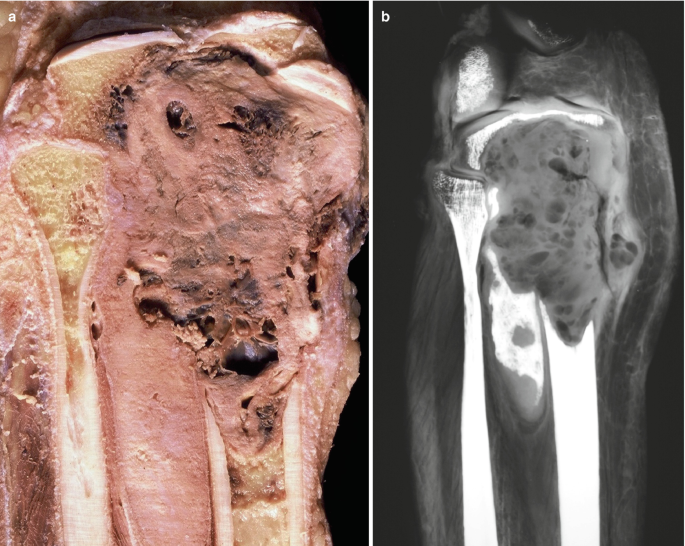
Fibrosarcoma is a rare malignant tumor that arises from fibroblasts, the cells that produce connective tissue. It can occur in soft tissues or bones, affecting both children (infantile/congenital type) and adults (typically in deep soft tissues of limbs or trunk).
症状
- Painless lump or mass
- Swelling in the affected area
- Pain or numbness if nerves are compressed
- Limited range of motion or functional impairment
病因与风险因素
- Radiation exposure (e.g., previous cancer treatment)
- Genetic syndromes (e.g., Li-Fraumeni syndrome)
- Scar tissue from burns or previous injury
- More common in adults aged 30–60, but congenital form seen in infants
诊断方法
- Physical exam and imaging (MRI, CT scan)
- Core needle or surgical biopsy
- Histopathology to distinguish from other soft tissue sarcomas
- Chest imaging to evaluate for metastasis (especially lungs)
治疗方案
- Wide surgical excision (main treatment approach)
- Radiation therapy (often post-op to reduce recurrence)
- Chemotherapy (limited efficacy, used for high-grade or metastatic cases)
- Targeted or immunotherapy (under investigation in clinical trials)
预后情况
- Depends on tumor size, grade, location, and resectability
- Low-grade fibrosarcomas have better prognosis
- 5-year survival rate varies from 50% to 80% for localized disease
与此类癌症共处
- Functional rehab and physical therapy
- Psychosocial support for chronic illness and recovery
- Long-term surveillance for recurrence or lung metastases
预防与筛查
- No known prevention
- Genetic counseling for hereditary cancer syndromes
- Close monitoring of previously irradiated areas
FAQs
Q: Is fibrosarcoma the same in children and adults?
A: No. Infantile/congenital fibrosarcoma has a better prognosis and different treatment response.
Q: Can it come back after surgery?
A: Yes, local recurrence is possible. Regular follow-up is essential.
Q: Does it spread?
A: Yes, often to the lungs. Imaging is required during staging and follow-up.
相关资源
- Sarcoma Foundation of America
- American Cancer Society
- ClinicalTrials.gov