Colorectal cancer remains one of the most common malignancies worldwide and a leading cause of cancer-related mortality. While advances in targeted therapies have improved outcomes for some patients, treatment resistance and limited options for specific genetic subtypes continue to pose major challenges.
Recent research has identified a novel drug combination designed to target colorectal cancers with specific DNA repair-related mutations, offering a potential new strategy for patients with limited treatment options.
One of the major challenges in cancer treatment is not only selecting effective drugs, but ensuring that these drugs can adequately penetrate tumour tissue. Even when potent therapies are available, limited drug distribution within solid tumours may reduce treatment effectiveness.
Recent research has introduced a novel nanoparticle-based delivery system designed to improve how cancer drugs penetrate tumours, potentially enhancing therapeutic outcomes.
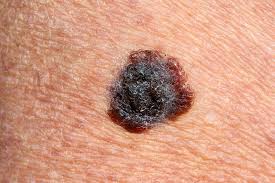
Metastatic melanoma represents one of the most aggressive forms of skin cancer, particularly when it spreads beyond the primary site. Although advances in immunotherapy and targeted therapies have improved outcomes, many patients still experience limited response or disease progression.
Recent research has explored a novel radioactive drug using targeted alpha therapy (TAT), offering a potential new strategy to selectively destroy melanoma cells while minimising damage to surrounding healthy tissues.
Triple-negative breast cancer (TNBC) remains one of the most aggressive subtypes of breast cancer, with limited targeted treatment options. While PARP inhibitors (PARPi) have shown clinical benefit in selected patients, resistance—either intrinsic or acquired—remains a major challenge.
Recent research suggests that targeting the oncogene MYC using a novel inhibitor known as Omomyc may enhance the effectiveness of PARP inhibitors, offering a potential new therapeutic strategy.
Advances in artificial intelligence (AI) are increasingly transforming drug discovery, particularly in oncology. A recent study highlights how generative AI can be used to design a dual-action cancer drug targeting PKMYT1, a key regulator of the cell cycle.
This approach represents a shift toward more precise, mechanism-driven therapies that aim to exploit specific vulnerabilities in cancer cells.
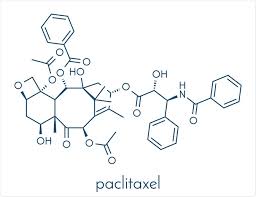
Paclitaxel is a widely used chemotherapeutic agent indicated in multiple malignancies, including breast, ovarian, lung, and pancreatic cancers. It exerts its anticancer effects by stabilising microtubules, thereby disrupting mitosis and inhibiting cancer cell proliferation.