
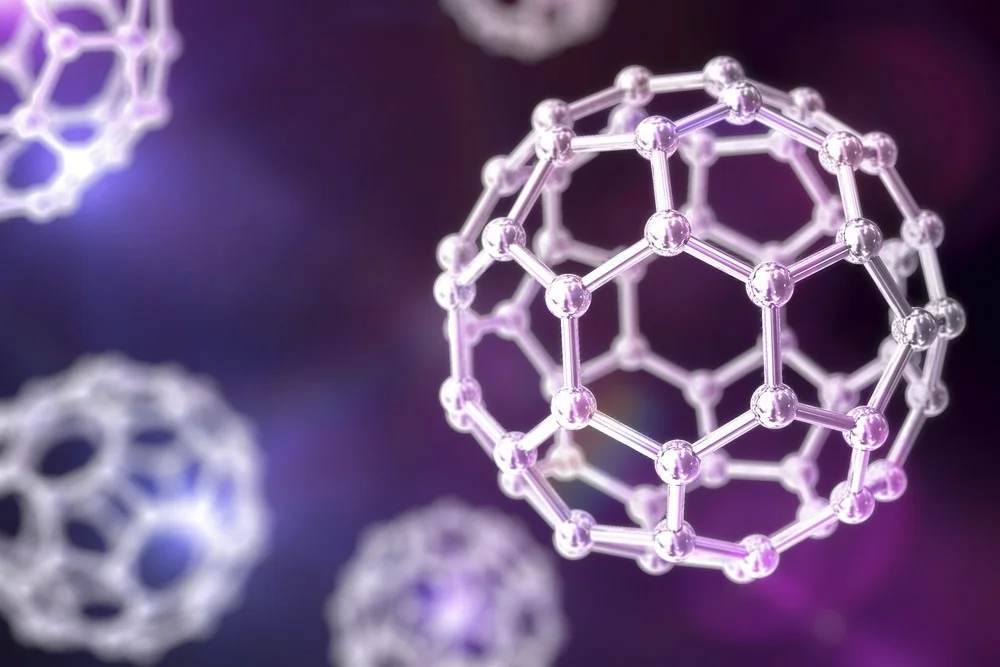
One of the major challenges in cancer treatment is not only selecting effective drugs, but ensuring that these drugs can adequately penetrate tumour tissue. Even when potent therapies are available, limited drug distribution within solid tumours may reduce treatment effectiveness.
Recent research has introduced a novel nanoparticle-based delivery system designed to improve how cancer drugs penetrate tumours, potentially enhancing therapeutic outcomes.
Solid tumours present multiple physical and biological barriers that limit drug delivery:
Conventional nanomedicine approaches often improve drug delivery to the tumour site, but may still struggle with deep tumour penetration.
Nanoparticles have been widely explored as drug delivery systems due to their unique properties:
These systems may help increase drug concentration at tumour sites while reducing exposure to healthy tissues.
Researchers have developed an advanced nanoparticle system designed to overcome the limitations of traditional nanocarriers.
This is significant because many conventional nanoparticles cannot efficiently move beyond blood vessels into deeper tumour regions.
The effectiveness of cancer treatment varies among each patient.
The newly designed nanoparticles incorporate features that enhance their movement and distribution within tumours:
Research has shown that modifying nanoparticle characteristics—such as surface charge—can significantly influence their ability to penetrate tumours and increase drug bioavailability.
The novel nanoparticle system demonstrated enhanced ability to penetrate tumour tissue compared to conventional delivery systems.
The system enabled more even distribution of the therapeutic agent within the tumour, potentially addressing one of the major causes of treatment resistance.
By improving drug penetration, the approach may enhance overall therapeutic efficacy and reduce the likelihood of untreated tumour regions.
This research reflects a broader shift toward precision drug delivery in oncology.
Improving drug penetration may help:
Nanotechnology is increasingly recognised as a key tool in overcoming biological barriers in cancer treatment.
While promising, this approach is not yet part of standard clinical practice.
The development of a novel nanoparticle system to enhance tumour penetration represents a significant advancement in cancer drug delivery.
By improving how drugs move within tumours—not just how they reach them—this strategy may help unlock the full potential of existing cancer therapies and contribute to more effective treatment outcomes.
Precision medicine provides patients with clearer and more personalized treatment guidelines


Learn how precision medicine can help with your cancer treatment

The effectiveness of cancer treatment varies among each patient.