癌症患者营养补充信息

基于循证资料整理的补充剂相关信息,可作为支持癌症护理与恢复过程中的参考


了解癌症护理中的营养补充剂

均衡饮食对于癌症患者非常重要,而某些营养补充剂在护理过程中也可能提供额外支持。以下为基于循证资料整理的重点补充剂指南,包括其潜在作用与使用时需要注意的事项。

重要注意事项

咨询您的医疗团队

在开始任何新的补充方案前,请务必先与肿瘤科医生或注册营养师讨论。部分补充剂可能与化疗、放疗或其他药物产生相互作用。

以天然食物为基础

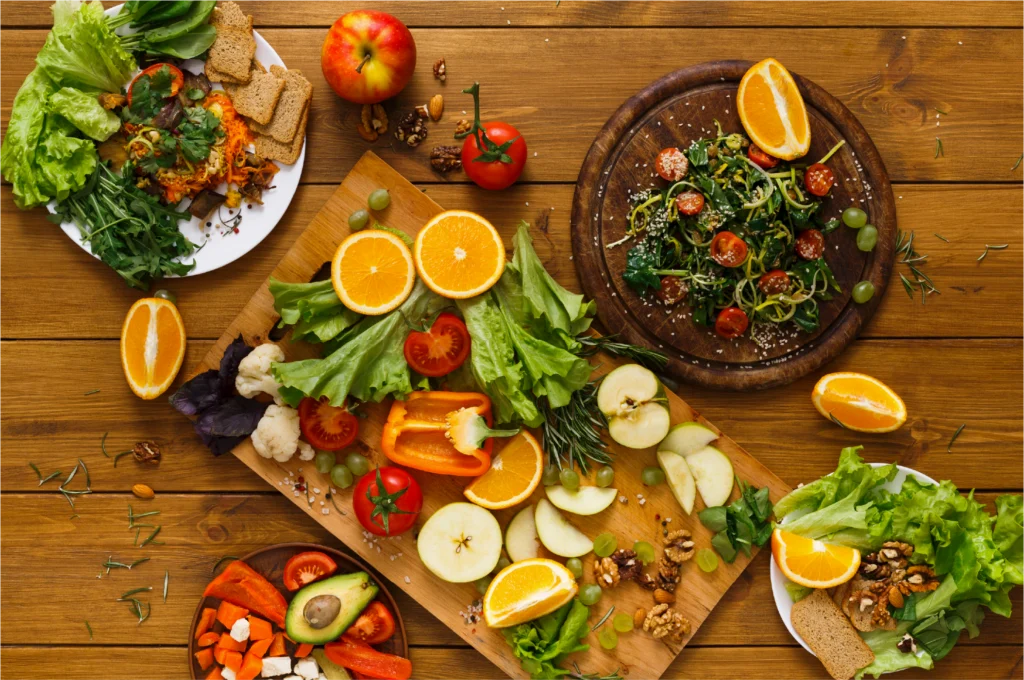
补充剂应作为营养饮食的辅助,而非替代。建议以水果、蔬菜、优质蛋白质及健康脂肪等天然食物作为日常营养基础。

重视产品质量

并非所有补充剂都具有相同品质。建议选择经过第三方检测、具纯度与质量认证的品牌。可参考下方指南了解如何挑选合适的补充剂品牌。

重点营养补充剂

探索基于循证资料整理的补充剂信息,可作为支持癌症护理、恢复过程及整体健康状态的参考。

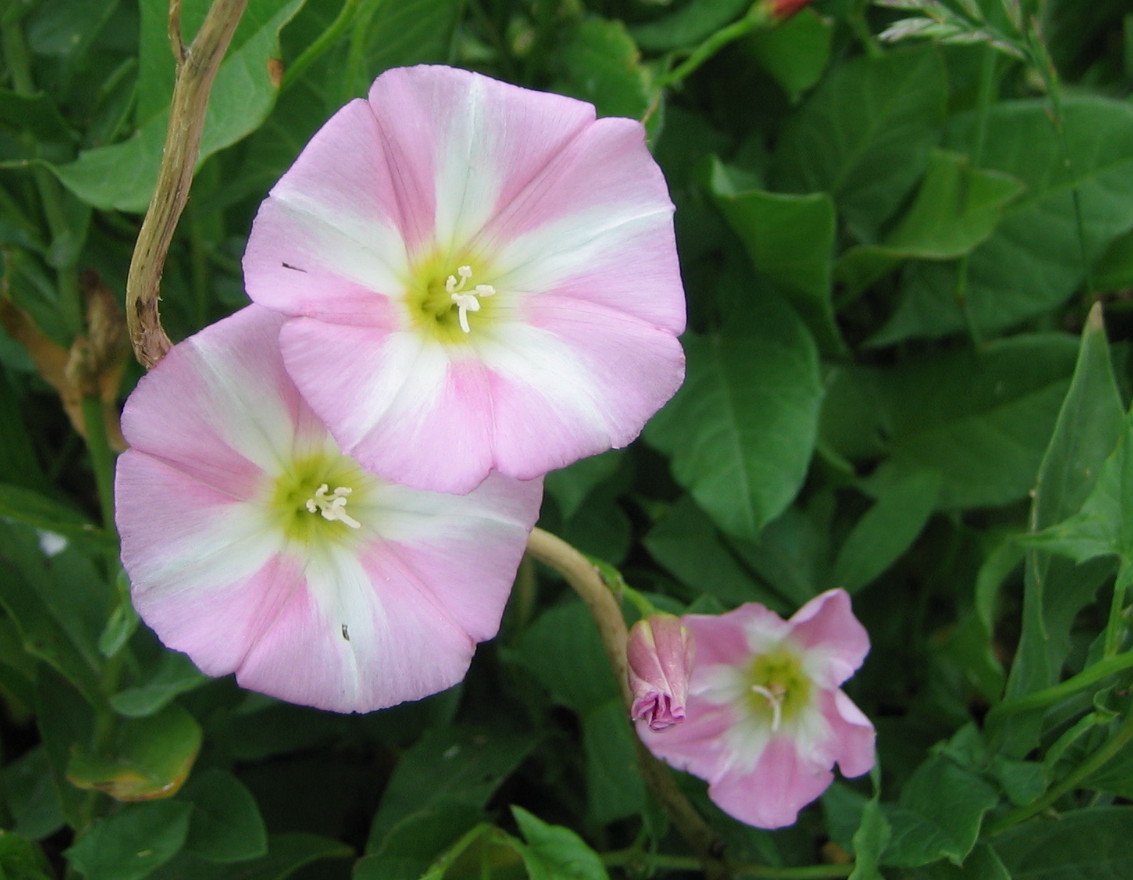
VascuStatin is a specialized botanical supplement derived from the leaves of the field bindweed plant (Convolvulus arvensis). It contains a naturally occurring proteoglycan mixture (PGM)—a group of bioactive compounds known for their ability to modulate angiogenesis (blood vessel formation) and support immune and vascular health.

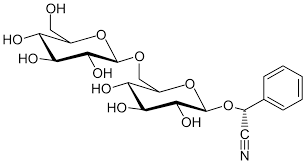
Salvestrol is a group of naturally occurring plant-derived compounds found in certain fruits, vegetables, and herbs. These compounds belong to the broad class of phytonutrients known for their cell-protective and detoxifying properties. Salvestrols are produced by plants as part of their natural defense system against pathogens, and in the human body, they play a unique role in supporting cellular integrity, immune surveillance, and detoxification.

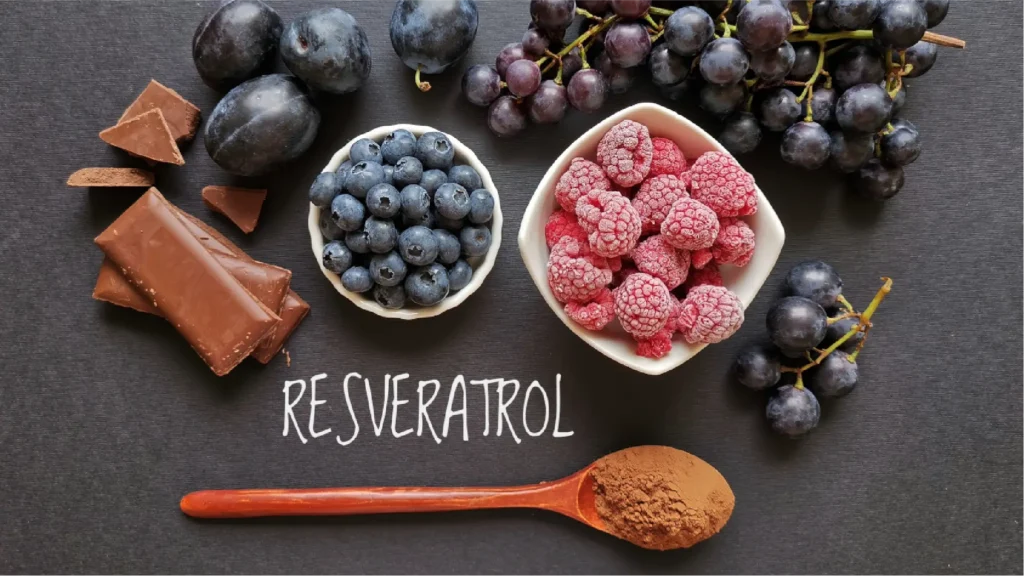
Resveratrol is a naturally occurring polyphenolic compound belonging to the stilbene family, found in plants such as red grapes, Japanese knotweed (Polygonum cuspidatum), blueberries, and peanuts. It is best known as the key active ingredient in red wine that contributes to the “French Paradox”—the observation of low cardiovascular disease rates despite diets rich in fats.

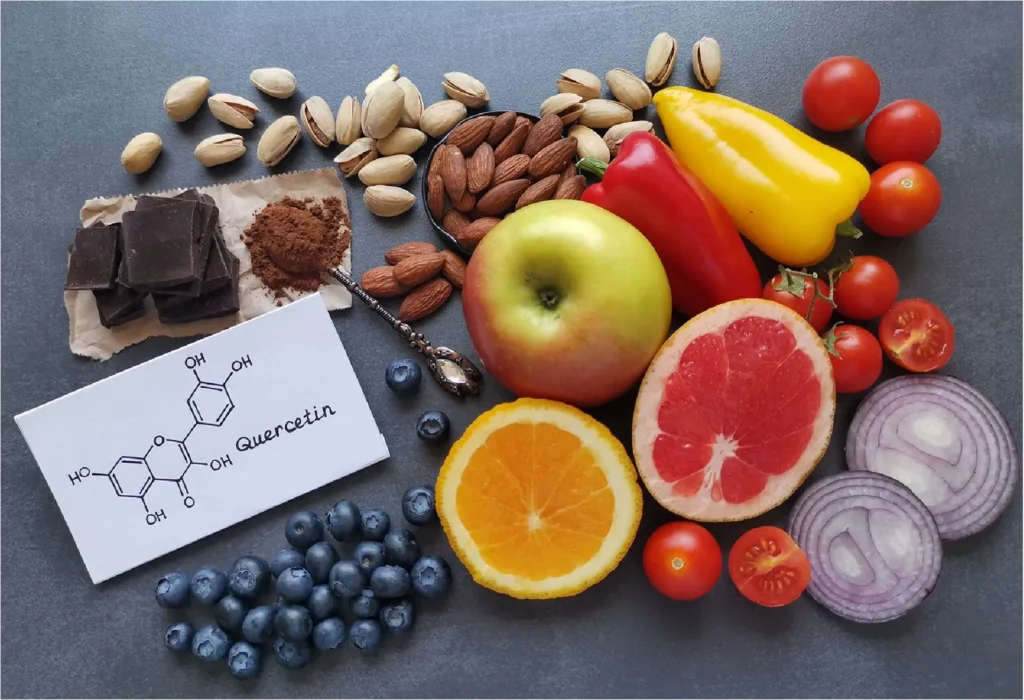
Quercetin is a naturally occurring flavonoid found in many fruits, vegetables, and herbs—especially onions, apples, capers, berries, and citrus. As one of the most researched plant antioxidants, pure quercetin is celebrated for its anti-inflammatory, antiviral, immune-modulating, and vascular-protective effects.

Paw Paw is a natural botanical extract derived from the twigs and bark of the North American Paw Paw tree (Asimina triloba), a member of the custard apple family (Annonaceae). Unlike the tropical papaya (often called pawpaw in other regions), this North American species contains unique acetogenins—bioactive compounds with potent effects on cellular metabolism, energy regulation, and abnormal cell growth control.

Naltrexone is a synthetic opioid receptor modulator originally developed to treat opioid and alcohol dependence. In low doses—known as Low-Dose Naltrexone (LDN)—it has gained significant recognition in integrative, functional, and autoimmune medicine for its unique ability to modulate the immune system, reduce inflammation, and promote endorphin balance.

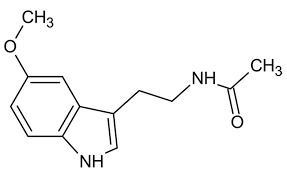
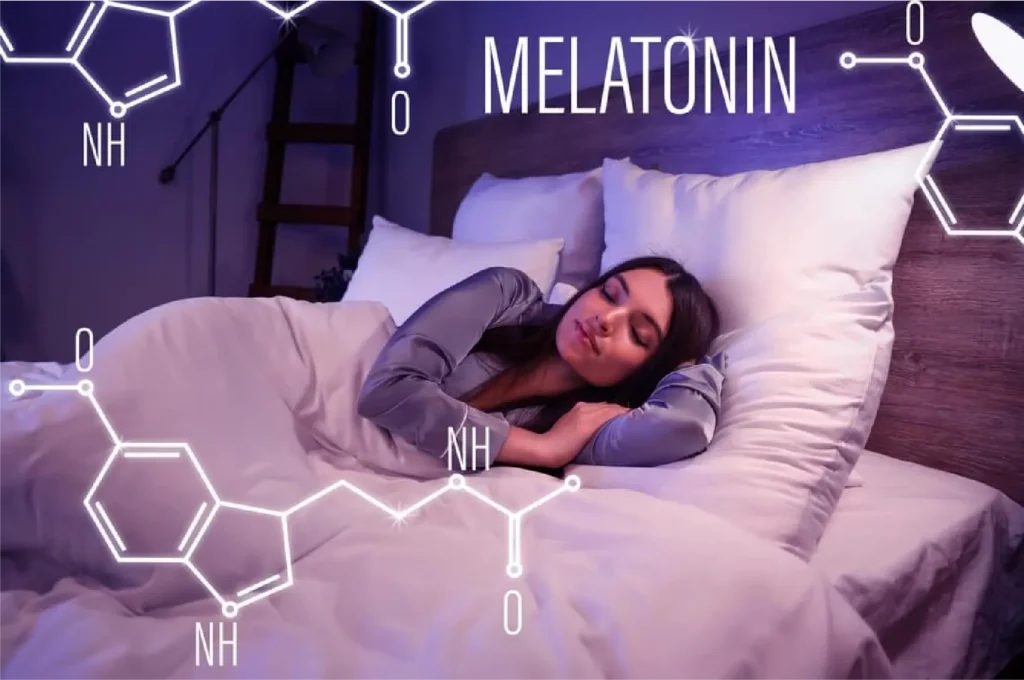
Melatonin is a naturally occurring neurohormone produced primarily by the pineal gland in the brain. It plays a central role in regulating the sleep–wake cycle (circadian rhythm) and functions as a powerful antioxidant, immune modulator, and cellular protector.

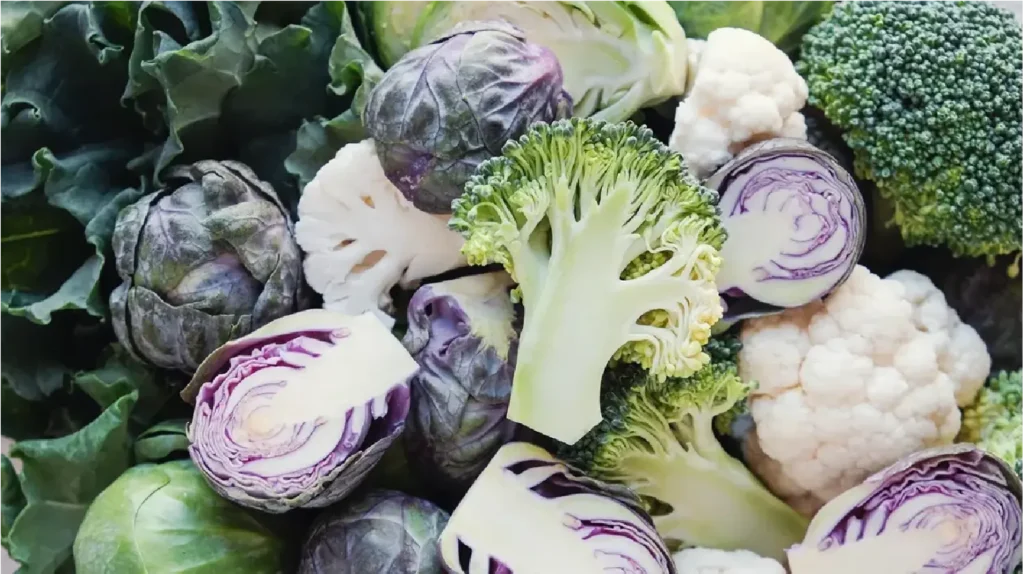
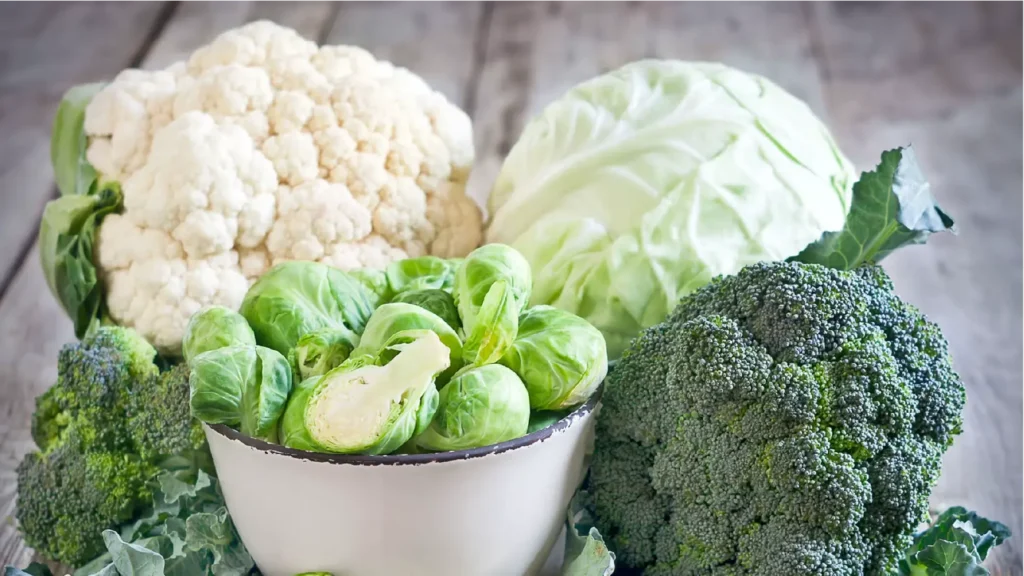
Indole-3-Carbinol (I3C) is a naturally occurring phytochemical derived from the breakdown of glucosinolates—specifically glucobrassicin—found in cruciferous vegetables such as broccoli, cabbage, Brussels sprouts, kale, and cauliflower. It is a key compound responsible for many of the detoxification, hormonal balance, and cellular protection benefits attributed to these vegetables.

MITOlipocurmin® is an advanced liposomal curcumin complex formulated for enhanced mitochondrial delivery, cellular absorption, and bioavailability. It represents a next-generation evolution of curcumin supplementation—engineered to overcome curcumin’s natural limitations in solubility and absorption.

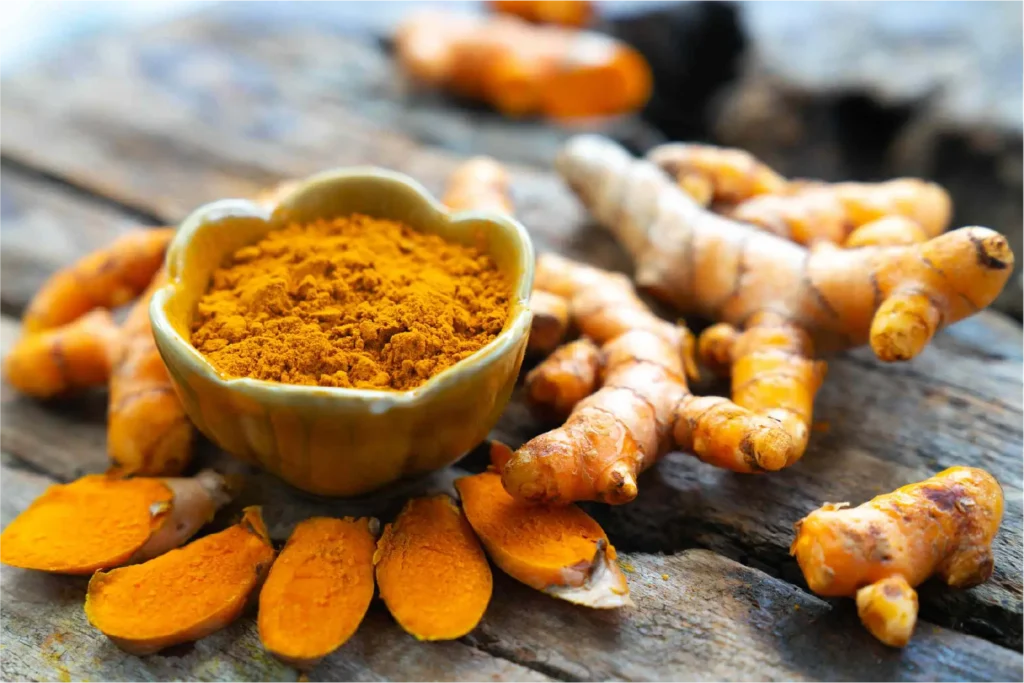
Curcumin is the principal bioactive compound found in turmeric (Curcuma longa), a golden-yellow spice long revered in Ayurvedic and traditional Chinese medicine for its healing, anti-inflammatory, and detoxifying properties.

Coenzyme Q10 (CoQ10), also known as ubiquinone or in its reduced form ubiquinol, is a vitamin-like compoundnaturally produced in every cell of the body. It plays a central role in mitochondrial energy production and serves as a powerful antioxidant, protecting cells from oxidative stress.

Citrus Pectin—particularly in its modified form known as Modified Citrus Pectin (MCP)—is a complex polysaccharide derived from the peel and pulp of citrus fruits such as oranges, lemons, and grapefruits. Naturally present in plant cell walls, pectin is a soluble fiber that, when enzymatically modified, becomes small enough to be absorbed into the bloodstream, where it exerts detoxifying, immune-supportive, and cellular-protective effects.

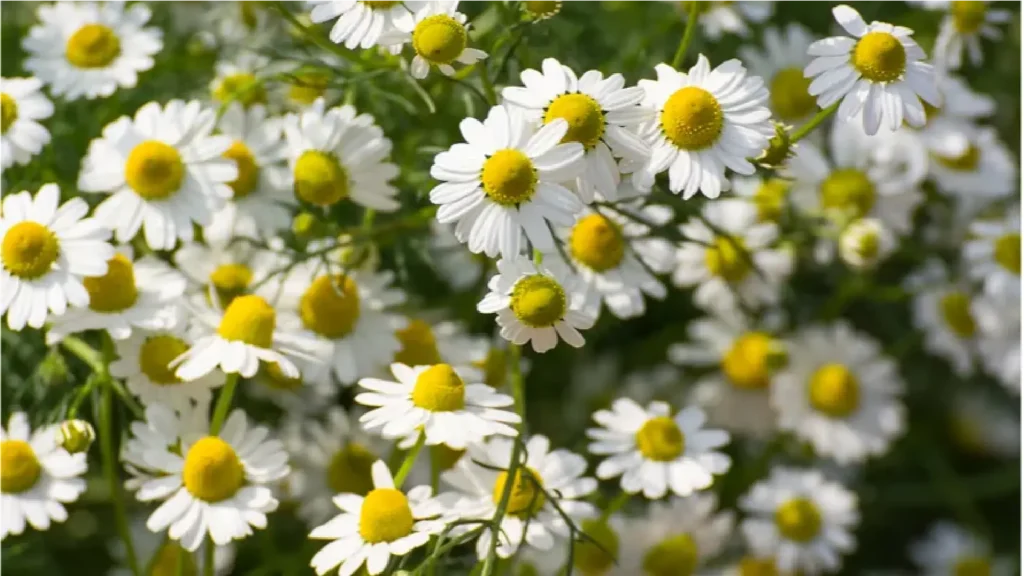
Apigenin is a naturally occurring bioflavonoid found abundantly in plants such as chamomile, parsley, celery, thyme, and oranges. It is part of the flavone subclass of polyphenols—known for their powerful antioxidant, anti-inflammatory, and cellular-regulating effects.

Angiostop is a natural anti-angiogenic and immune-supportive botanical extract derived from Ecklonia cava, a species of brown seaweed native to the pristine coastal waters of Korea and Japan. It is standardized for its active compounds—phlorotannins, dieckol, and eckol derivatives—which exhibit powerful anti-angiogenic, anti-inflammatory, and antioxidant properties.

Sodium Bicarbonate (NaHCO₃)—commonly known as baking soda—is a naturally occurring alkaline mineral compound with wide-ranging biological, medical, and environmental applications. Within the body, it serves as a key component of the bicarbonate buffer system, helping to maintain pH balance, regulate acid–base equilibrium, and support cellular metabolism.

Use low-dose radiation to create images of the inside of the body.

A flavonoid antioxidant found in apples, onions, and berries, with anti-inflammatory and anti-cancer properties.

The active compound in turmeric, known for its anti-inflammatory and anti-cancer properties.

A polyphenol found in grapes and red wine, with antioxidant and potential anti-cancer effects.

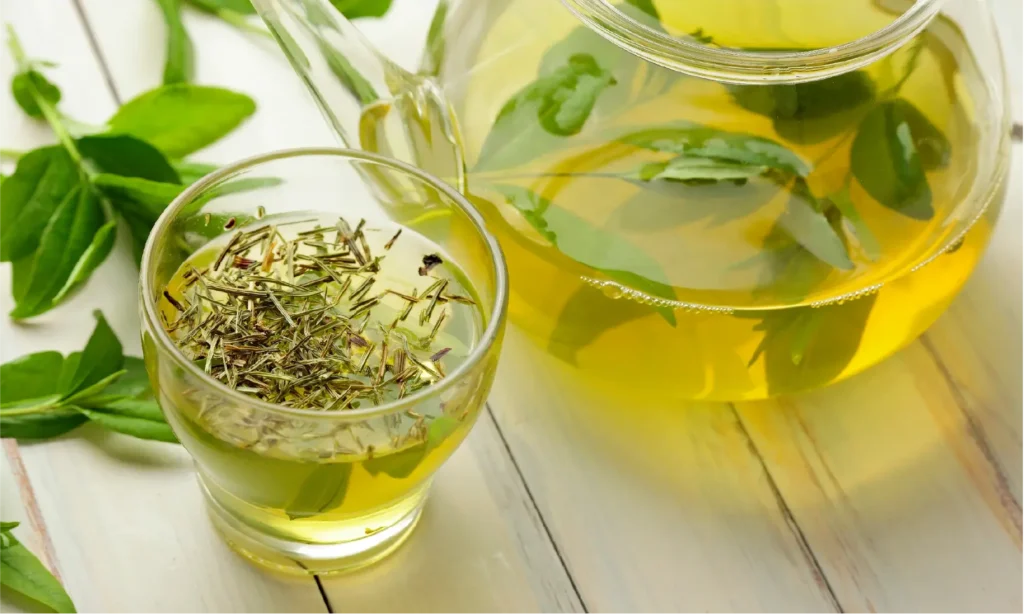
A powerful antioxidant from green tea, shown to inhibit cancer cell growth and angiogenesis.

A compound found in broccoli sprouts, known for its detoxification and anti-cancer properties.

A compound found in cruciferous vegetables, which may help regulate hormone metabolism.

A metabolite of indole-3-carbinol, which may help balance hormones and support detoxification.

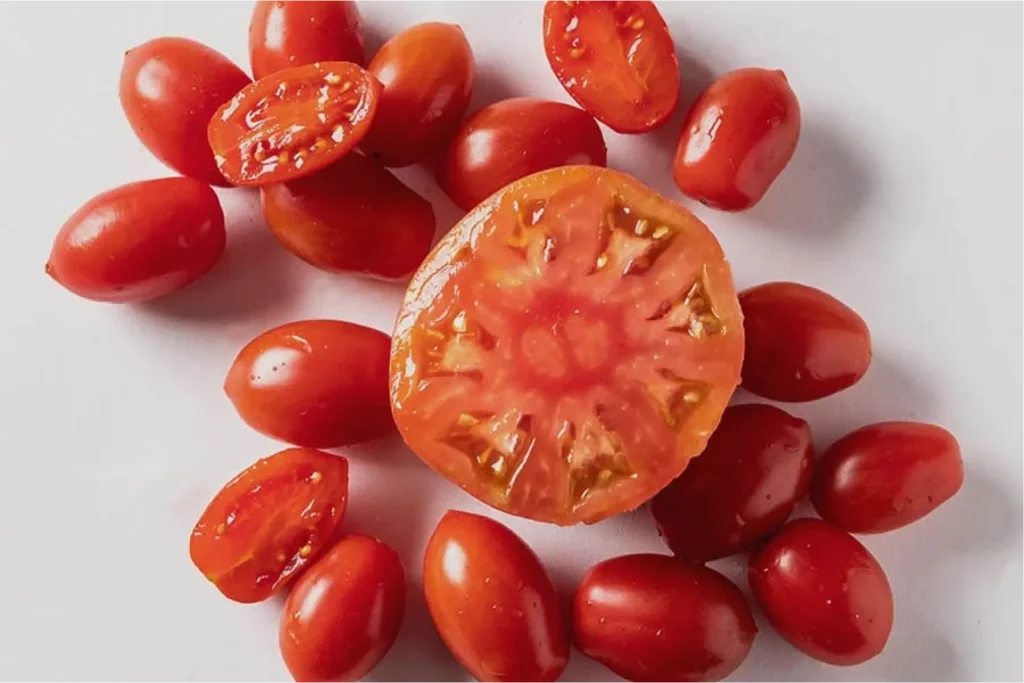
A powerful antioxidant found in tomatoes and other red fruits, with potential anti-cancer effects.

A flavonoid found in celery, parsley, and chamomile, with anti-inflammatory and anti-cancer properties.

A flavonoid found in chamomile tea and vegetables, with potential anti-cancer and anti-inflammatory effects.

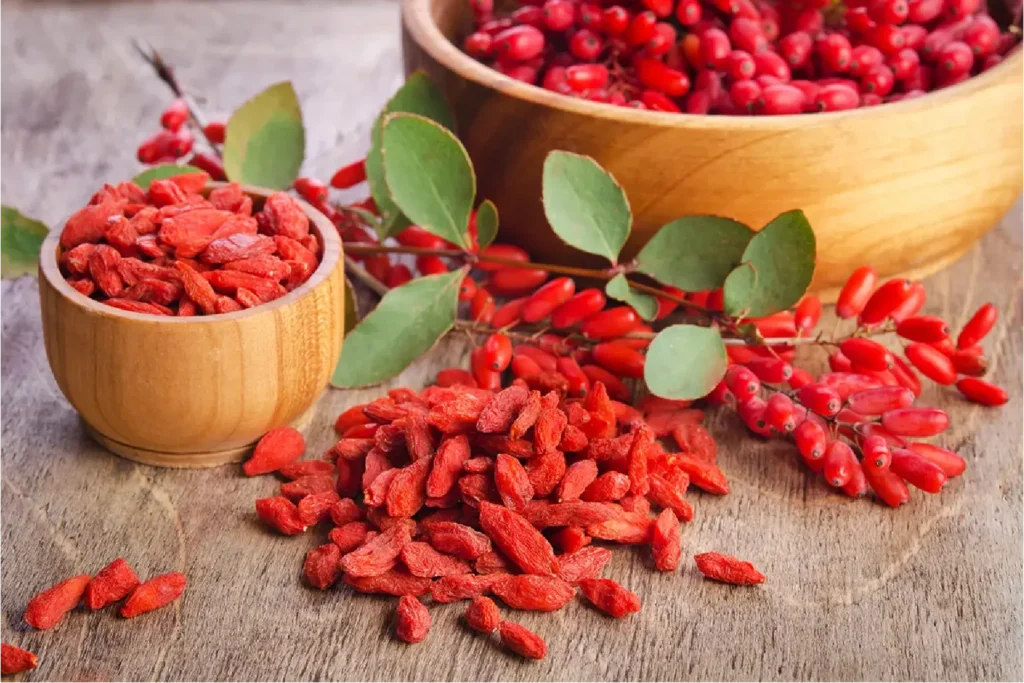
A compound found in goldenseal and barberry, with anti-cancer, anti-inflammatory, and metabolic benefits.

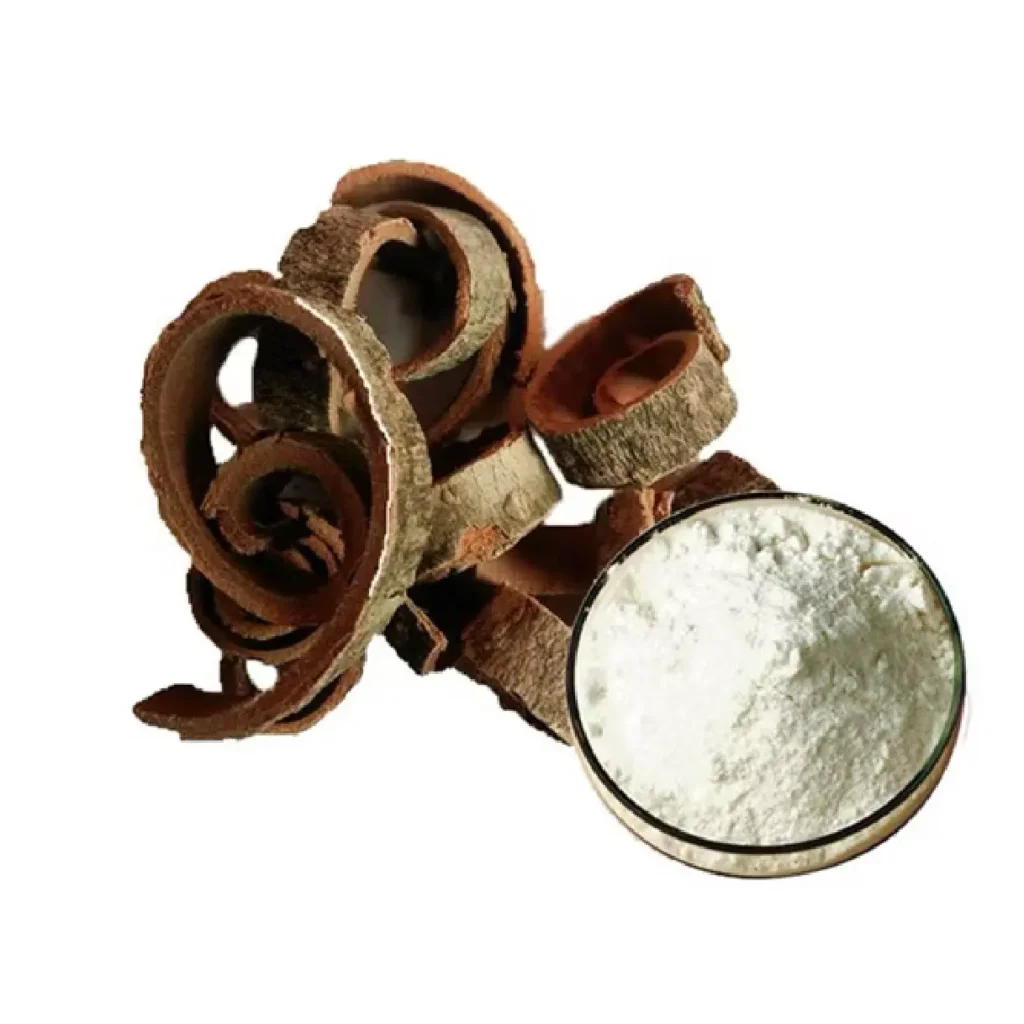
A compound found in magnolia bark, with anti-inflammatory, anti-angiogenic, and anti-cancer properties.

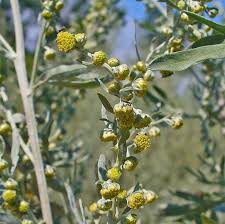
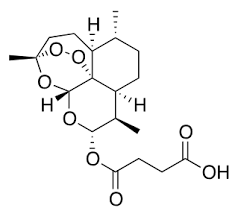
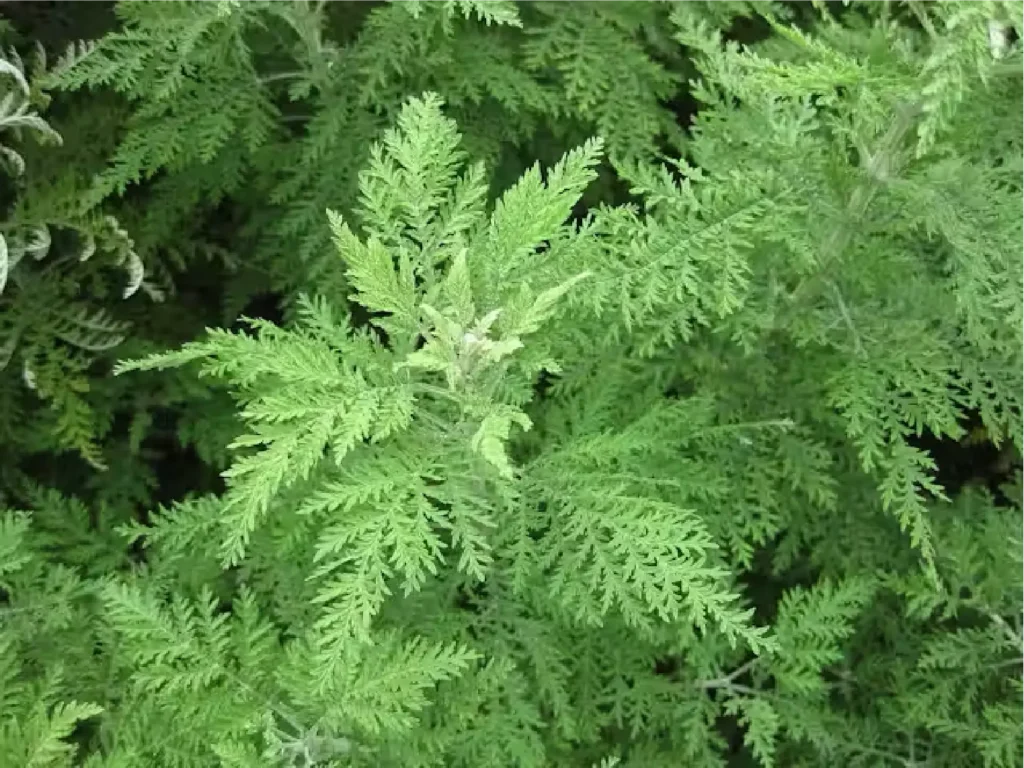
A compound derived from sweet wormwood, with potential anti-cancer properties targeting iron-rich cancer cells.

A hormone regulating sleep-wake cycles, with potential anti-cancer and immune-supportive properties.

如何选择优质补充剂品牌

并非所有补充剂都具有相同标准。以下是选择高品质产品时可参考的重点。

科学研究依据

选择具有临床研究支持的补充剂,尤其是针对癌症细胞研究或特定患者群体的相关资料。

第三方检测

优先考虑经过独立机构检测纯度、含量与污染物的品牌(例如 NSF、USP、ConsumerLab 等)。

优质成分

选择含有高品质、高生物利用率成分,并尽量减少填充剂、添加物或人工色素的产品。

今天就开始您的学习之旅

通过了解精准代谢肿瘤学相关知识,让自己更有力量,并在癌症护理过程中发挥更主动的参与作用。