概述
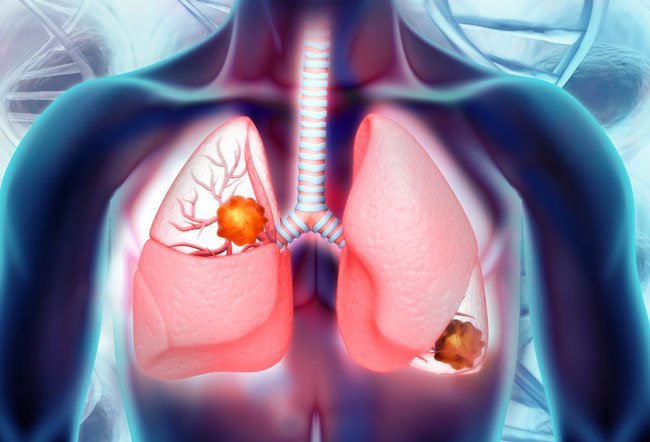
Carcinoid tumors are a type of neuroendocrine tumor (NET) that arise from hormone-producing cells in the gastrointestinal (GI) tract or lungs. They are usually slow-growing, but may still spread and cause hormonal syndromes.
症状
- Abdominal pain or cramping
- Flushing, diarrhea (carcinoid syndrome)
- Wheezing or cough (if in lungs)
- Intestinal obstruction (advanced GI tumors)
- Weight loss or fatigue
病因与风险因素
- Unknown in most cases
- Genetic syndromes (e.g., MEN1)
- More common in adults aged 50–70
- Smoking (for lung carcinoids)
诊断方法
- Blood/urine tests (e.g., serotonin, 5-HIAA)
- Imaging (CT, MRI, octreotide scan, PET-Ga68)
- Endoscopy or bronchoscopy with biopsy
- Histopathology and Ki-67 grading
治疗方案
- Surgical resection (curative in localized disease)
- Somatostatin analogs (e.g., octreotide, lanreotide for hormone control)
- Targeted therapy (e.g., everolimus)
- Peptide receptor radionuclide therapy (PRRT)
- Chemotherapy (for high-grade or poorly differentiated tumors)
预后情况
- Slow-growing NETs: good long-term survival
- Carcinoid syndrome indicates liver metastasis in many cases
- 5-year survival:
- Localized: ~90%
- Metastatic: ~35–60% depending on grade
与此类癌症共处
- Long-term hormone monitoring
- Diet adjustments to control symptoms
- Emotional support for chronic illness
- Monitoring for carcinoid heart disease
预防与筛查
- No routine screening
- Genetic counseling for familial syndromes
- Smoking cessation (for lung NETs)
FAQs
Q: Are carcinoid tumors cancerous?
A: Yes, they are neuroendocrine cancers that can metastasize.
Q: Is carcinoid syndrome common?
A: Only occurs in metastatic or hormone-secreting tumors.
Q: Can I live long with carcinoid tumors?
A: Many patients live for years, especially with slow-growing disease.
相关资源
- Neuroendocrine Tumor Research Foundation (NETRF)
- American Cancer Society
- ClinicalTrials.gov