概述
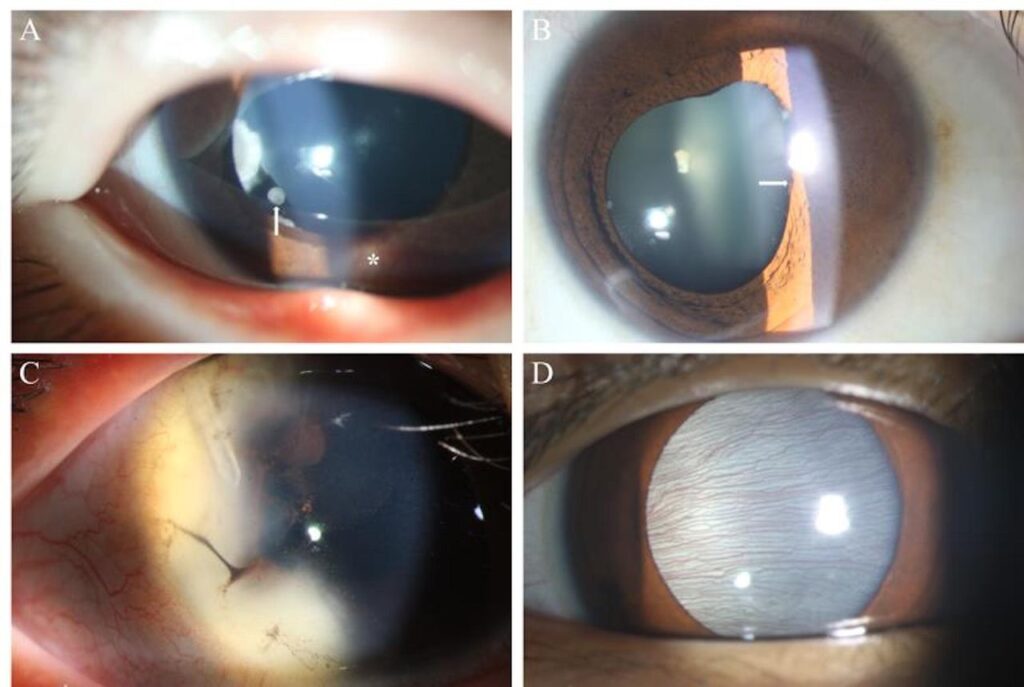
Medulloepithelioma is a very rare, embryonal intraocular tumor that arises from the non-pigmented ciliary epithelium of the eye. It primarily affects young children, typically under the age of 10. It can be benign or malignant and may lead to vision loss or eye removal if not diagnosed early.
症状
- Decreased vision or blurred vision
- Eye redness or inflammation
- Pain or photophobia
- Visible mass in anterior segment (occasionally)
- Secondary glaucoma or cataract
病因与风险因素
- Sporadic, non-hereditary tumor
- Believed to arise during fetal eye development
- Typically presents in early childhood
诊断方法
- Slit-lamp examination and indirect ophthalmoscopy
- Ultrasound biomicroscopy (UBM) and B-scan ultrasound
- MRI to evaluate intraocular and orbital extension
- Histopathology after biopsy or enucleation
治疗方案
- Enucleation (complete removal of the eye) for malignant or extensive tumors
- Local excision or partial lamellar sclerouvectomy for smaller, benign lesions
- Radiation therapy (rare, reserved for recurrent or inoperable cases)
预后情况
- Benign tumors have excellent prognosis post-surgery
- Malignant cases require close monitoring for local spread or recurrence
- Rarely metastasizes outside the eye
与此类癌症共处
- Vision rehabilitation or prosthesis fitting post-enucleation
- Psychological support for patient and family
- Regular monitoring of the remaining eye
- Genetic counseling not typically required
预防与筛查
- No known prevention
- Prompt evaluation of unexplained eye symptoms in children
- Early diagnosis improves outcomes and preserves vision
FAQs
A:It can be benign or malignant; early diagnosis determines the best outcome.
Q: Is this tumor inherited?
A:No, it is not associated with genetic syndromes.
Q: Will my child lose their eye?
A:Not always. In benign or localized cases, conservative surgery may preserve the eye.
相关资源
- American Association for Pediatric Ophthalmology and Strabismus (AAPOS)
- Eye Cancer Network
- ClinicalTrials.gov