概述
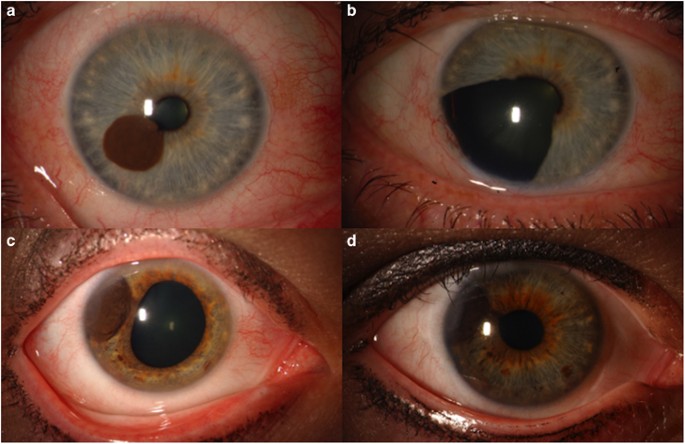
Intraocular melanoma is the most common primary eye cancer in adults, originating from melanocytes in the uveal tract (iris, ciliary body, or choroid). It is distinct from skin melanoma but shares similar cellular origins.
症状
- Blurred or distorted vision
- A dark spot on the iris
- Flashes or floaters in vision
- Change in pupil shape
- Visual field loss or eye pain (less common)
病因与风险因素
- Fair skin and light eye color
- Older age (typically 50–70)
- UV light exposure (potential but not confirmed link)
- Genetic mutations (GNAQ, GNA11, BAP1)
- Family history (rare)
诊断方法
- Comprehensive eye exam and fundoscopy
- Ultrasound of the eye (B-scan)
- Fluorescein angiography
- Optical coherence tomography (OCT)
- Biopsy (rarely needed unless uncertain)
治疗方案
- Radiation therapy (plaque brachytherapy or proton beam)
- Surgical removal of the tumor or eye (enucleation)
- Laser therapy (in small tumors)
- Systemic therapy (for metastatic cases, usually to liver)
预后情况
- Depends on tumor size, location, and genetic markers
- Local control is high with treatment
- Risk of metastasis (especially to liver) in up to 50% of cases
- Long-term follow-up required
与此类癌症共处
- Vision monitoring and visual aids
- Psychological support for vision loss or enucleation
- Regular liver imaging to monitor for metastasis
- Genetic counseling in high-risk families
预防与筛查
- No proven prevention
- Routine eye exams, especially for light-eyed individuals over 50
- Early detection key to preserving vision and improving survival
FAQs
Q: Is eye melanoma the same as skin melanoma?
A:No. They share similar cell origins but behave differently and arise in different tissues.
Q: Can it spread to other parts of the body?
A:Yes. The liver is the most common site of metastasis.
Q: Will I lose my vision or eye?
A:Not always. Many cases are treated with radiation to preserve the eye, depending on tumor size.
相关资源
- Ocular Melanoma Foundation
- American Academy of Ophthalmology
- ClinicalTrials.gov