概述
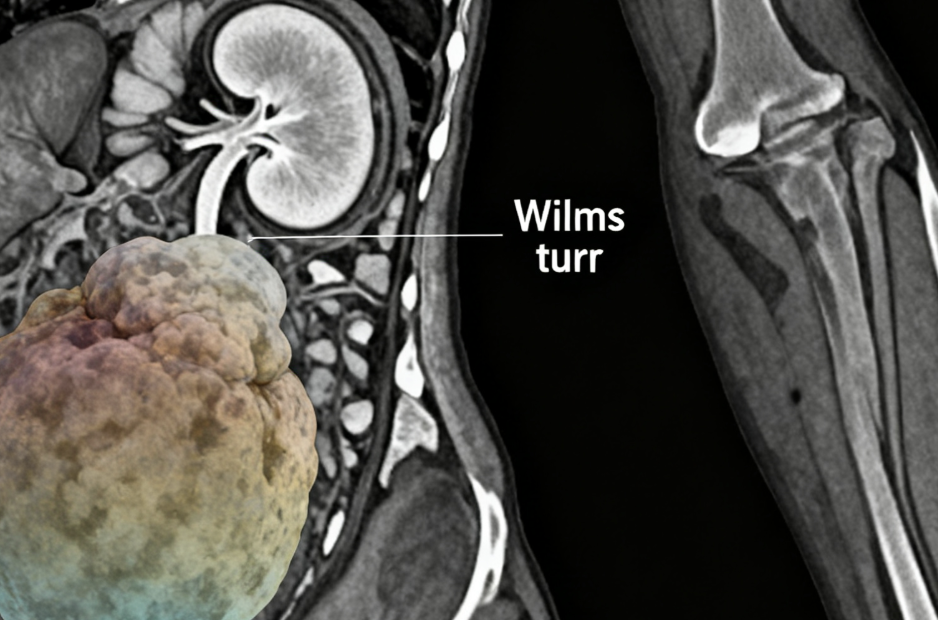
Wilms Tumor, also known as Nephroblastoma, is the most common kidney cancer in children, typically diagnosed between ages 2 and 5.
It arises from embryonic renal precursor cells (metanephric blastema) that fail to mature properly during kidney development.
Wilms Tumor is often unilateral, but in 5–10% of cases it affects both kidneys (bilateral or multifocal).
Genetic mutations involving WT1, WT2, or related chromosomal regions (11p13, 11p15) play a key role.
It is a highly treatable and curable pediatric cancer with modern multimodal therapy (surgery, chemotherapy, ± radiation).
症状
- Abdominal swelling or a painless abdominal mass (most common sign)
- Abdominal pain or discomfort
- Blood in urine (hematuria)
- Fever, nausea, or loss of appetite
- High blood pressure (hypertension) due to renin secretion
- Fatigue, pallor (anemia-related)
- Occasionally discovered incidentally during imaging
病因与风险因素
- Genetic mutations: WT1 or WT2 gene abnormalities on chromosome 11
- Sporadic cases (~90%) occur without family history
- Inherited syndromes increase risk:
- WAGR syndrome (Wilms tumor, Aniridia, Genitourinary anomalies, intellectual disability)
- Denys-Drash syndrome (renal failure, gonadal dysgenesis)
- Beckwith-Wiedemann syndrome (overgrowth, hemihypertrophy, macroglossia)
- Slightly more common in African ancestry and females
诊断方法
- Physical exam: Palpable, firm, non-tender abdominal mass in a child
- Imaging:
- Ultrasound – initial evaluation
- CT/MRI abdomen and pelvis – defines tumor size, renal origin, and vascular invasion
- Chest CT – to assess for lung metastases
- Histopathology: Triphasic pattern (blastemal, epithelial, and stromal components)
- Genetic testing: WT1, WT2, and other relevant mutations for risk stratification
- Staging: Based on National Wilms Tumor Study (NWTS) / Children’s Oncology Group (COG) criteria
治疗方案
- Surgery: Radical nephrectomy (or partial nephrectomy in bilateral cases) is the cornerstone
- Chemotherapy:
- Standard regimens (vincristine, dactinomycin, doxorubicin) given pre- or post-surgery
- More intensive therapy for anaplastic or metastatic disease
- Radiation therapy: For stage III–V disease or pulmonary metastases
- Targeted therapy / Clinical trials: Investigating WT1-directed or IGF2-targeted approaches
- Multidisciplinary management: Pediatric oncology, surgery, nephrology, and genetics
预后情况
- Overall survival: >90% in localized disease with standard therapy
- Favorable histology: Excellent prognosis (5-year survival >95%)
- Anaplastic histology: Poorer outcomes, requires intensive therapy
- Bilateral or recurrent cases: Require organ-preserving approaches and prolonged follow-up
- Long-term monitoring: For recurrence, renal function, and late effects of chemo/radiation
与此类癌症共处
- Regular follow-up: Imaging and urine tests for recurrence
- Renal function monitoring: Especially after nephrectomy or chemotherapy
- Supportive care: Nutrition, growth monitoring, psychosocial support
- Fertility counseling: For older children and survivors
- Family education: Early recognition of relapse or hypertension
- Access to survivorship clinics for long-term care
预防与筛查
- No known prevention for sporadic cases
- Genetic counseling and surveillance for high-risk syndromes (WAGR, Beckwith-Wiedemann, Denys-Drash)
- Regular abdominal ultrasound every 3–4 months until age 7–8
- Early medical evaluation for abdominal swelling in children
FAQs
Q: Is Wilms Tumor cancerous?
A: Yes, it is a malignant tumor of the kidney, but usually highly curable with modern treatment.
Q: Can Wilms Tumor occur in both kidneys?
A: Yes, about 5–10% of cases are bilateral, requiring kidney-sparing treatment approaches.
Q: What are the long-term side effects of treatment?
A: Potential late effects include reduced kidney function, heart effects (from doxorubicin), and risk of secondary malignancies, though these are rare with careful follow-up.
Q: Can Wilms Tumor come back after treatment?
A: Recurrence is uncommon but possible; regular imaging surveillance helps early detection and retreatment.
相关资源
- Children’s Oncology Group (COG) – childrensoncologygroup.org
- National Cancer Institute (NCI) – cancer.gov
- American Cancer Society (ACS) – cancer.org
- National Wilms Tumor Study Group (NWTSG) – nwtsg.org
- gov – Search “Wilms Tumor” or “Nephroblastoma”