概述
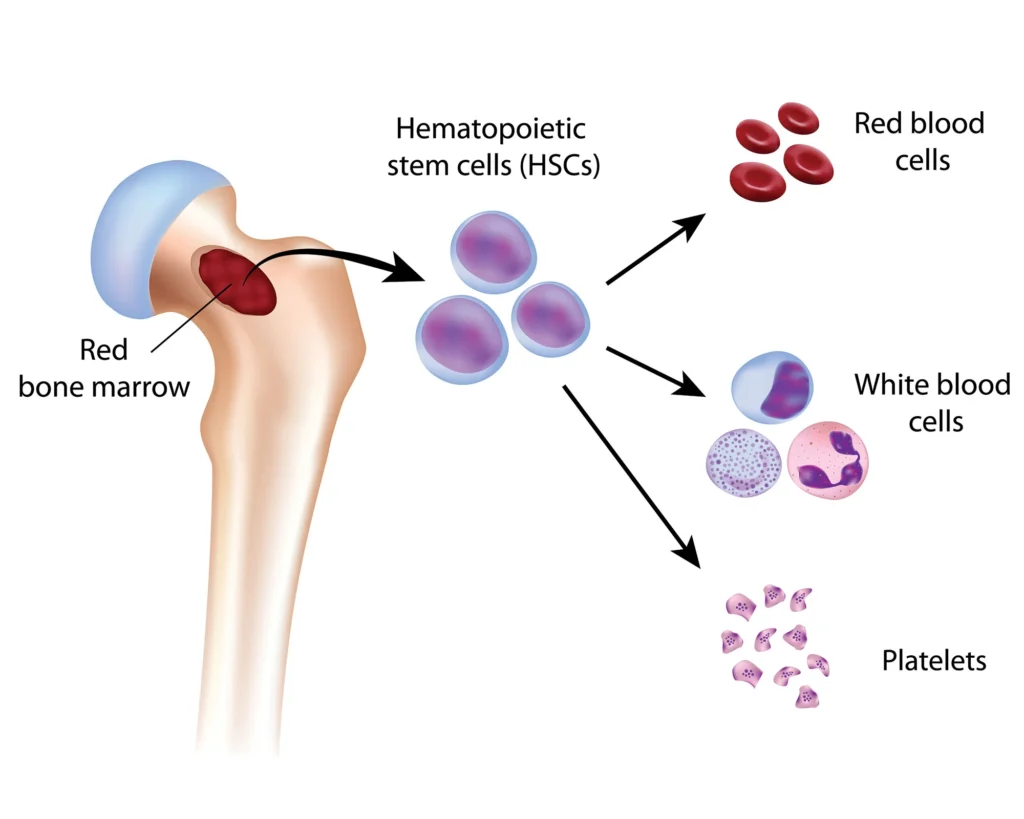
Myelodysplastic syndromes (MDS) are a group of blood disorders caused by poorly formed or dysfunctional blood cells in the bone marrow. MDS is considered a precancerous condition that may progress to acute myeloid leukemia (AML) in some patients. It is more common in older adults.
症状
- Fatigue or weakness (due to anemia)
- Shortness of breath
- Pale skin
- Easy bruising or bleeding
- Frequent infections
- Petechiae (tiny red spots under the skin)
病因与风险因素
- Aging (most common in people over 60)
- Previous chemotherapy or radiation
- Exposure to chemicals (e.g., benzene)
- Inherited bone marrow disorders
- Smoking
诊断方法
- Complete blood count (CBC) and peripheral smear
- Bone marrow biopsy and aspiration
- Cytogenetic testing (chromosomal analysis)
- Molecular mutation testing (e.g., TP53, SF3B1)
治疗方案
- Supportive care (e.g., transfusions, antibiotics)
- Growth factors (e.g., erythropoietin)
- Hypomethylating agents (e.g., azacitidine, decitabine)
- Immunosuppressive therapy (in selected patients)
- Allogeneic stem cell transplant (only potential cure)
预后情况
- Depends on subtype, risk classification, and cytogenetics
- Low-risk MDS may be stable for years
- High-risk MDS has higher progression to AML
- Prognostic tools: IPSS, IPSS-R, molecular risk models
与此类癌症共处
- Regular blood monitoring
- Managing transfusion dependency
- Infection prevention
- Nutritional support and fatigue management
- Mental health and palliative care planning if needed
预防与筛查
- No general screening recommendations
- Avoid exposure to toxins (e.g., benzene)
- Monitoring for patients with prior chemo/radiation
FAQs
Q: Is MDS a type of cancer?
A: It’s a bone marrow failure disorder that can evolve into leukemia.
Q: Can MDS be cured?
A: A stem cell transplant is the only curative option, but not all patients are eligible.
Q: How fast does MDS progress?
A: It varies—some forms are indolent, others aggressive and fast-evolving.
相关资源
- MDS Foundation (mds-foundation.org)
- Leukemia & Lymphoma Society
- ClinicalTrials.gov