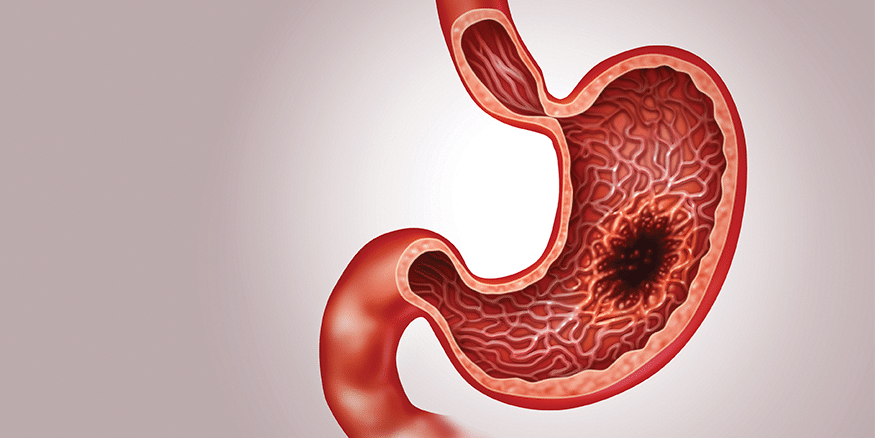
概述
Stomach cancer, also called gastric cancer, begins in the lining of the stomach. It is more common in East Asia, Eastern Europe, and parts of South America. Most are adenocarcinomas, and it is often diagnosed at an advanced stage.
Subtypes include:
- Intestinal-type adenocarcinoma (more common, slower growing)
- Diffuse-type adenocarcinoma (more aggressive)
症状
- Indigestion or heartburn
- Stomach pain or discomfort
- Feeling full after small meals
- Nausea or vomiting
- Weight loss and fatigue
- Black stools (melena)
病因与风险因素
- Helicobacter pylori (H. pylori) infection
- Smoking and heavy alcohol use
- High-salt and preserved food diet
- Family history
- Previous stomach surgery or chronic gastritis
- Male gender, age >50
诊断方法
- Upper endoscopy (EGD) with biopsy
- CT or PET-CT for staging
- Endoscopic ultrasound
- Blood tests (CEA, CA 19-9)
治疗方案
- Surgery (subtotal or total gastrectomy)
- Chemotherapy (pre- or post-operative)
- Chemoradiation (for localized cases)
- Targeted therapy (HER2+ or VEGF+ tumors)
- Immunotherapy (for PD-L1+ or MSI-high tumors)
预后情况
- 5-year survival depends on stage:
- Early: ~70–90%
- Regional: ~32%
- Distant: ~6%
与此类癌症共处
- Nutritional management after surgery
- Vitamin B12 and iron monitoring
- Pain control and symptom relief
- Emotional and family support
预防与筛查
- Eradicate H. pylori when diagnosed
- Regular endoscopic screening (in high-risk areas)
- Avoid processed foods and excess salt
- Smoking cessation and alcohol moderation
FAQs
Q: Is H. pylori linked to gastric cancer?
A: Yes, it’s a major risk factor and should be treated when found.
Q: Can I live without my stomach?
A: Yes, with dietary changes and supplements.
Q: Can gastric cancer be inherited?
A: Rarely, but genetic counseling is recommended for families with multiple cases.
相关资源
- Stomach Cancer Foundation
- American Gastroenterological Association
- ClinicalTrials.gov