Want to learn how liquid biopsy may help you choose suitable natural substances during your cancer journey?
Expert insights, latest research, and practical advice to empower your cancer journey—from understanding cancer types to mastering precision oncology.
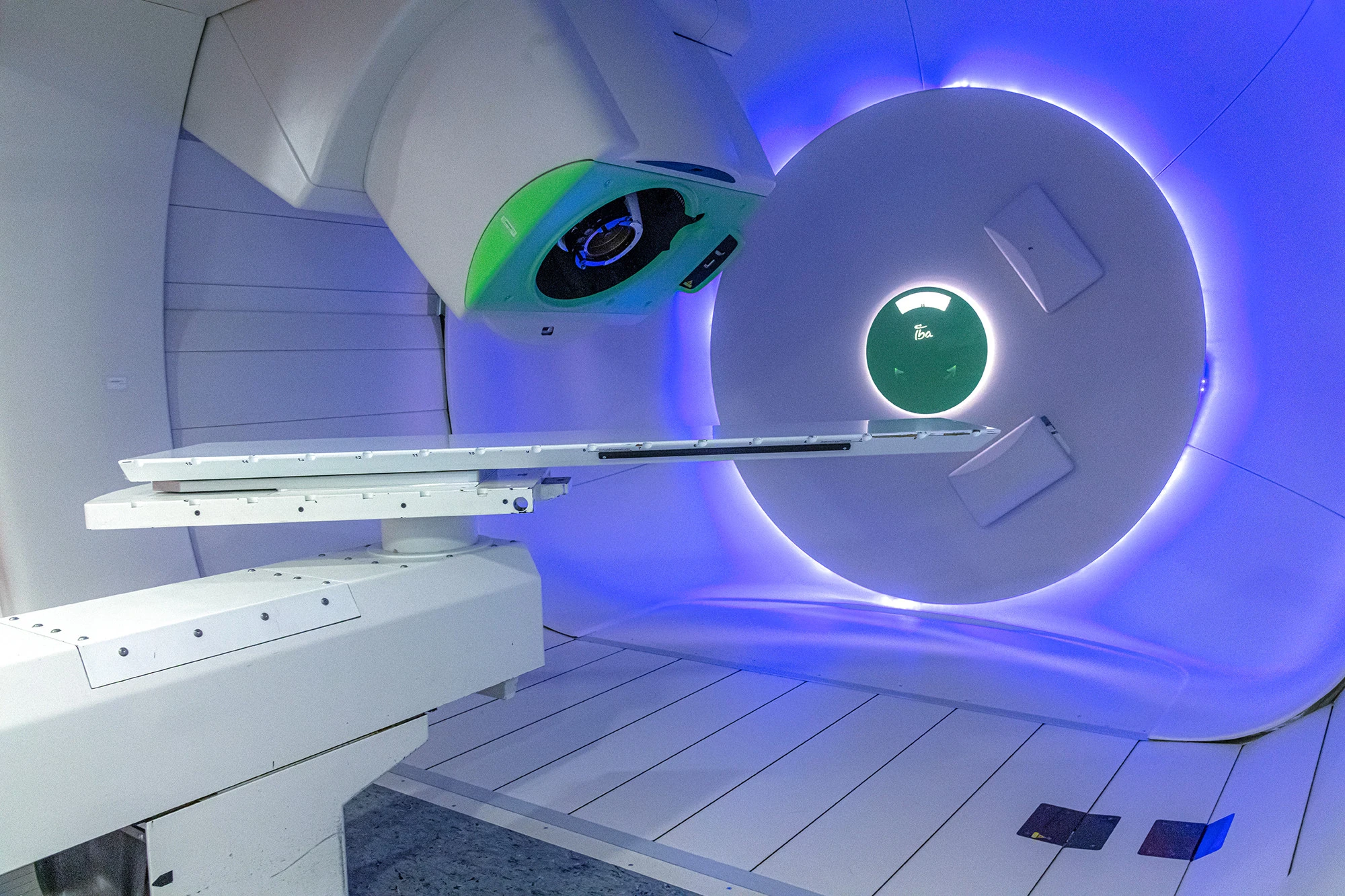
For many people diagnosed with cancer, hearing the word “radiation” can feel overwhelming. But radiation therapy is not just one treatment. There are different ways radiation can be delivered, and one of the more advanced forms is proton therapy. Proton therapy is a type of radiation treatment that uses protons, which are positively charged particles, to damage or destroy tumor cells. Unlike standard X-ray radiation, proton beams can be controlled so that most of their energy is released at the tumor, which may reduce radiation exposure to nearby healthy tissue.
This difference is what makes proton therapy especially important in situations where a tumor is close to sensitive structures such as the brain, eye, spine, or other critical organs. It has also become an important option in some childhood cancers, where reducing radiation to developing tissues can matter greatly. At the same time, proton therapy is not the right choice for every patient or every cancer, and researchers are still studying when it offers the clearest advantage over traditional radiation.
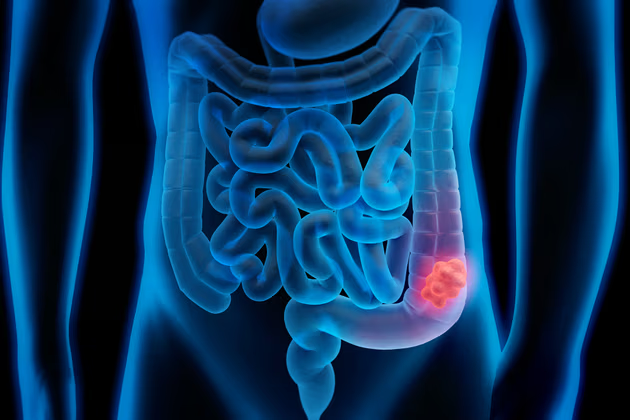
What starts as a small growth in the colon or rectum can sometimes become something far more serious over time. Colorectal cancer often develops slowly, usually beginning as a polyp — an abnormal growth in the lining of the colon or rectum. In many cases, these early changes do not cause symptoms, which is one reason colorectal cancer can go unnoticed until it becomes more advanced. Understanding how colorectal cancer develops helps explain why screening, symptom awareness, and early attention matter so much.

What starts as a small, painless change on the tongue can sometimes become something far more serious over time. Tongue cancer may begin with abnormal cells that grow quietly, without causing obvious discomfort in the early stages. Because the mouth can change for many reasons — including irritation, ulcers, or infection — early warning signs are sometimes overlooked or mistaken for something less serious. By the time changes become more noticeable, the disease may already be more advanced. Understanding how tongue cancer develops helps explain why awareness and early attention matter so much.

For decades, cancer treatment focused mainly on directly removing or destroying tumor cells through surgery, chemotherapy, or radiation therapy. While these approaches remain important, newer treatment strategies have changed the cancer care landscape in significant ways. One of the most important advances is immunotherapy.
Unlike traditional treatments that attack cancer directly, immunotherapy works by helping the body’s own immune system recognize and fight cancer cells. This has led to remarkable results for some patients, including long-term responses in certain cancers. At the same time, immunotherapy does not work for everyone, and the reasons are often linked to the complex biology of each person’s cancer.
Understanding how immunotherapy works—and why some patients respond while others do not—can help patients and families make more informed decisions about treatment options.
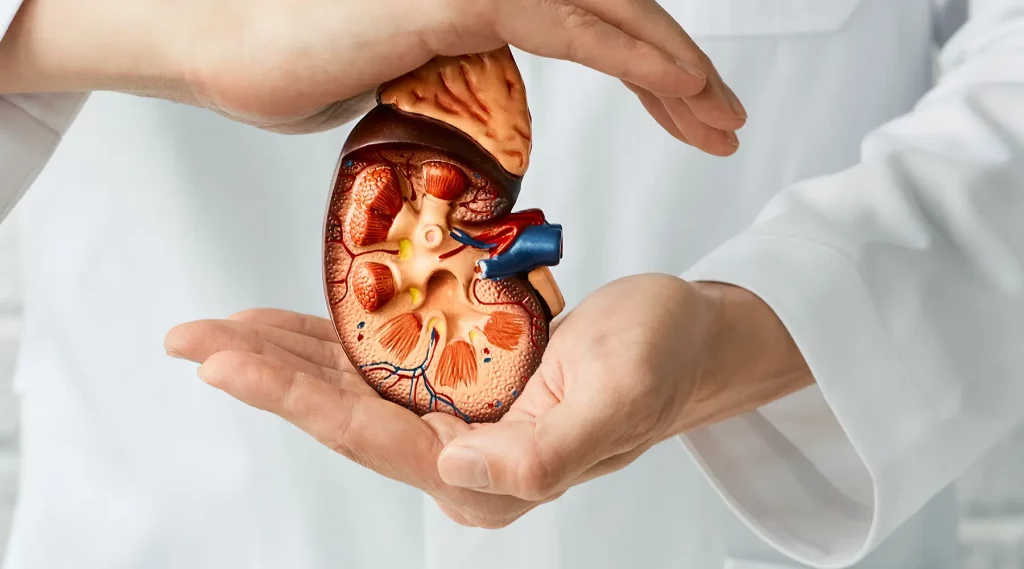
Kidney cancer is often described as a “silent” disease—and for many patients, that description is alarmingly accurate.
In fact, studies have shown that up to 50% of kidney tumors are discovered incidentally, meaning they are found during scans performed for unrelated reasons—such as back pain, abdominal discomfort, or routine health checks.

For many patients and families, cancer care involves more than scans and treatment schedules. Doctors may also talk about biomarkers, tumor markers, or biomarker testing to better understand the cancer and guide decisions. In simple terms, these tests look for certain genes, proteins, or other molecules that can provide clues about how a cancer behaves and which treatments may be more suitable.
Understanding these terms can make it easier to follow discussions about diagnosis, treatment planning, treatment response, and follow-up care. It also helps explain why modern oncology increasingly uses personalized or precision-based approaches instead of treating every cancer the same way.
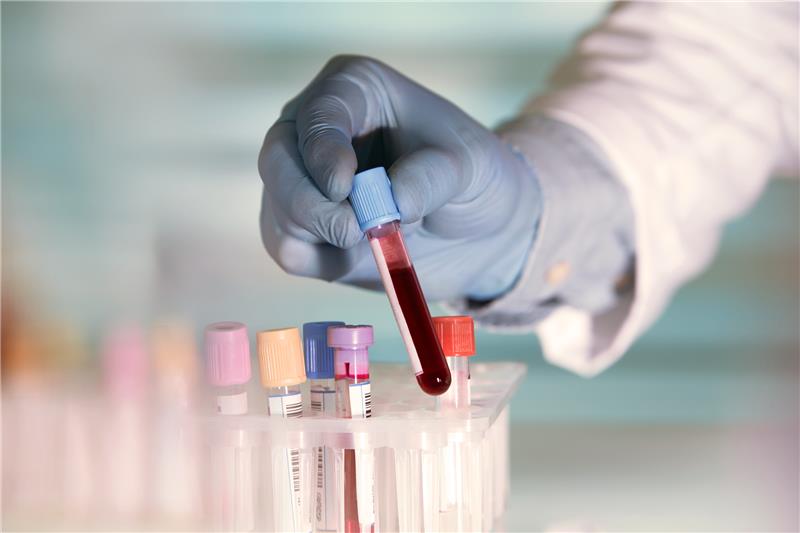
For many people facing cancer, one of the most difficult and confusing moments is hearing that a treatment that once seemed effective is no longer working as expected. This can happen because cancer cells sometimes adapt over time, developing ways to survive treatment and continue growing. This process is known as drug resistance or treatment resistance.
Understanding why resistance happens can help patients and families make sense of treatment changes, additional testing, and new recommendations from their care team. It also helps explain why modern oncology increasingly relies on precision medicine and liquid biopsy to better understand how a cancer is changing and what treatment options may be most appropriate next.
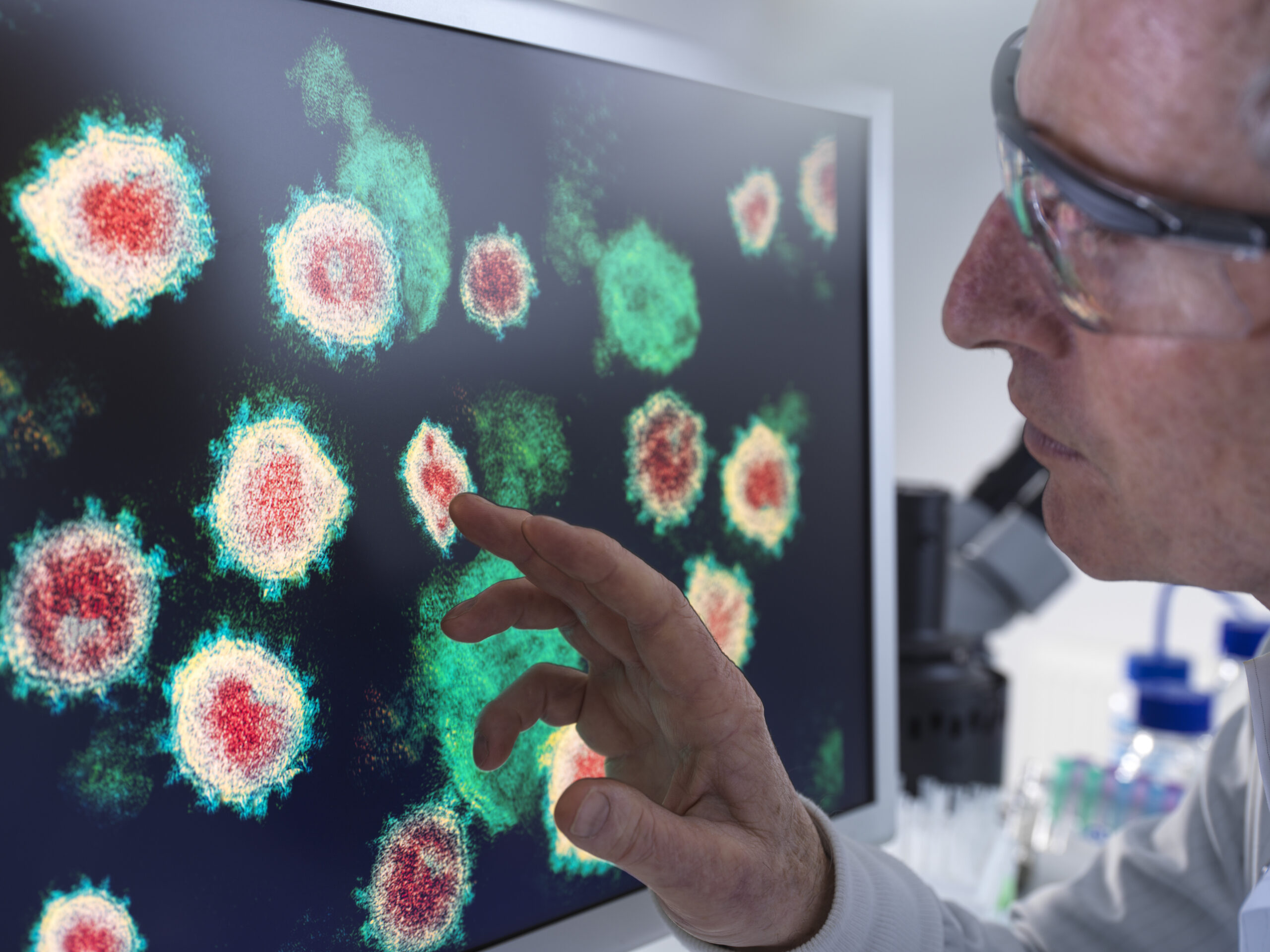
For those facing melanoma—one of the most aggressive forms of skin cancer—immunotherapy has emerged as a life-changing treatment option. Among these breakthrough therapies, Opdivo (nivolumab) stands out for its ability to harness the body’s own immune system to fight cancer. But understanding how Opdivo works, who it’s right for, and what to expect during treatment can feel overwhelming. This guide breaks down the key details in clear, patient-centered language—empowering you to make informed decisions about your care.
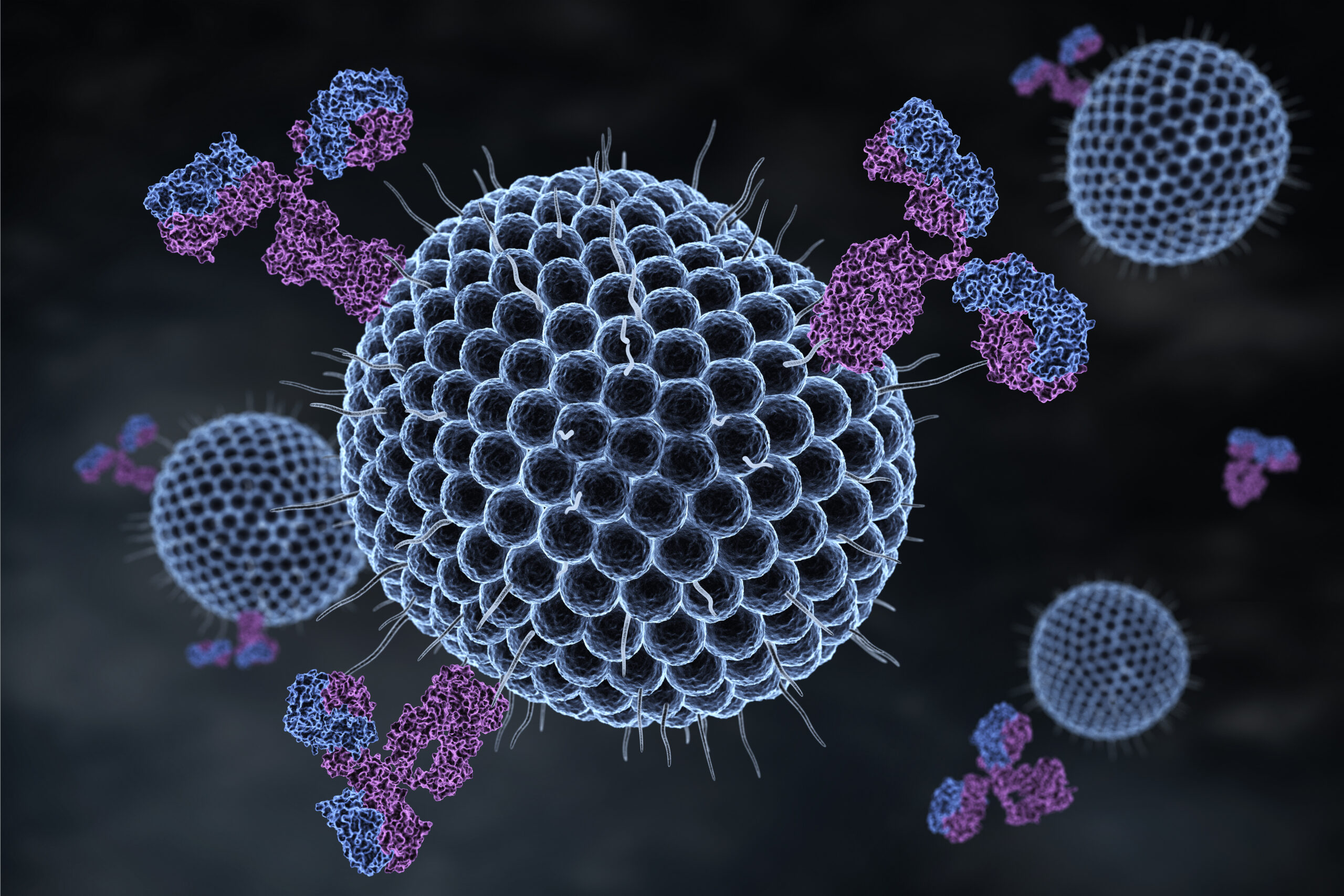
It’s a startling fact: every day, the human body produces millions of mutated cells. These cells have damaged DNA—changes caused by everything from UV light and pollution to normal metabolic processes. Yet most people never develop cancer. This disconnect between daily cell mutation and cancer development leaves many wondering: Why do these mutated cells not always turn into life-threatening tumors? The answer lies in the body’s powerful defense systems, lifestyle factors, and the difference between “harmless mutations” and “cancerous ones.”

For anyone facing chemotherapy, the fear of side effects often feels as overwhelming as the cancer itself. Chemotherapy is a powerful tool—one that targets rapidly dividing cancer cells—but it doesn’t discriminate. Healthy cells are damaged too, leading to debilitating effects like nerve pain, nausea, hair loss, fatigue, and organ strain. What if there was a safe, evidence-based way to ease these side effects while actually enhancing the effectiveness of chemo? That’s where glutathione IV therapy comes in—a lesser-known but game-changing support for cancer patients navigating treatment.
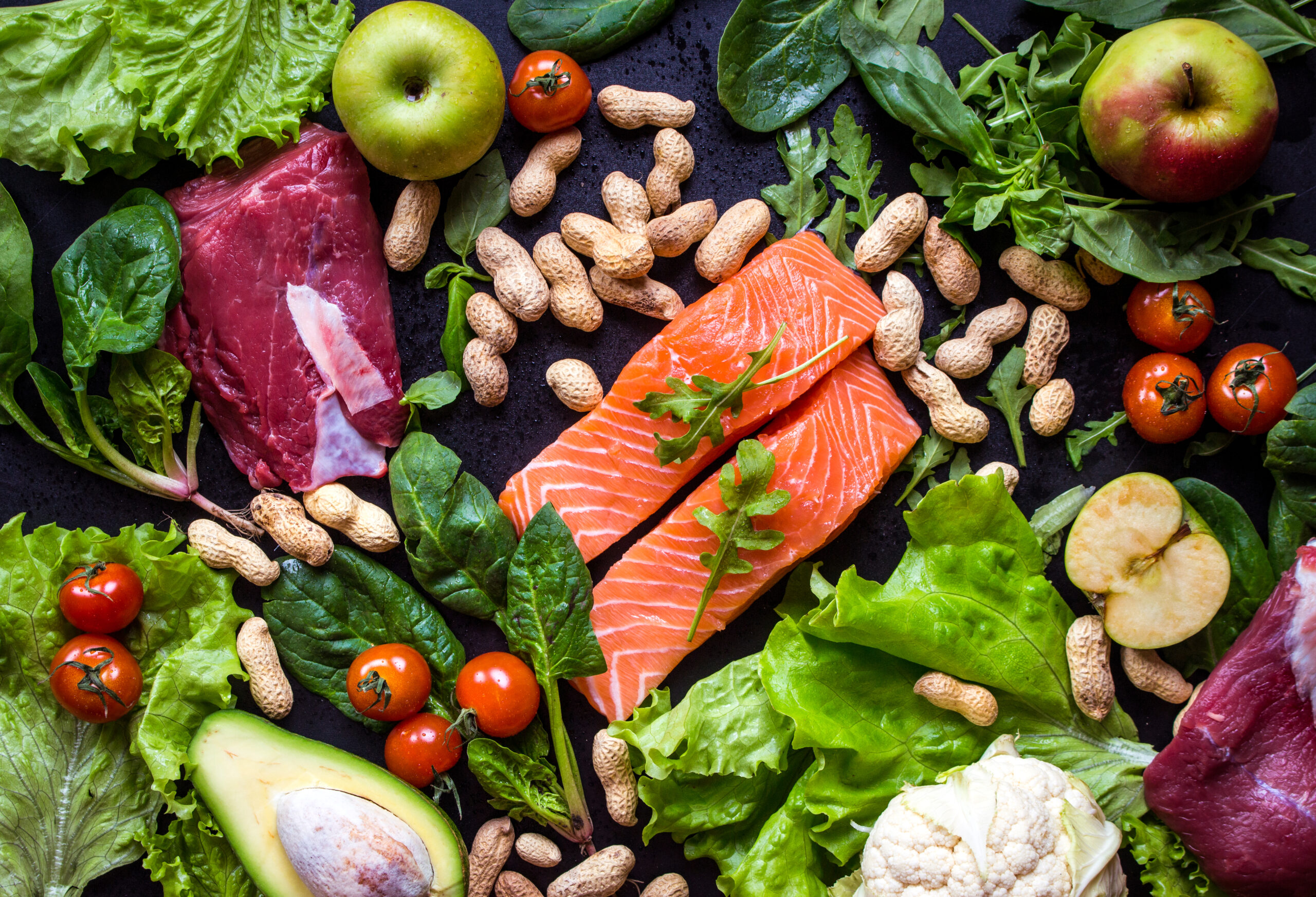
For many cancer patients and caregivers, the question of what to eat to boost strength and halt weight loss is a constant worry. Chicken essence—often marketed as a concentrated source of nutrition—becomes a go-to choice, especially when appetite is low and eating whole foods feels impossible. But is it the most effective option? The answer might surprise you: while chicken essence is generally safe, there’s a lesser-known nutrient that offers far greater benefits for fighting fatigue, preserving muscle, and supporting overall recovery.

When breast cancer treatment ends, many survivors breathe a sigh of relief, thinking regular medication will keep recurrence at bay. But what if the everyday products you use—from your morning shampoo to your nightly moisturizer—are quietly undoing the hard work of your medication? For those navigating life after breast cancer, understanding and avoiding “hidden hormone disruptors” is just as critical as sticking to your prescription.

Food as a Partner in Cancer Prevention, Not a Magic Cure
For anyone living with cancer, recovering from treatment, or caring for a loved one, it is natural to ask whether certain foods can make a real difference. Many “superfood” claims online feel confusing or exaggerated, and it can be hard to know what is truly backed by human research. Some foods do show encouraging anti-cancer effects in clinical studies, but they are tools to support the body, not replacements for proper medical care.

When a Cancer Diagnosis Forces the Hardest Question of All
A cancer diagnosis rarely arrives alone. Along with fear and uncertainty, it brings an overwhelming question that many patients, survivors, and caregivers quietly wrestle with:
“What kind of life do we want to live from here on?”

When “Feeling Healthy” Isn’t the Same as Being Protected
Many patients, survivors, and caregivers share a common concern: “Everything seems normal—so why does illness still happen?”
Blood tests look acceptable. Daily routines feel balanced. There may be no obvious symptoms. Yet serious infections or cancer can still appear unexpectedly.
Modern science is revealing an important reason for this gap between how health feels and how protected the body truly is: immune aging, also known as immunosenescence.
Immune aging does not announce itself with pain or clear warning signs. It quietly weakens the body’s internal defense system long before disease becomes visible. Understanding and addressing this process early can make a meaningful difference in long-term health outcomes.
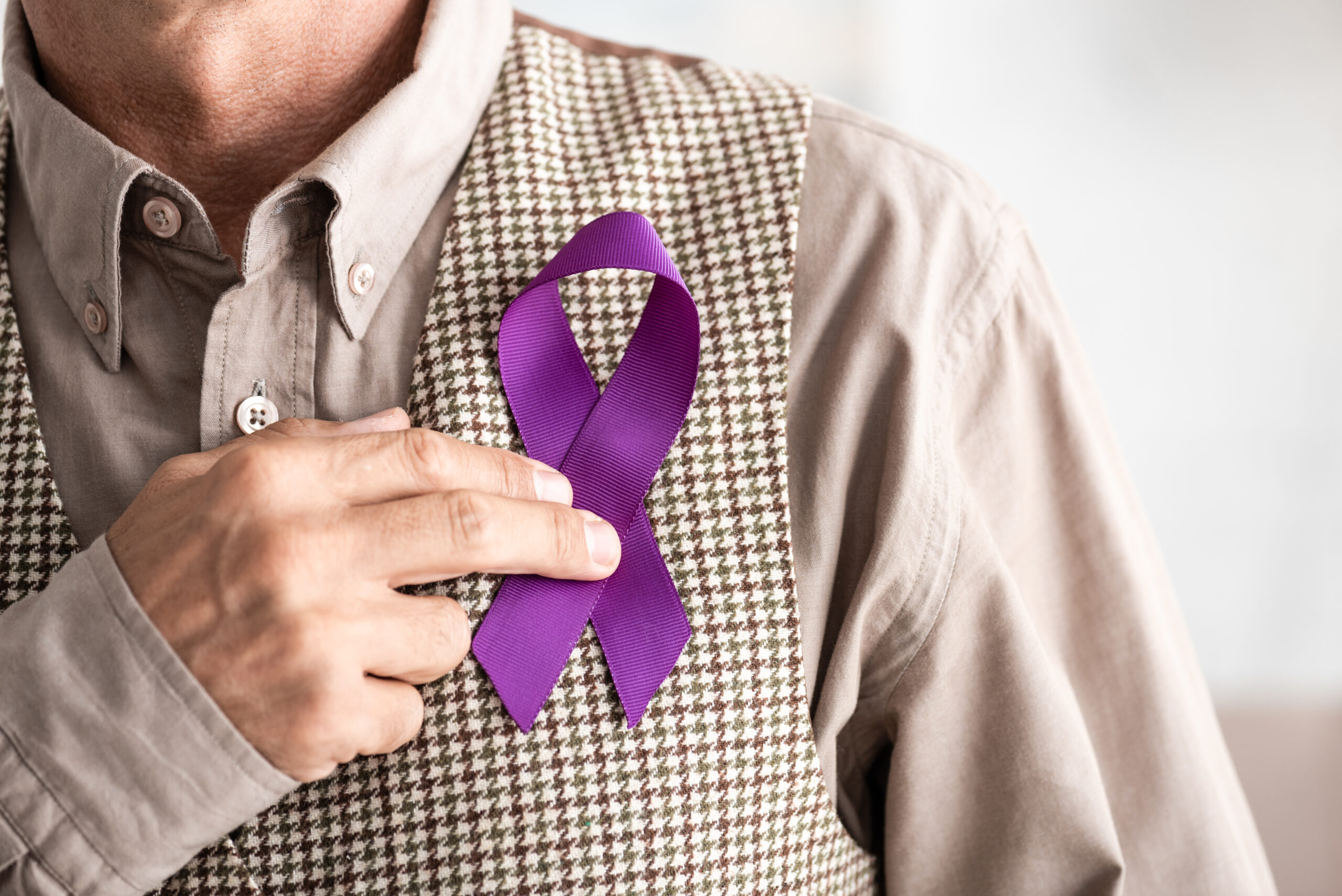
When a Blood Test Raises Alarm: Understanding CA 19-9 Without Panic
Receiving a health screening report that shows an elevated tumor marker can be deeply unsettling. Markers such as PSA, CA-125, or CA 19-9 are often included in routine checkups, and while they are valuable tools, they are frequently misunderstood.
Living With Silent Inflammation: A Common but Overlooked Women’s Health Issue
For many women, gynecologic health concerns are a constant background worry. Conditions like painful periods, uterine fibroids, or endometriosis are often labeled as “benign,” something to manage rather than truly resolve. Over time, this can normalize discomfort and lead to a quiet acceptance of chronic symptoms.

Why Colorectal Cancer Feels So Unpredictable
When a well-known public figure passes away from colorectal cancer at a young age, the shock is profound. It disrupts the belief that cancer is something distant, reserved for “later in life” or for people with obvious risk factors. In moments like these, many people quietly tell themselves to cherish each day and move on, unsure what else can realistically be done.
Why Cancer Feels Different From Other Diseases
Cancer carries a unique emotional weight. For many patients, survivors, and caregivers, it represents uncertainty, loss of control, and treatments that are physically and emotionally exhausting. Unlike many chronic diseases, cancer often enters the conversation only after it has already begun.
Understanding the Fear: Why Hormones Have Been Blamed for Serious Diseases
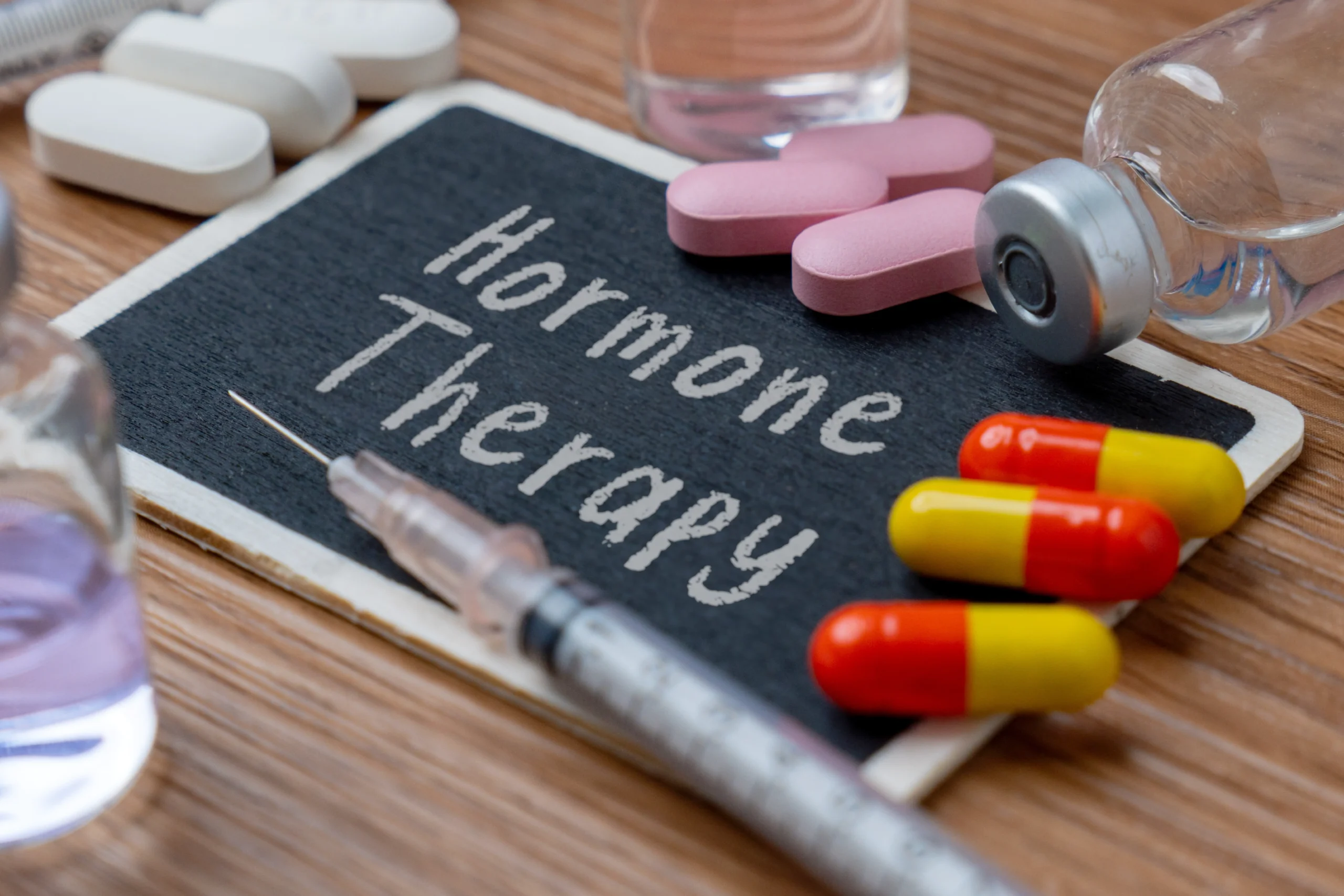
Many patients, survivors, and caregivers have heard the same warning repeated for years: “Hormones increase the risk of blood clots and cancer.”
This belief has shaped medical decisions, caused fear around hormone therapy, and led many women to avoid treatment that could improve quality of life.
Why Mitochondrial Health Matters More Than You Think
Mitochondria are responsible for converting nutrients into usable energy (ATP), which is why they are often called the “power plants” of our cells. When mitochondrial function declines, energy production drops—and many organs and systems begin to fail.
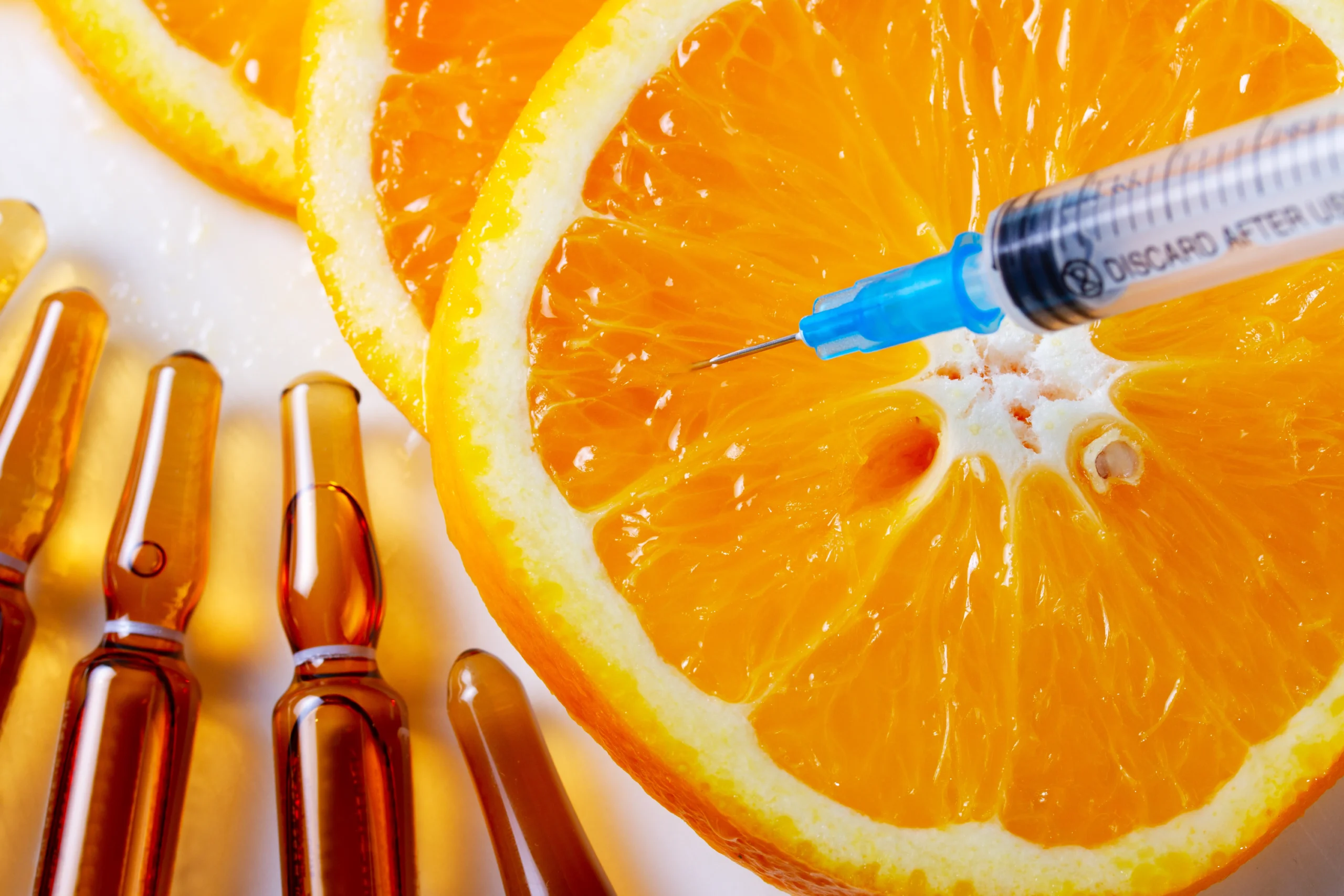
Understanding Intravenous Vitamin C Therapy: Setting Realistic Expectations
Intravenous vitamin C (IVC) therapy has been discussed in cancer care for nearly half a century. Since the 1970s, early research led by prominent scientists suggested that high-dose vitamin C might benefit cancer patients, sparking global interest.

Why Many People Think About Immunity Only After Cancer Appears
Over the past few years, conversations about immunity have become part of everyday life. Antibodies, immune cells, and viral defense are no longer abstract scientific terms—they are topics families discuss at the dinner table. This growing awareness has also led many to wonder: if the immune system can fight infections, can it also protect against cancer?
When Immunity Feels Weaker With Age: A Shared Concern
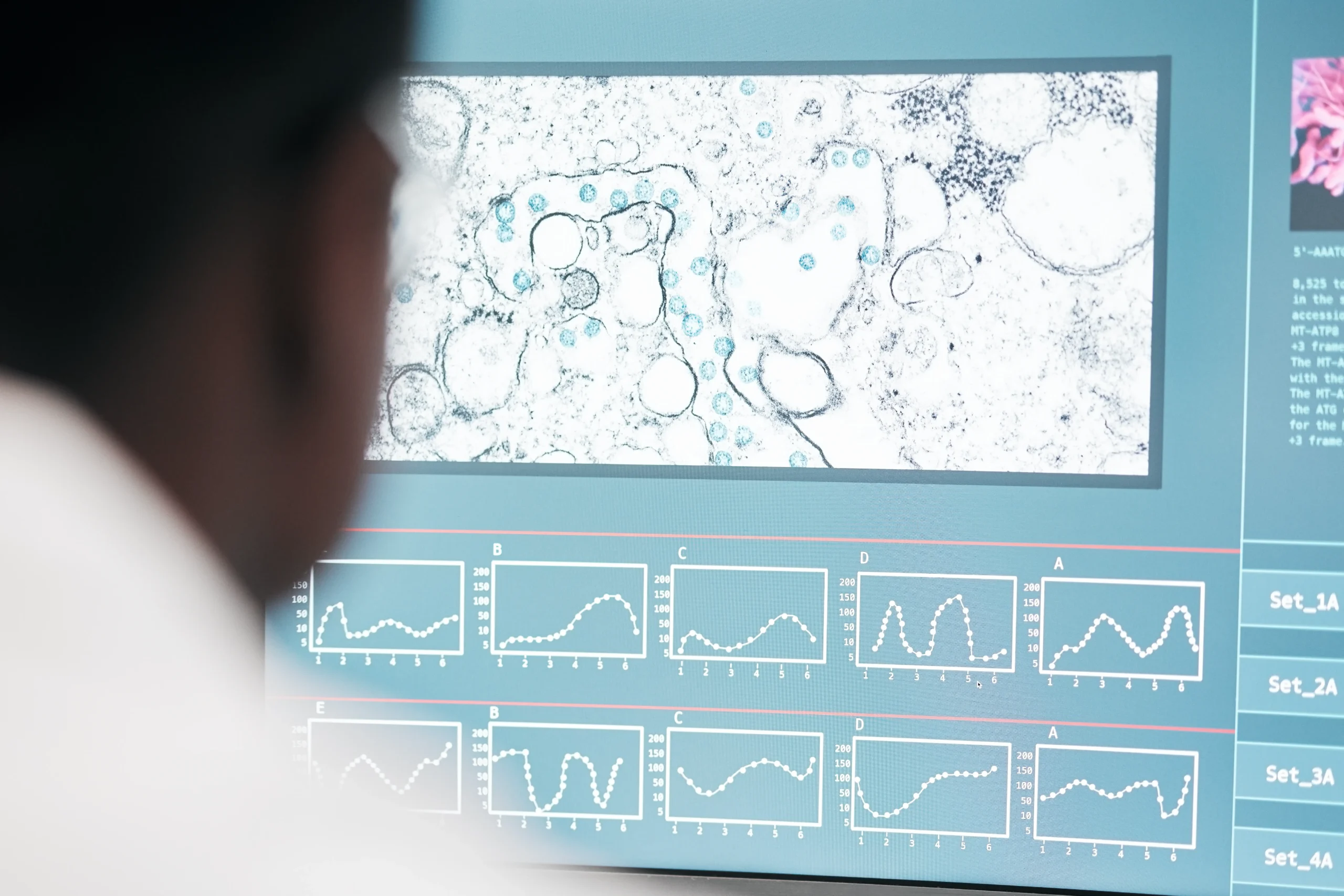
As colder seasons arrive, many families notice the same worry resurfacing—minor infections linger longer, recovery feels slower, and vaccinations seem less effective than before. For caregivers of older adults, respiratory infections can quickly escalate into serious complications. Even among health-conscious individuals, immune resilience may no longer feel dependable.

Living Healthy in an Unhealthy Environment: A Modern Concern
Many people eat carefully, exercise regularly, and avoid smoking—yet chronic illness still appears unexpectedly. This reality can feel frustrating and unfair. One often-overlooked factor is daily exposure to environmental toxins. Polluted air, contaminated water, heavy metals in food, and industrial byproducts are no longer rare exposures. They are part of everyday life.

The effectiveness of cancer treatment varies among each patient.