
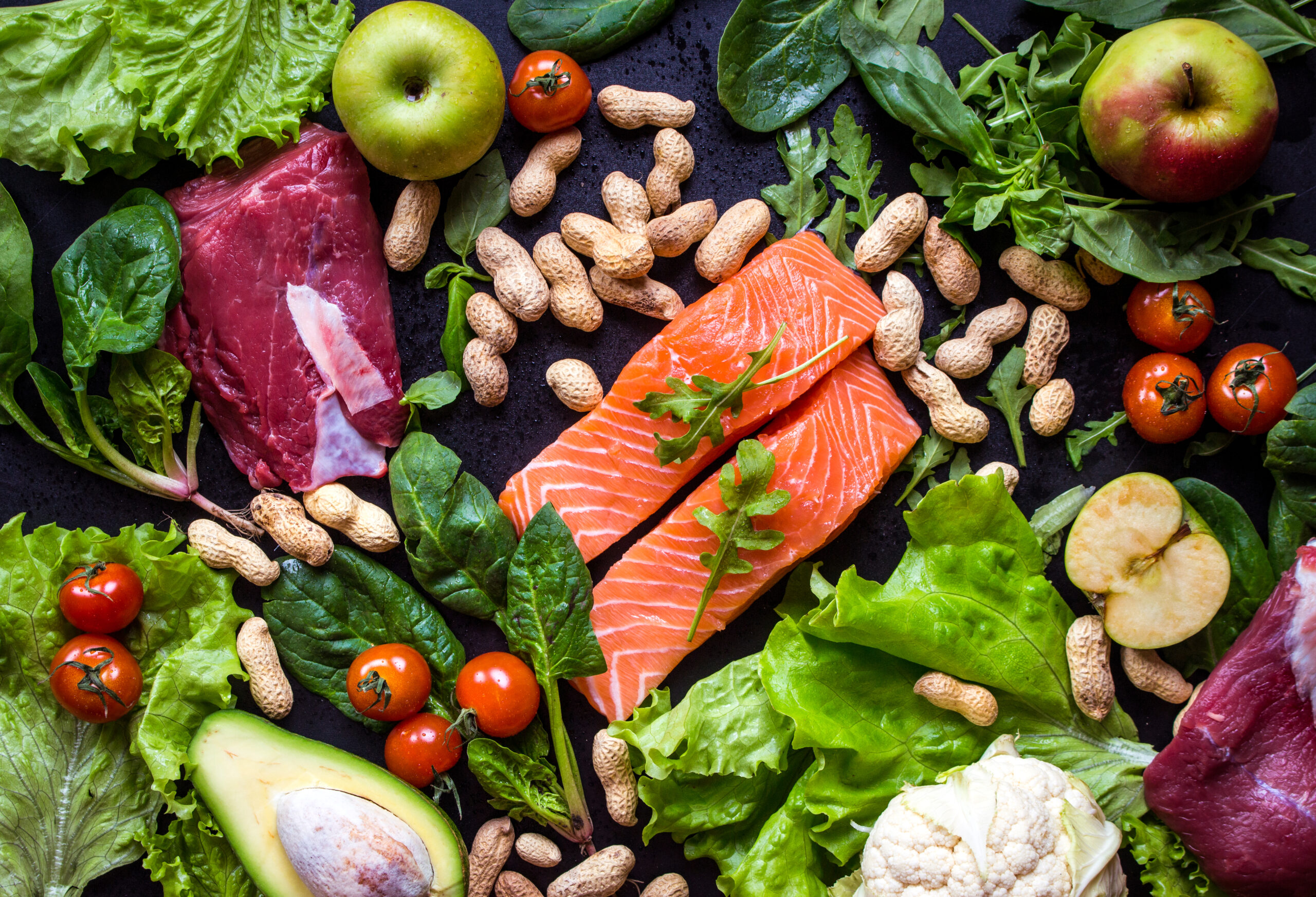
For many cancer patients and caregivers, the question of what to eat to boost strength and halt weight loss is a constant worry. Chicken essence—often marketed as a concentrated source of nutrition—becomes a go-to choice, especially when appetite is low and eating whole foods feels impossible. But is it the most effective option? The answer might surprise you: while chicken essence is generally safe, there’s a lesser-known nutrient that offers far greater benefits for fighting fatigue, preserving muscle, and supporting overall recovery.
Can Cancer Patients Drink Chicken Essence? What You Need to Know
First, let’s address the common question: yes, most cancer patients can drink chicken essence, as long as they monitor sodium and purine levels (important for those with kidney issues or gout). But here’s the catch: its nutritional value is limited. Chicken essence and chicken soup are low in amino acids—the building blocks of protein that cancer patients desperately need to maintain muscle mass and repair cells.
Whole chicken (or other unprocessed “whole foods”) is always the better choice for getting adequate amino acids. But for many patients, this advice feels unrealistic. Cancer and its treatments often cause profound fatigue, loss of appetite, and digestive issues, making it nearly impossible to eat solid, protein-rich foods. When even a few bites of chicken feel overwhelming, reaching for a small, easy-to-consume drink like chicken essence makes sense. The problem is that it doesn’t deliver the concentrated nutrition patients truly need. So, what’s the alternative?
Why Cancer Patients Are Prone to Carnitine Deficiency
There’s a nutrient called carnitine that addresses the core challenges cancer patients face: low energy, muscle loss, and weakened immunity. Carnitine plays a critical role in converting fat into energy, supporting antioxidant function, and boosting the immune system. It’s also linked to muscle health and even brain function—all areas that suffer during cancer treatment.
Carnitine is primarily found in red meat, so vegetarians or those who can’t eat meat (due to taste changes or digestive issues) often struggle to get enough from food alone. While the body can synthesize carnitine from building blocks like lysine, methionine, iron, and B vitamins, this process doesn’t work well when the body is under stress from illness or aging.
For cancer patients, three key factors make carnitine deficiency common:
Research shows that a staggering 76% of cancer patients have low carnitine levels. This deficiency worsens the “cachexia” (wasting syndrome) that plagues many patients—unintended weight loss, muscle loss, and extreme fatigue that no amount of chicken essence can fully reverse.
The Benefits of Carnitine for Cancer Patients: Evidence-Based Results
Supplementing with carnitine offers tangible, measurable benefits for cancer patients—benefits that go far beyond what chicken essence can provide. Studies show that regular carnitine supplementation leads to significant improvements in just three months:
These results highlight carnitine’s multifaceted benefits: it doesn’t just stop weight loss—it reverses it. It doesn’t just boost energy—it supports long-term survival and quality of life. For patients who’ve tried everything to gain strength without success, carnitine is a science-backed solution that addresses the root cause of their struggles.
Practical Ways to Supplement Carnitine (No Fuss, No Digestive Stress)
Supplementing with carnitine is simple and accessible, even for patients with sensitive digestive systems:
The key is to work with a healthcare provider to determine the right dosage, as individual needs vary based on treatment type, overall health, and carnitine levels (which can be tested with a simple blood test).
The effectiveness of cancer treatment varies among each patient.
Precision Medicine & Liquid Biopsy: Personalizing Nutrition for Cancer Patients
Precision medicine is transforming cancer care by moving beyond “one-size-fits-all” approaches to treatments and nutrition. For patients considering carnitine or other supplements, precision medicine ensures that choices are tailored to their unique biology—maximizing benefits and minimizing risks.
A powerful tool in precision medicine is liquid biopsy: a non-invasive blood test that detects tiny fragments of DNA, proteins, or other biomarkers released by cancer cells or the body’s response to illness. Here’s how it supports personalized care for cancer patients:
Precision medicine takes the guesswork out of nutrition. Instead of relying on generic advice (like “drink chicken essence”), patients get a plan based on their body’s specific needs—ensuring they invest in supplements that truly make a difference.
Moving Forward: Choosing Nutrition That Works Harder for You
For cancer patients and caregivers, every decision about food and supplements is about hope—hope for more strength, more energy, and more time. Chicken essence isn’t a bad choice, but it’s not the best choice when carnitine offers proven, impactful benefits.
The goal isn’t to add more to an already overwhelming routine, but to choose smarter: swap a low-benefit drink for a supplement that addresses the root causes of fatigue and muscle loss. By working with a healthcare provider to test for carnitine levels and explore supplementation, patients can take control of their nutrition—turning “surviving” into “thriving.”
Remember, nutrition during cancer treatment isn’t about perfection. It’s about making choices that align with your body’s needs. For many, carnitine is the missing piece—offering a path to more strength, better health, and a brighter future.
References
Precision medicine provides patients with clearer and more personalized treatment guidelines


Learn how precision medicine can help with your cancer treatment

The effectiveness of cancer treatment varies among each patient.