
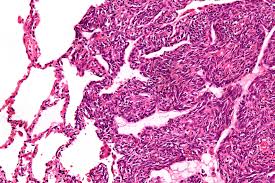
Overview
Synovial sarcoma is a rare and aggressive soft tissue sarcoma that most commonly arises near joints, tendons, or bursae, especially in the arms and legs. Despite the name, it does not originate from synovial cells. It affects young adults and adolescents, with a distinct chromosomal translocation
Symptoms
- Slow-growing painless lump near joints
- Swelling or tenderness
- Decreased range of motion
- Numbness or pressure sensation (if compressing nerves)
Causes & Risk Factors
- Chromosomal translocation
- Mostly sporadic, not hereditary
- More common in males and people under 40
Diagnosis
- MRI of the affected limb
- Core needle biopsy for histopathology
- Immunohistochemistry and molecular testing (SS18-SSX fusion gene)
- CT chest to detect lung metastases
Treatment Options
- Surgical resection with wide margins (limb-sparing if possible)
- Radiation therapy (pre- or post-op to reduce recurrence)
- Chemotherapy (e.g., doxorubicin, ifosfamide)
- Targeted therapy (e.g., Tazemetostat in trials)
- Clinical trials and genetic-guided approaches
Prognosis
- Depends on tumor size, location, margin status, and metastasis
- 5-year survival: 50–70% (localized), ~20–30% (metastatic)
- High recurrence risk — long-term monitoring required
Living with this Cancer Type
- Rehabilitation post-surgery (physical therapy)
- Pain and nerve symptom management
- Psychological support for young adult patients
- Monitoring for recurrence and lung metastasis
Prevention & Screening
- No known prevention
- Early evaluation of unusual limb masses
- Genetic counseling not typically required
FAQs
Resources
Understand Precision Testing
Learn how liquid biopsy and chemo sensitivity testing can personalize your treatment plan.
Make Informed Decisions
Gain knowledge to actively participate in treatment discussions with your healthcare team.
Improve Treatment Outcomes
Discover how precision medicine and metabolic therapies can enhance treatment effectiveness.
Start Your Educational Journey Today
Empower yourself with knowledge about precision metabolic oncology and take an active role in your cancer care journey.
Need More Information?
Our team of oncology experts is here to help you understand your diagnosis and treatment options.