概述
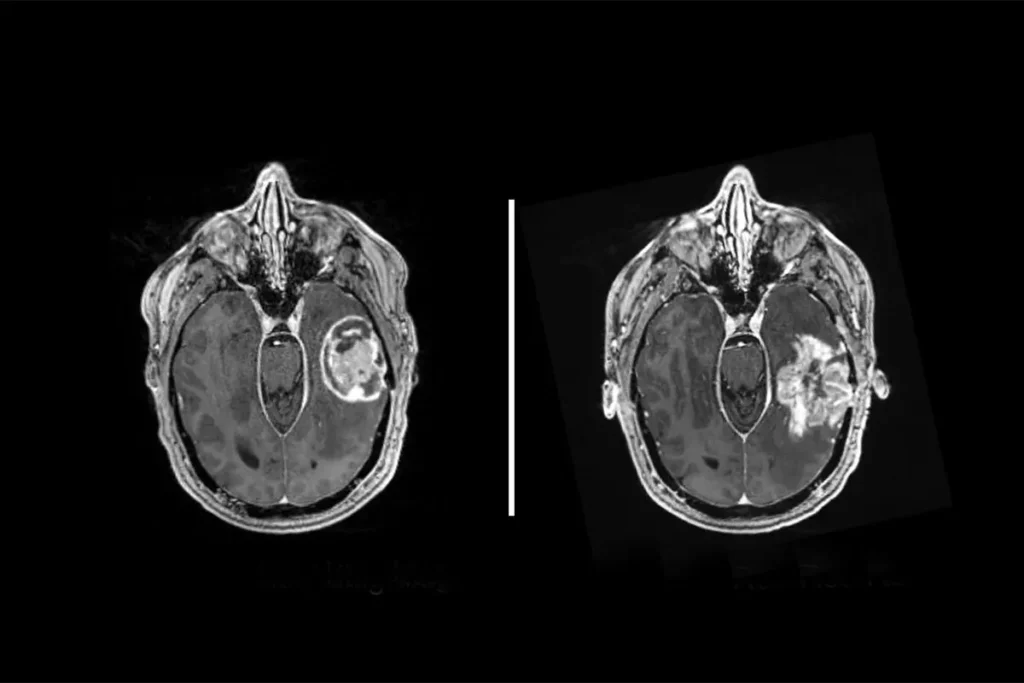
Glioblastoma (also known as glioblastoma multiforme or GBM) is the most aggressive type of primary brain tumor. It originates from astrocytes — star-shaped cells that support nerve cells — in the brain or spinal cord. GBM accounts for about 15% of all brain tumors and is known for its rapid growth and resistance to treatment.
症状
- Persistent or severe headaches
- Nausea or vomiting
- Seizures
- Difficulty with balance or coordination
- Personality or behavioral changes
- Memory loss
- Visual disturbances
病因与风险因素
- Genetic mutations (e.g., IDH1/IDH2, EGFR)
- Previous radiation exposure to the head
- Age (most common in adults aged 45–70)
- Gender (slightly more common in males)
- No strong hereditary pattern in most cases
诊断方法
- MRI with contrast (gold standard)
- CT scan (less specific)
- Biopsy for histological confirmation
- Molecular testing for MGMT methylation, IDH mutation, and EGFR amplification
治疗方案
- Surgical resection (maximal safe removal)
- Radiation therapy (usually with concurrent chemotherapy)
- Chemotherapy (typically temozolomide)
- Tumor Treating Fields (TTF) – electrical field therapy
- Clinical trials (targeted therapy, immunotherapy)
预后情况
- Median survival: 12–15 months with standard treatment
- 2-year survival rate: ~25%
- Prognosis depends on age, performance status, and molecular markers (e.g., MGMT methylation improves response to chemotherapy)
与此类癌症共处
- Physical and occupational therapy
- Psychological support and counseling
- Cognitive rehabilitation
- Support for caregivers
- Advance care planning
预防与筛查
- No known preventive screening methods
- Avoid unnecessary radiation exposure
- Research ongoing in genetic and environmental links
FAQs
- Can glioblastoma be cured?
- What are the latest research developments?
- Is glioblastoma inherited?
- What support is available for families?
相关资源
- American Brain Tumor Association (abta.org)
- National Brain Tumor Society
- Brain Tumour Foundation (UK/Canada)
- ClinicalTrials.gov (search for “glioblastoma”)