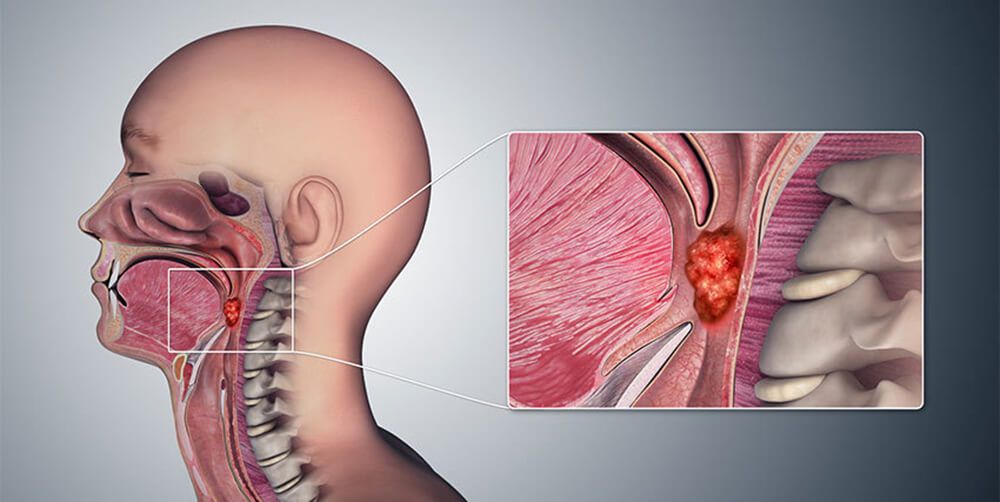
概述
Nasopharyngeal carcinoma (NPC) is a malignant tumor that originates in the nasopharynx, the upper part of the throat behind the nose. It is relatively rare globally but has high prevalence in Southeast Asia, Southern China, and North Africa.
NPC is strongly associated with Epstein-Barr virus (EBV) infection, and it behaves differently from other head and neck cancers.
症状
- Lump in the neck (swollen lymph nodes)
- Nasal obstruction or bleeding
- Hearing loss or ear fullness (often unilateral)
- Headaches
- Tinnitus (ringing in the ears)
- Facial numbness or double vision (advanced cases)
病因与风险因素
- EBV infection
- Genetic susceptibility (family history)
- Diets rich in preserved foods (e.g., salted fish)
- Smoking and alcohol (less significant than for other head and neck cancers)
诊断方法
- Nasal endoscopy with biopsy
- MRI or CT scan for staging
- Blood tests for EBV DNA or antibodies
- PET scan to detect metastasis
治疗方案
- Radiation therapy (primary treatment)
- Concurrent chemoradiotherapy for advanced stages
- Neck dissection surgery (if lymph nodes remain after radiation)
- Immunotherapy or targeted therapy (in metastatic or recurrent cases)
预后情况
- Prognosis depends on stage at diagnosis
- 5-year survival:
- Stage I: >90%
- Stage III–IV: ~50–70%
- Early detection significantly improves outcomes
与此类癌症共处
- Nutritional support during and after treatment
- Speech and swallowing therapy (if affected)
- Psychological support and follow-up imaging
- Monitor for hearing or cranial nerve damage
预防与筛查
- No vaccine for EBV
- High-risk individuals (e.g., family history) may benefit from regular screening via EBV DNA blood tests
FAQs
Q: Is NPC contagious?
A: No. While linked to EBV, NPC itself is not contagious.
Q: Can NPC come back after treatment?
A: Yes, recurrence is possible. Long-term monitoring is essential.
Q: What makes NPC different from other throat cancers?
A: Its strong EBV association, unique epidemiology, and high radiosensitivity.
相关资源
- NPC Support Group (Singapore, Hong Kong)
- National Cancer Centre Singapore
- ClinicalTrials.gov