想了解液体活检如何帮助您在癌症历程中选择更适合自己的天然营养成分吗?

靶向α疗法:一种治疗转移性黑色素瘤的新型放射性药物

Introduction

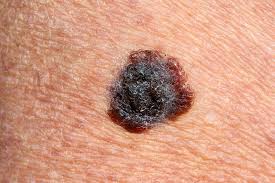
Metastatic melanoma represents one of the most aggressive forms of skin cancer, particularly when it spreads beyond the primary site. Although advances in immunotherapy and targeted therapies have improved outcomes, many patients still experience limited response or disease progression.

Recent research has explored a novel radioactive drug using targeted alpha therapy (TAT), offering a potential new strategy to selectively destroy melanoma cells while minimising damage to surrounding healthy tissues.


Challenges in Treating Metastatic Melanoma

Metastatic melanoma is associated with:

  • High rates of tumour spread to distant organs
  • Resistance to conventional therapies
  • Limited long-term effectiveness of existing treatments in some patients

Radiotherapy has traditionally been used, but conventional approaches—particularly those using beta-emitting radiation—may affect both tumour and healthy tissues due to longer radiation range and lower energy precision.


What is Targeted Alpha Therapy (TAT)?

Targeted alpha therapy is an advanced form of radiotherapy that uses alpha particle–emitting isotopes attached to molecules designed to target cancer cells.

Key properties of alpha particles:

  • Very high energy
  • Extremely short range (only a few cell diameters)
  • Ability to cause intense DNA damage within targeted cells

This combination allows for highly localised tumour destruction with potentially reduced impact on nearby healthy tissue.


The Novel Radioactive Drug

Researchers in Japan developed a new radiopharmaceutical based on:

  • Astatine-211 (²¹¹At), an alpha-emitting isotope
  • A peptide targeting melanocortin-1 receptor (MC1R)
  • MC1R is commonly overexpressed in melanoma cells

The compound, referred to as an ¹¹¹At-labelled α-MSH peptide analogue, is designed to selectively bind to melanoma cells and deliver targeted radiation.

Metastatic melanoma represents one of the most aggressive forms of skin cancer, particularly when it spreads beyond the primary site. Although advances in immunotherapy and targeted therapies have improved outcomes, many patients still experience limited response or disease progression.

Recent research has explored a novel radioactive drug using targeted alpha therapy (TAT), offering a potential new strategy to selectively destroy melanoma cells while minimising damage to surrounding healthy tissues.

如何在癌症护理开始前,预测方案是否可能适合自己?

不同患者对于癌症护理方案的反应与结果可能存在差异。

Key Findings from the Study

1. High Tumour Selectivity

The drug demonstrated strong accumulation in tumour tissue, with reduced uptake in normal organs, suggesting improved targeting specificity.

2. Effective Tumour Suppression

In melanoma-bearing animal models, the therapy showed dose-dependent tumour inhibition, indicating increasing effectiveness with higher dosing levels.

3. Rapid Clearance from Healthy Tissue

The compound was cleared relatively quickly from non-target organs, which may help reduce systemic toxicity.

4. High Stability

The drug remained stable in circulation, reducing the risk of radioactive leakage and unintended exposure.


Why This Approach Matters

This research reflects a broader shift toward precision radiopharmaceuticals in oncology.

Potential advantages include:

  • More targeted destruction of cancer cells
  • Reduced damage to surrounding healthy tissue
  • Ability to treat microscopic or metastatic disease
  • Potential application across multiple cancer types

Targeted radiotherapy is increasingly seen as a complement to existing approaches such as immunotherapy and targeted drugs.


Limitations and Current Status

  • The findings are currently based on preclinical (animal) studies
  • Clinical trials in humans are still required
  • Long-term safety and effectiveness remain to be established

While promising, this therapy is not yet available as a standard treatment.


Conclusion

The development of an astatine-211–based targeted alpha therapy represents a promising advancement in the treatment of metastatic melanoma.

By combining molecular targeting with high-energy, short-range radiation, this approach may offer a more precise and effective way to treat aggressive cancers in the future.

Further clinical research will be essential to determine its role in patient care.


References

想了解液体活检如何帮助您在癌症历程中选择更适合自己的天然营养成分吗?

精准医疗可为患者提供更清晰、更个人化的护理方向参考


立即发送消息,了解更多有关液体活检的信息

复选框

Message us on Whatsapp to know more about liquid biopsy

Learn how precision medicine can help with your cancer treatment

How to predict whether the treatment will be effective before cancer treatment starts?

The effectiveness of cancer treatment varies among each patient.