超声波

What Is an Ultrasound?

Ultrasound (sonography) is a medical imaging test that uses high-frequency sound waves to create real-time pictures of organs and tissues inside the body. Unlike X-rays, CT, or PET scans, ultrasound does not use radiation.

A handheld device called a transducer is placed on the skin. It sends sound waves into the body and captures the echoes, which a computer then converts into moving images.


How Ultrasound Is Used in Cancer

  1. Detection & Diagnosis
  • Detects lumps or abnormal masses, especially in breast, thyroid, liver, kidneys, ovaries, and testicles.
  • Can help distinguish between solid tumors and fluid-filled cysts.
  1. Guidance for Biopsies & Procedures
  • Commonly used to guide needle biopsies, ensuring samples are taken from the right area.
  • Helps in placing catheters or draining fluid collections.
  1. Staging & Monitoring
  • Evaluates whether cancer has spread to nearby organs or lymph nodes.
  • Monitors tumor changes during and after treatment.
  1. Special Types
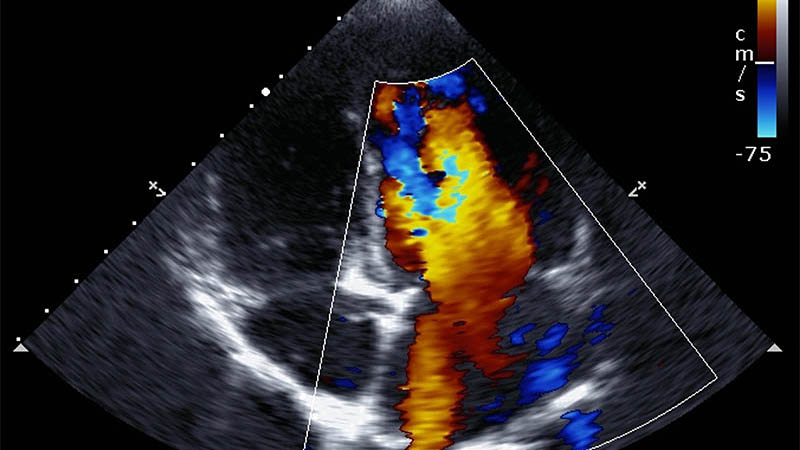
  • Doppler Ultrasound: Shows blood flow to tumors, helping assess aggressiveness.
  • Endoscopic Ultrasound (EUS): A probe is inserted into the digestive tract to get detailed images of the pancreas, esophagus, or stomach.


What to Expect During the Test

  • Usually painless, lasting 15–45 minutes.
  • A clear gel is applied to the skin to help transmit sound waves.
  • The transducer is moved over the skin, producing images in real time.
  • For some types (like transvaginal or endoscopic ultrasound), the probe goes inside the body for better visualization.


Benefits

  • No radiation exposure — safe for children and pregnant patients.
  • Real-time imaging, useful for guiding procedures.
  • Portable, widely available, and less expensive than CT or MRI.


Risks & Limitations

  • Operator-dependent: Image quality varies with technician skill.
  • Limited depth: Cannot see through bone or air-filled areas (e.g., lungs, brain).
  • Less detailed than CT or MRI for staging or complex anatomy.
  • Not always sufficient to confirm cancer — usually combined with other imaging or biopsy.


Alternatives & Related Tests

  • X-ray / CT Scan: More detail for bones and lungs.
  • MRI: Excellent for soft tissues, no radiation.
  • PET Scan: Shows cancer activity and spread.
  • Mammogram: Often paired with ultrasound in breast cancer evaluation.


Questions to Ask Your Doctor

  • Why is ultrasound recommended for my situation?
  • Will I also need a CT, MRI, or PET scan?
  • Can ultrasound alone confirm if the mass is cancer?
  • Will contrast (Doppler or contrast-enhanced ultrasound) be used?
  • How will the results affect my next steps?


Patient Tips

  • Wear loose clothing; you may be asked to change into a gown.
  • For abdominal ultrasound, fasting 6–8 hours before the test may be required.
  • For pelvic ultrasound, you may be asked to drink water and keep a full bladder.
  • Relax — the test is painless and generally quick.


References


了解精准检测

了解液体活检和化疗敏感性检测如何为您的护理方案提供个性化参考。

做出更明智的决策

获取相关知识,更积极地参与与医疗团队之间的护理讨论。

改善护理效果

了解精准医疗与代谢相关护理方式如何提升整体护理策略的参考价值。

今天就开始您的学习之旅

通过了解精准代谢肿瘤学相关知识,让自己更有力量,并在癌症护理过程中发挥更主动的参与作用。

需要更多信息?

我们的肿瘤相关专家团队可协助您理解诊断结果与护理方向选择。