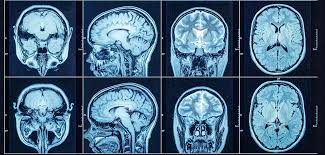
计算机断层扫描(CT扫描)

What Is a CT Scan?

A Computed Tomography (CT) scan is an imaging test that uses a combination of X-rays and computer technology to create detailed, cross-sectional images of the body. Unlike regular X-rays, CT scans show both soft tissues and bones with much greater clarity, almost like looking at slices of the body.


How CT Scans Are Used in Cancer

  1. Detection & Diagnosis
  • Identifies tumors that may not be visible on standard X-rays.
  • Helps distinguish between benign (non-cancerous) and suspicious growths.
  • Commonly used for cancers of the lungs, liver, pancreas, kidneys, brain, and bones.
  1. Staging
  • Determines the extent (stage) of cancer — whether it has spread to lymph nodes or other organs.
  • Guides treatment planning (surgery, radiation, chemotherapy).
  1. Treatment Monitoring
  • Shows whether tumors are shrinking, stable, or growing during therapy.
  • Detects treatment complications such as infection, bleeding, or organ damage.
  1. Guidance for Procedures
  • Assists in biopsies, surgeries, or radiation planning by providing precise maps of tumor location.


What to Expect During the Test

  • The procedure typically takes 10–30 minutes.
  • You lie on a table that moves through a circular scanner.
  • Sometimes a contrast dye (oral or intravenous) is used to highlight certain tissues.
    • You may feel warm or experience a metallic taste when the dye is injected.


Benefits

  • Provides highly detailed images of soft tissues, bones, and blood vessels.
  • Faster and more widely available than MRI.
  • Essential for cancer staging and follow-up.


Risks & Limitations

  • Radiation exposure: Higher than X-rays, though usually safe in medical use.
  • Contrast dye risks: May cause allergic reactions or kidney strain, especially in people with kidney disease.
  • Incidental findings: CT scans sometimes reveal abnormalities that are not cancer but may require additional testing.


Alternatives & Related Tests

  • MRI (Magnetic Resonance Imaging): Better for soft tissues, no radiation.
  • PET Scan: Shows cancer activity rather than anatomy.
  • Ultrasound: Useful for certain organs, radiation-free.
  • X-ray: Quick and simple, but less detailed.


Questions to Ask Your Doctor

  • Why do I need a CT scan instead of another imaging test?
  • Will I need contrast dye, and is it safe for me?
  • How often will CT scans be repeated during treatment?
  • What are the risks of repeated radiation exposure?
  • How will the results influence my treatment plan?


Patient Tips

  • Tell your doctor if you are pregnant, breastfeeding, or have kidney problems.
  • Remove jewelry, glasses, or anything metallic before the scan.
  • Drink plenty of fluids after the test if you received contrast dye, to help flush it out.
  • If you’ve had allergic reactions to contrast dye before, let the radiologist know.


References


了解精准检测

了解液体活检和化疗敏感性检测如何为您的护理方案提供个性化参考。

做出更明智的决策

获取相关知识,更积极地参与与医疗团队之间的护理讨论。

改善护理效果

了解精准医疗与代谢相关护理方式如何提升整体护理策略的参考价值。

今天就开始您的学习之旅

通过了解精准代谢肿瘤学相关知识,让自己更有力量,并在癌症护理过程中发挥更主动的参与作用。

需要更多信息?

我们的肿瘤相关专家团队可协助您理解诊断结果与护理方向选择。