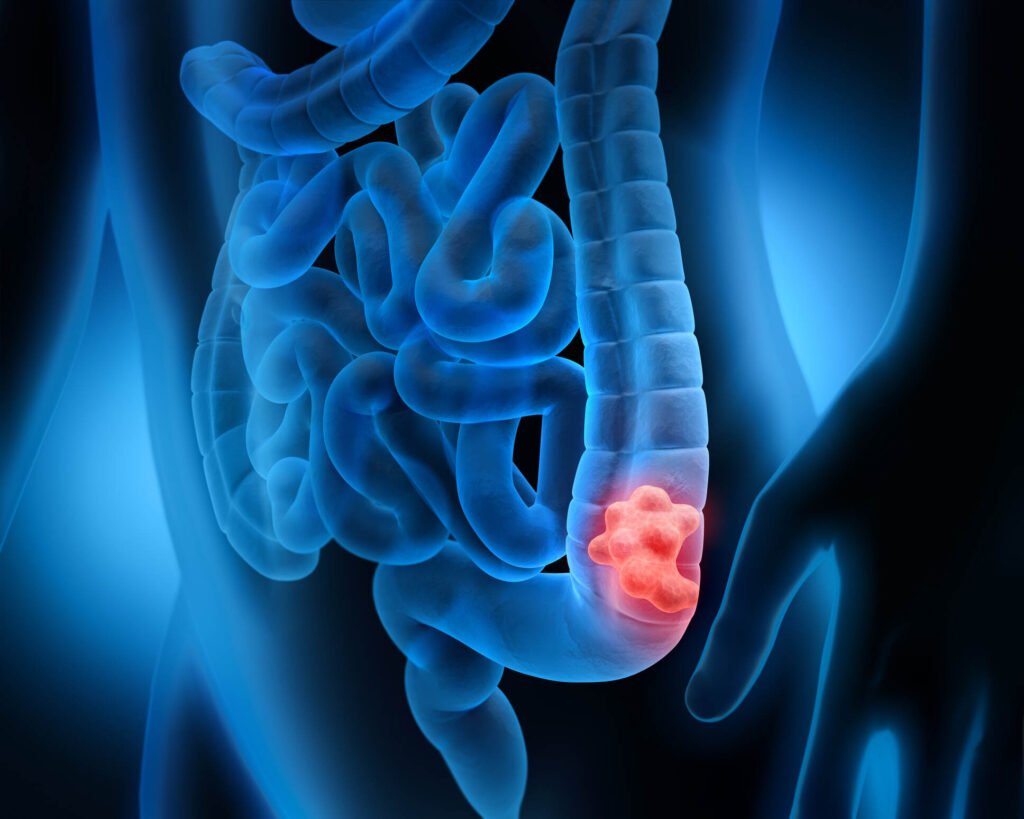
结肠镜检查

What Is a Colonoscopy?

A colonoscopy is a medical procedure that allows doctors to examine the inside of the large intestine (colon and rectum) using a long, flexible tube with a camera and light (a colonoscope).

It is considered the gold standard screening test for colorectal cancer because it can both detect and prevent cancer by identifying and removing precancerous polyps during the same procedure.


How Colonoscopy Is Used in Cancer

  1. Screening
  • Detects polyps (precancerous growths) and removes them before they turn into cancer.
  • Recommended for adults starting at age 45 (or earlier if high risk).
  1. Diagnosis
  • Confirms causes of rectal bleeding, chronic diarrhea, constipation, or abdominal pain.
  • Biopsies can be taken to check for colorectal cancer or other conditions.
  1. Surveillance
  • Monitors people with a history of polyps, colorectal cancer, or inflammatory bowel disease (IBD).


What to Expect During the Procedure

  1. Preparation (“Bowel Prep”)
    • You must drink a special liquid laxative to clean out the colon the day before.
    • A clear liquid diet is usually required for 24 hours before the test.
  2. During the Test
    • Sedation or anesthesia is given for comfort.
    • The colonoscope is inserted through the rectum and advanced through the colon.
    • Air or carbon dioxide is introduced to expand the colon for better visibility.
    • The doctor may remove polyps or take biopsies.
  3. After the Test
    • The procedure typically lasts 30–60 minutes.
    • Recovery from sedation may take another hour.
    • Mild bloating or cramping is common.


Benefits

  • Prevention and detection in one test (polyps removed before becoming cancer).
  • High accuracy for detecting colorectal cancer and precancerous changes.
  • Usually only required every 10 years for average-risk individuals.


Risks & Limitations

  • Bleeding or perforation (rare, especially if biopsy or polyp removal is performed).
  • Requires full bowel prep, which some patients find uncomfortable.
  • Sedation may cause temporary drowsiness.
  • Small polyps may occasionally be missed.


Alternatives & Related Tests

  • Flexible Sigmoidoscopy: Examines only the lower colon and rectum.
  • Stool Tests (FIT, FOBT, Stool DNA/Cologuard): Non-invasive but less sensitive; positive results require colonoscopy.
  • CT Colonography (Virtual Colonoscopy): Imaging-based, but still requires bowel prep and follow-up colonoscopy if abnormalities are found.


Questions to Ask Your Doctor

  • When should I start colonoscopy screening?
  • How often will I need to repeat it?
  • What happens if polyps are found?
  • Are there alternatives if I can’t tolerate colonoscopy?
  • What risks apply to my situation?


Patient Tips

  • Follow the bowel prep instructions carefully — a clean colon is essential for accurate results.
  • Arrange for someone to drive you home after the test because of sedation.
  • Wear loose clothing for comfort.
  • Ask in advance if you should stop blood thinners or other medications.


References


了解精准检测

了解液体活检和化疗敏感性检测如何为您的护理方案提供个性化参考。

做出更明智的决策

获取相关知识,更积极地参与与医疗团队之间的护理讨论。

改善护理效果

了解精准医疗与代谢相关护理方式如何提升整体护理策略的参考价值。

今天就开始您的学习之旅

通过了解精准代谢肿瘤学相关知识,让自己更有力量,并在癌症护理过程中发挥更主动的参与作用。

需要更多信息?

我们的肿瘤相关专家团队可协助您理解诊断结果与护理方向选择。