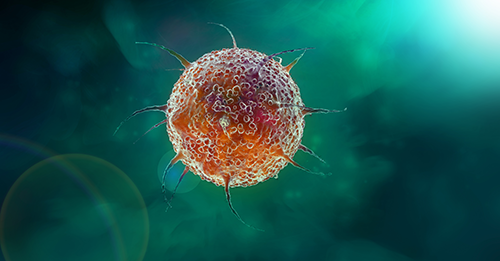
循环肿瘤细胞(CTCs)

What Are CTCs?

Circulating Tumor Cells (CTCs) are whole cancer cells that have broken away from a primary tumor and entered the bloodstream. Unlike ctDNA, which consists of DNA fragments, CTCs are intact living cells that carry genetic and protein information.

Studying CTCs provides insights into how cancer spreads (metastasis) and can be used for diagnosis, prognosis, and treatment monitoring through a simple blood test (liquid biopsy).


How CTC Testing Is Used in Cancer

  1. Detection
  • Helps identify the presence of cancer cells in the blood.
  • May detect cancers earlier than imaging in some cases (research ongoing).
  1. Prognosis
  • Higher numbers of CTCs are often linked to more aggressive disease and poorer outcomes.
  • Used in certain cancers (e.g., breast, prostate, colorectal) to predict survival.
  1. Treatment Monitoring
  • CTC counts can change with therapy:
    • Decrease → treatment is effective.
    • Increase → cancer may be progressing.
  • May detect progression earlier than scans.
  1. Research & Personalized Medicine
  • CTCs can be analyzed for genetic mutations and drug sensitivity.
  • Helps identify resistance mechanisms and potential new treatment targets.


What to Expect During the Test

  • A simple blood draw (like a standard lab test).
  • Blood is processed with special technology to isolate rare CTCs (often just a few cells among millions of blood cells).
  • Results are reported as the number of CTCs per blood volume and, in advanced labs, genetic analysis of the cells.


Benefits

  • Minimally invasive — only requires blood.
  • Can be repeated often to track cancer progression.
  • Provides information on both tumor genetics and cell behavior.
  • Useful in research for understanding metastasis.


Risks & Limitations

  • Low sensitivity: Not all cancers shed CTCs, and numbers may be very low.
  • Test methods vary between labs; not all are FDA-approved or standardized.
  • Clinical use is more established in some cancers (e.g., breast, prostate) than others.
  • Usually not a replacement for biopsy or imaging, but a complement.


Alternatives & Related Tests

  • ctDNA Testing: Looks for DNA fragments shed by tumor cells (often more sensitive).
  • Liquid Biopsy: Broad term that includes both CTCs and ctDNA.
  • NGS (Next-Generation Sequencing): Can be performed on CTCs or ctDNA.
  • Imaging & Tissue Biopsy: Still gold standard for diagnosis and staging.


Questions to Ask Your Doctor

  • Is CTC testing recommended for my type of cancer?
  • How will CTC results affect my treatment plan?
  • Should I have CTC tests regularly during therapy?
  • Is this test covered by insurance or part of a research study?
  • Will you test the CTCs for genetic or drug-resistance markers?


Patient Tips

  • Ask if your cancer type has validated CTC testing options.
  • Understand that CTC results are usually used together with imaging and other tests.
  • If CTCs are analyzed genetically, keep a copy of your report for future treatment decisions.
  • Consider clinical trials — many are exploring CTC-based therapies and monitoring.


References

With CTCs added, your Cancer A–Z now has a complete blood-based testing cluster:

  • ctDNA – genetic fragments from tumors
  • CTCs – whole tumor cells in the blood
  • Liquid Biopsy – umbrella term covering both


了解精准检测

了解液体活检和化疗敏感性检测如何为您的护理方案提供个性化参考。

做出更明智的决策

获取相关知识,更积极地参与与医疗团队之间的护理讨论。

改善护理效果

了解精准医疗与代谢相关护理方式如何提升整体护理策略的参考价值。

今天就开始您的学习之旅

通过了解精准代谢肿瘤学相关知识,让自己更有力量,并在癌症护理过程中发挥更主动的参与作用。

需要更多信息?

我们的肿瘤相关专家团队可协助您理解诊断结果与护理方向选择。