

Evidence-based guides to vitamins, minerals, herbal supplements, and sports nutrition—no hype, just facts.
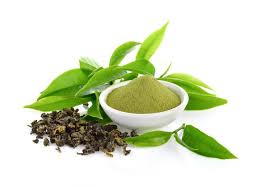
Vitanox is a carefully formulated herbal blend made from four well-studied botanicals: green tea extract (Camellia sinensis), rosemary (Rosmarinus officinalis), turmeric (Curcuma longa), and grape seed extract (Vitis vinifera). Each ingredient is standardized to ensure consistent levels of active compounds.
This natural combination has roots in traditional wellness systems.
Together, these four botanicals form Vitanox, a supplement valued for its broad wellness benefits, especially for individuals seeking natural support during their cancer care journey.
Many cancer patients explore natural substances that may help protect healthy cells, support the immune system, or promote overall resilience. Vitanox’s ingredients are widely researched for their potential supportive roles:
Antioxidant Protection
All four botanicals—particularly green tea, turmeric, and grape seed extract—are rich in antioxidants. These compounds help neutralize oxidative stress, which can be heightened during cancer and conventional treatments.
Anti-Inflammatory Support
Turmeric contains curcumin, known for promoting a balanced inflammatory response. Cancer patients often seek this support to help their bodies cope better with discomfort or systemic stress.
Immune Health
Green tea catechins and rosemary extracts have been studied for their ability to support healthy immune function, which is essential for patients undergoing treatment.
Cellular Wellness
Compounds from grape seed extract and green tea may support healthy cellular signaling and protect normal cells from environmental stressors.
While Vitanox is not a treatment for cancer, its herbal components may offer supportive benefits that help patients feel stronger and more balanced during their journey.
Cancer patients commonly look for natural options that complement their medical care. Vitanox may be appealing because:
For individuals seeking gentle, natural support for their wellness, Vitanox can be a meaningful addition to their integrative care approach.
Vitanox is often considered by patients undergoing chemotherapy, targeted therapy, radiation, or immunotherapy because of its supportive properties.
Safety Considerations
Potential for Reducing Side Effects
The antioxidant and anti-inflammatory qualities of turmeric, green tea, and grape seed extract may help patients feel relief from:
While not a replacement for medical treatment, these natural compounds may help patients tolerate therapy better.
Always coordinate with your oncologist or healthcare practitioner before starting any new supplement.
Best Timing
Many patients take Vitanox:
Forms Available
Vitanox is typically available as a standardized capsule supplement. Its ingredients also exist naturally in foods:
However, the standardized capsule form ensures patients receive consistent levels of beneficial compounds, which is difficult to achieve from diet alone.
Usage Tips
Modern liquid biopsy tests can study circulating tumor cells (CTCs) in the bloodstream. These tools give doctors and patients additional insight into how cancer behaves and how the body responds to different supportive substances.
Some patients use this information to personalize their wellness plans, helping identify which natural substances may be more suitable for them.
Vitanox is a natural, synergistic blend that combines the strengths of four powerful herbs known for supporting antioxidant defenses, immune balance, and overall wellness. For cancer patients, it may offer additional comfort and resilience—especially when paired thoughtfully with medical treatment and guidance from healthcare professionals.
Choosing natural supplements wisely can help patients feel more supported through each phase of their journey.
References
Ahmad, N., & Mukhtar, H. (2010). Green tea polyphenols and cancer prevention. Food and Chemical Toxicology, 48(12), 3431–3436.
Aggarwal, B. B., & Harikumar, K. B. (2009). Potential therapeutic effects of curcumin. The International Journal of Biochemistry & Cell Biology, 41(1), 40–59.
Ho, C., & Hwang, L. (2013). Rosemary extract and antioxidant activity. Journal of Food Science, 78(3), 541–548.
Leifert, W. R., & Abeywardena, M. Y. (2008). Grape seed polyphenols and health benefits. Nutrition Research, 28(11), 729–737.
Singh, M., & Singh, S. (2019). Herbal extracts and supportive cancer care. Integrative Cancer Therapies, 18, 1–12.
本文内容仅供教育及资讯参考之用,并不能替代专业医疗建议、诊断或护理方案。癌症患者在开始任何新的营养补充品或天然护理方案前,应先咨询医生或合资格的医疗专业人员。

Learn how precision medicine can help with your cancer treatment

The effectiveness of cancer treatment varies among each patient.