

Evidence-based guides to vitamins, minerals, herbal supplements, and sports nutrition—no hype, just facts.
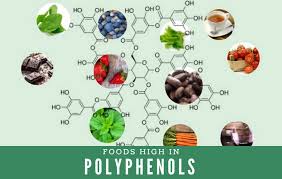
Resveratrol is a naturally occurring polyphenol found in several plants, especially those that produce dark-colored fruits. It is commonly associated with the “French Paradox” due to its presence in red wine and its potential heart-health benefits.
Natural dietary sources include:
Plants produce resveratrol as a protective compound, and this same protective nature is one of the reasons it has become popular in integrative wellness, especially for patients seeking antioxidant and cellular support.
Resveratrol supplements typically come from Japanese knotweed (Polygonum cuspidatum) or grape extracts for a reliable, concentrated dose.
Resveratrol is not a cancer treatment, but it has multiple biological activities that may help support patients during their wellness journey.
Powerful Antioxidant Properties
Cancer treatments often produce high levels of oxidative stress. Resveratrol helps neutralize free radicals, protecting healthy cells and supporting recovery.
Anti-Inflammatory Support
Resveratrol may help reduce inflammation throughout the body, which can ease:
Cellular and Mitochondrial Support
Resveratrol is known to activate certain cellular pathways (such as SIRT1) that support:
These functions may help patients maintain strength and vitality during prolonged treatment.
Immune Wellness
Some research suggests resveratrol may help modulate immune responses and support defense mechanisms when the body is under stress.
Cancer patients may be drawn to resveratrol because:
For those seeking a natural compound that supports whole-body wellness, resveratrol is a popular choice in integrative care.
Safety and Interactions
Resveratrol is usually well tolerated, but cancer patients should consult their doctor because:
Potential Relief for Treatment Side Effects
Some patients use resveratrol to help manage:
Although benefits vary from person to person, resveratrol’s strong antioxidant activity may help improve overall comfort during treatment.
Best Timing
Resveratrol is best taken:
Forms Available
Resveratrol is available as:
Usage Tips
Modern liquid biopsy tests can analyze circulating tumor cells (CTCs) in the bloodstream. These insights may help patients understand cancer behavior and how their body responds to supportive substances.
Some individuals use this information to help personalize their wellness choices, determining whether natural compounds like resveratrol may complement their overall care strategy.
Resveratrol is a powerful plant-derived antioxidant known for supporting inflammation balance, cellular repair, and overall vitality. For cancer patients, it may help improve wellness, resilience, and comfort during treatment — especially when integrated responsibly with professional guidance.
With its strong scientific interest and wide-ranging supportive effects, resveratrol remains a trusted natural ally in holistic wellness planning.
References
Baur, J. A., & Sinclair, D. A. (2006). Therapeutic potential of resveratrol: Antioxidant and cellular regulation. Nature Reviews Drug Discovery, 5(6), 493–506.
Gambini, J., et al. (2015). Anti-inflammatory and antioxidant effects of resveratrol. Biochemical Pharmacology, 98(1), 109–118.
Li, Y. R., Li, S., & Lin, C. C. (2018). Resveratrol as a natural antioxidant. Aging and Disease, 9(5), 921–935.
Ramírez-Garza, S. L., et al. (2018). Dietary sources and biological activities of resveratrol. Nutrients, 10(12), 1891.
Walle, T. (2011). Bioavailability and metabolism of resveratrol. Annals of the New York Academy of Sciences, 1215(1), 9–15.
本文内容仅供教育及资讯参考之用,并不能替代专业医疗建议、诊断或护理方案。癌症患者在开始任何新的营养补充品或天然护理方案前,应先咨询医生或合资格的医疗专业人员。

Learn how precision medicine can help with your cancer treatment

The effectiveness of cancer treatment varies among each patient.