

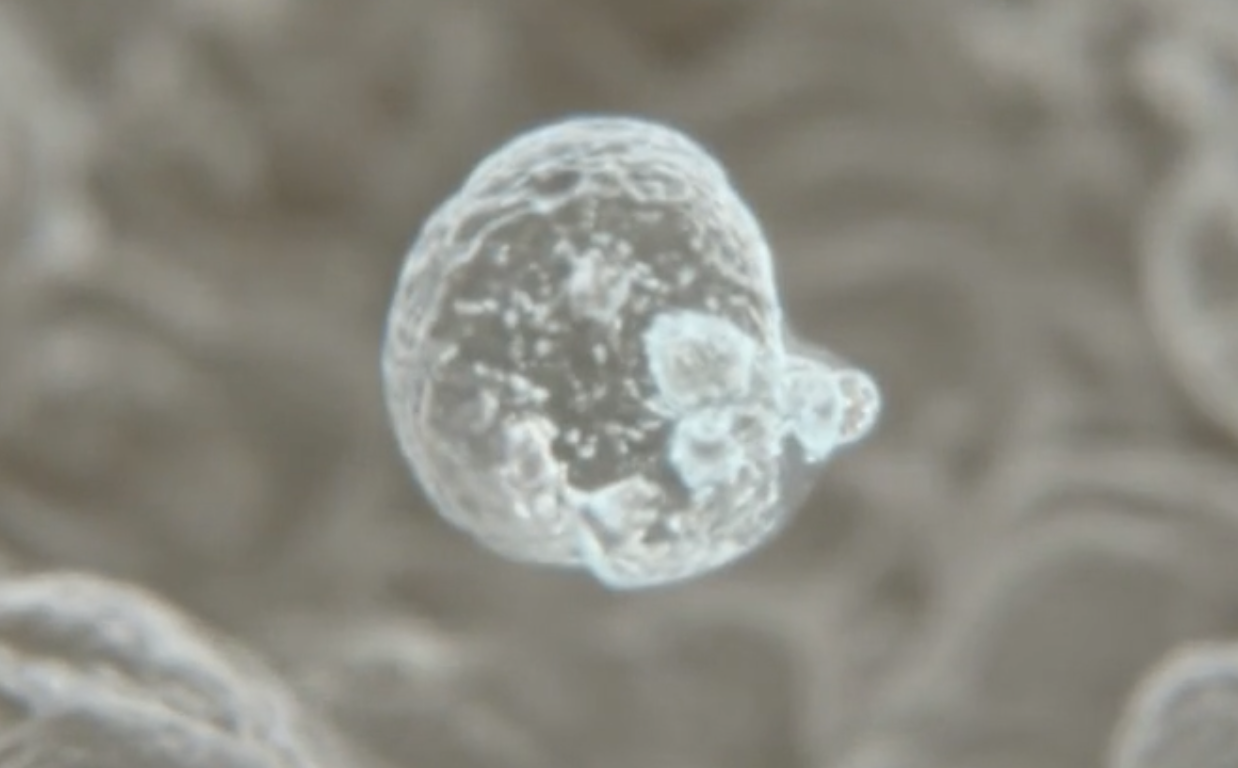
A tissue biopsy is the removal of a small piece of tissue for examination under a microscope. This can be done in different ways, depending on where the abnormal area is located. Some biopsies are performed with a needle, while others may be done during endoscopy or surgery. The purpose is the same: to obtain actual tissue so a pathologist can study the cells directly.
Compared with tests that look only at images or fluids, a tissue biopsy often gives doctors a clearer picture of what is happening at the cellular level. A pathologist can examine the sample to identify whether the cells are benign, precancerous, or malignant, and in many cases can also identify the specific type of cancer. The pathology report that follows may include important details such as tumor type, grade, lymph node status, margin status, stage, and sometimes biomarker results.
Tissue biopsy is often one of the first major steps in cancer diagnosis because it helps confirm what is actually happening inside the body. A scan may show a lump or suspicious area, but it usually cannot tell with certainty whether that finding is cancer. A biopsy helps answer that question more directly by allowing doctors to examine real tissue from the area of concern.
This is especially important because not every abnormal finding turns out to be cancer. Some masses or lesions may be related to inflammation, infection, scar tissue, or other noncancerous conditions. A tissue biopsy helps doctors distinguish among these possibilities so that next steps are based on evidence rather than guesswork.
Once the tissue sample is collected, it is examined by a pathologist, a doctor who specializes in studying cells and tissues. The pathologist looks at the sample under the microscope to identify what kinds of cells are present, how they are arranged, and whether they show features of cancer. The American Cancer Society notes that the pathologist sends a report with a diagnosis for each sample, and this information is then used to help manage care.
Tissue biopsy can also help doctors understand how aggressive a tumor may be. In many cases, doctors need to study a tissue sample to decide not only whether it is cancer, but also what grade it is. NCI explains that a pathologist determines tumor grade by studying biopsy samples under a microscope, and that grade can provide clues about how quickly the cancer is likely to grow or spread.
After the biopsy, the tissue is processed in the laboratory and reviewed carefully. This leads to a pathology report, which is one of the most important documents in cancer diagnosis. The National Cancer Institute says the diagnosis section of the pathology report identifies the cancer type and may also include findings such as tumor grade, lymph node status, margin status, stage, and molecular characteristics.
In some cancers, the biopsy sample may also be used for biomarker testing. Biomarker testing looks for genes, proteins, or other molecules in the cancer that may help guide treatment decisions. NCI explains that biomarker testing finds changes in a cancer that could help doctors choose treatment, and that these tests can be performed using tissue, blood, or other body fluid samples.
Because cancer care is rarely based on one piece of information alone, biopsy findings often become the foundation for many of the next decisions. Knowing the cell type, tumor grade, and biomarker status can help doctors decide what additional tests may be needed and what treatment options may be most appropriate. NCI notes that molecular tests included in pathology reports can help identify which treatments are best for an individual patient.
This is one reason tissue biopsy is more than just a diagnostic procedure. It is also a way of building a clearer biological picture of the cancer. The more accurately doctors understand the tissue they are dealing with, the better informed the discussion can be about treatment planning, prognosis, and follow-up.
The effectiveness of cancer treatment varies among each patient.
Cancer can be complex, and the biology of a tumor may not always be fully understood from imaging alone. Tissue biopsy provides information that helps explain what is happening inside the body at the cellular level, and in some situations additional pathology or biomarker testing on that tissue may give doctors more insight into the cancer’s behavior. NCI notes that biomarker testing is part of modern cancer care because it can help guide treatment decisions.
That does not mean every patient will need the same tests or the same number of procedures. It means that having more accurate information from the tissue itself may support more informed discussions about care. Cancer decisions are complex and should always be interpreted by qualified medical professionals in the context of the full clinical picture.
A tissue biopsy helps doctors understand the type of cells involved and confirm what is happening inside the body. It is often one of the first major steps in understanding cancer because it can turn an abnormal finding into a clearer diagnosis. It may also provide important information about tumor grade, pathology, and biomarkers that can help guide next decisions.
For patients and families, a biopsy can feel like a stressful step, but it is also one of the most informative ones. The more clearly the tissue is understood, the better prepared doctors and patients may be to have informed, evidence-based conversations about what comes next.
At Cancer A-Z, you can request a 15 mins free-of-charge discussion with our cancer professionals.
National Cancer Institute. Tests and Procedures Used to Diagnose Cancer.
https://www.cancer.gov/about-cancer/diagnosis-staging/diagnosis
American Cancer Society. Biopsy and Cytology Tests.
https://www.cancer.org/cancer/diagnosis-staging/tests/biopsy-and-cytology-tests.html
American Cancer Society. Understanding Your Pathology Report.
https://www.cancer.org/cancer/diagnosis-staging/tests/biopsy-and-cytology-tests/understanding-your-pathology-report.html
National Cancer Institute. Surgical Pathology Reports.
https://www.cancer.gov/about-cancer/diagnosis-staging/diagnosis/pathology-reports-fact-sheet
National Cancer Institute. Tumor Grade.
https://www.cancer.gov/about-cancer/diagnosis-staging/diagnosis/tumor-grade
National Cancer Institute. Biomarker Testing for Cancer Treatment.
https://www.cancer.gov/about-cancer/treatment/types/biomarker-testing-cancer-treatment
National Cancer Institute. Definition of Biomarker Testing.
https://www.cancer.gov/publications/dictionaries/cancer-terms/def/biomarker-testing
Precision medicine provides patients with clearer and more personalized treatment guidelines


Learn how precision medicine can help with your cancer treatment

The effectiveness of cancer treatment varies among each patient.