Supporting clearer and more informed treatment decisions
To support improved treatment outcomes by helping identify treatments that may be more effective for your specific cancer — while helping minimise unnecessary side effects from less effective treatments.
What is a Personalised Cancer Plan? What you can benefit from it?
Cancer treatment involves many important decisions. These decisions are guided by your doctor using clinical evaluation, imaging, pathology, and established medical guidelines.
Advances in precision medicine now allow doctors to better understand cancer at a biological level. This additional insight may help support treatment planning and monitoring.
A personalised cancer plan combines standard medical care with biological information to help guide treatment decisions that are appropriate for your individual condition.
The goal is to support improved treatment outcomes by helping identify treatments that may be more effective for your specific cancer
Have you ever wondered why a cancer treatment that works for one person may not work for another?
It Is Because Every Cancer Is Unique
Even when two patients have the same type and stage of cancer, their tumours may behave differently. This means the same treatment may work well for one person but less effectively for another.
This is because cancer cells can differ in:
– growth behaviour
– treatment response
– ability to adapt over time
Understanding the biology of your cancer may help your doctor guide more personalised treatment decisions.
Liquid Biopsy: A New Window Into Tumor Behaviour
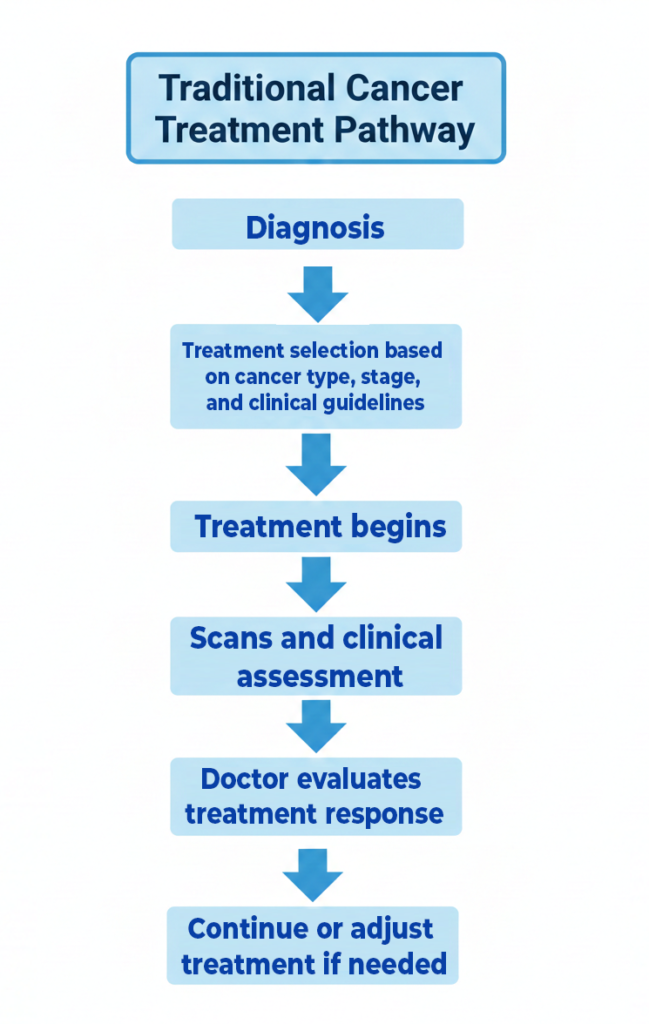
Traditionally, doctors evaluate whether a treatment is working only after it has begun — often weeks or months later. During this period, patients may experience side effects without clarity about effectiveness.
Liquid biopsy is a developing tool that may help address some of this uncertainty.
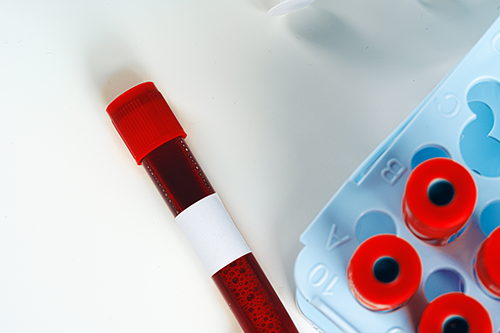
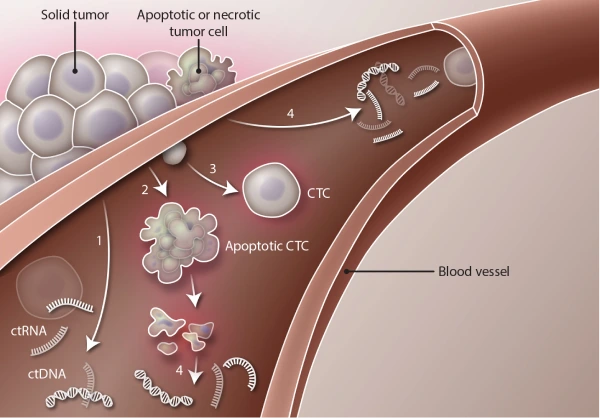
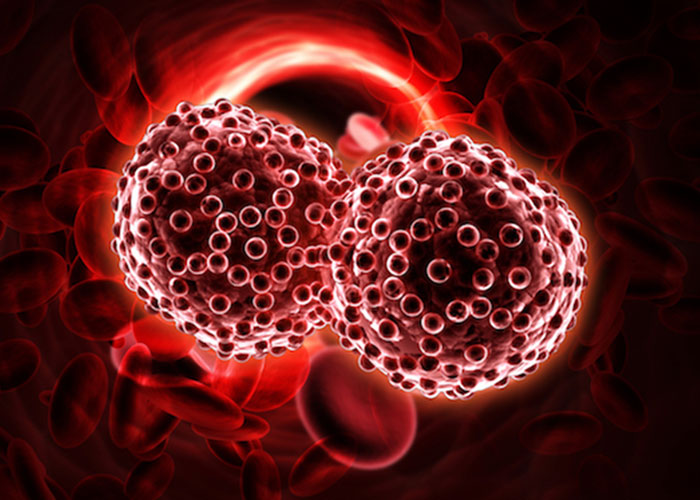
A liquid biopsy is a simple blood test that analyzes cancer-related components circulating in the bloodstream. Among these are circulating tumor cells (CTCs) — intact tumor cells that have entered the blood from the primary tumor or metastatic sites.
Because CTCs reflect real-time tumor activity, they may offer additional insight into how the cancer is behaving at a given moment.
Cancer treatment has traditionally been guided by clinical guidelines, imaging, and clinical assessment.
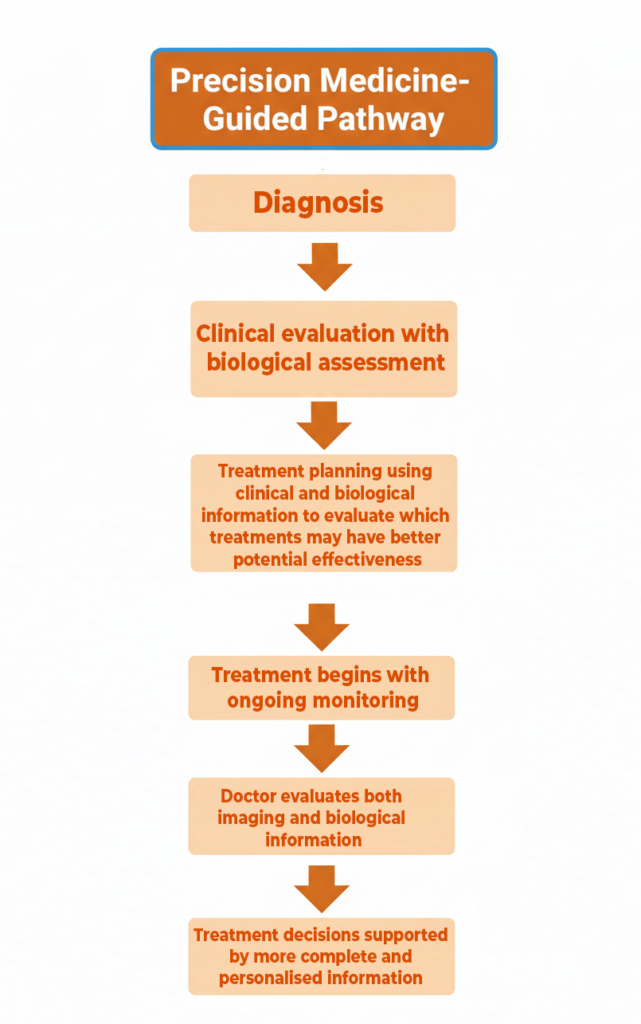
Precision medicine adds biological information to support treatment decisions.
Precision medicine supports your doctor by providing additional biological information to help guide the selection and sequencing of treatment options. It helps improve treatment outcomes by supporting the selection of treatments that may be more effective for your specific cancer.
How Precision Medicine Helps
Precision medicine provides additional information about how cancer behaves at a biological level.
This may help your doctor:
better understand your cancer
monitor treatment response
evaluate treatment effectiveness
guide ongoing treatment decisions
It works alongside standard cancer care to support more informed treatment planning.
Liquid biopsy is a blood test that detects cancer-related biological information in the bloodstream.
This may include:
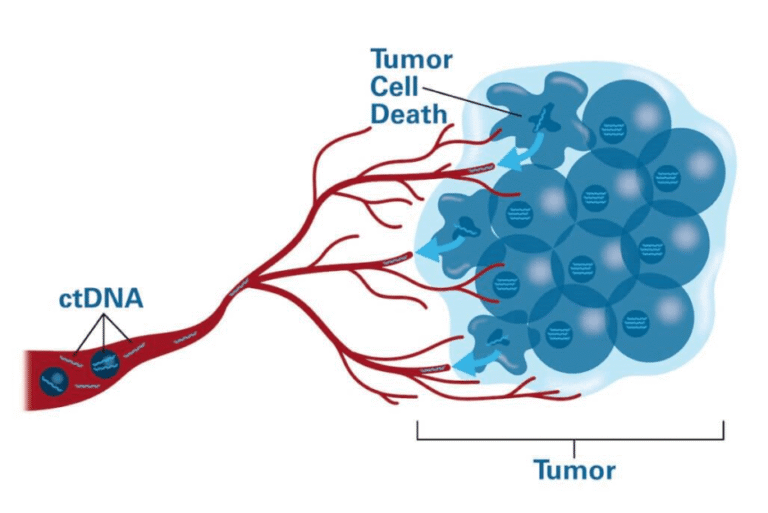
Circulating tumour DNA (ctDNA) Genetic material from cancer cells, providing mutation information.
Circulating tumour cells (CTCs) Whole cancer cells that may provide insight into tumour behaviour and, in some cases, drug sensitivity.
This test complements scans and other clinical evaluations.
ctDNA provides
• genetic mutation information • tumour genetic profile
ctDNA is often present in very low quantities, especially in early-stage cancers
CTCs provide
whole cancer cells for analysis
insight into tumour behaviour
potential evaluation of drug response
CTCs can be isolated from blood samples and cultured to evaluate their response to various cancer drugs and natural substances
What CTC tests can provide?
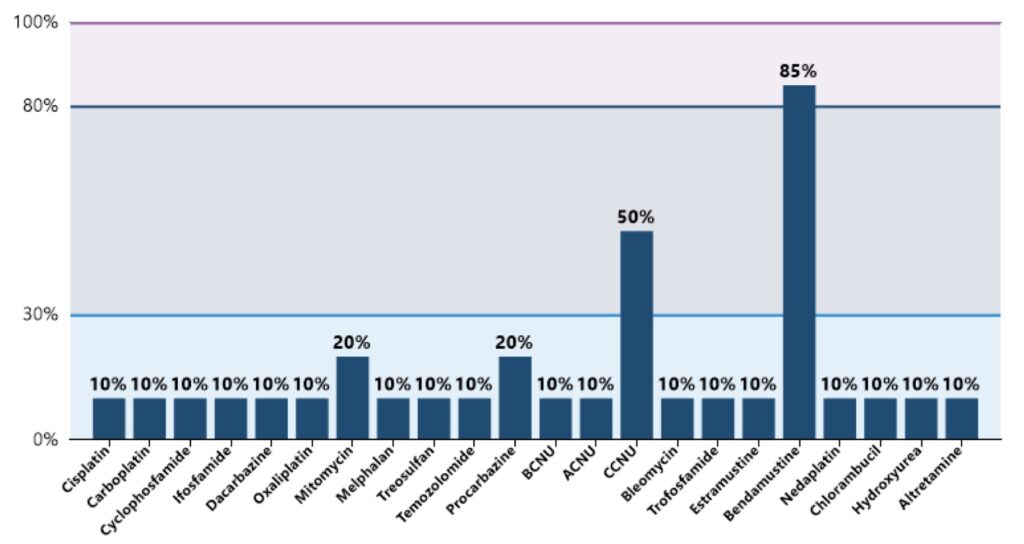
Here is a sample CTC report showing that the chemotherapy drug Bendamustine may be more effective against the patient’s specific cancer.
This kind of information helps practitioners and patients with treatment planning
Contact our Professional Team for Liquid Biopsy
What is your benefit?
To support improved treatment outcomes by helping identify treatments that may be more effective for your specific cancer — while helping minimise unnecessary side effects from less effective treatments.