

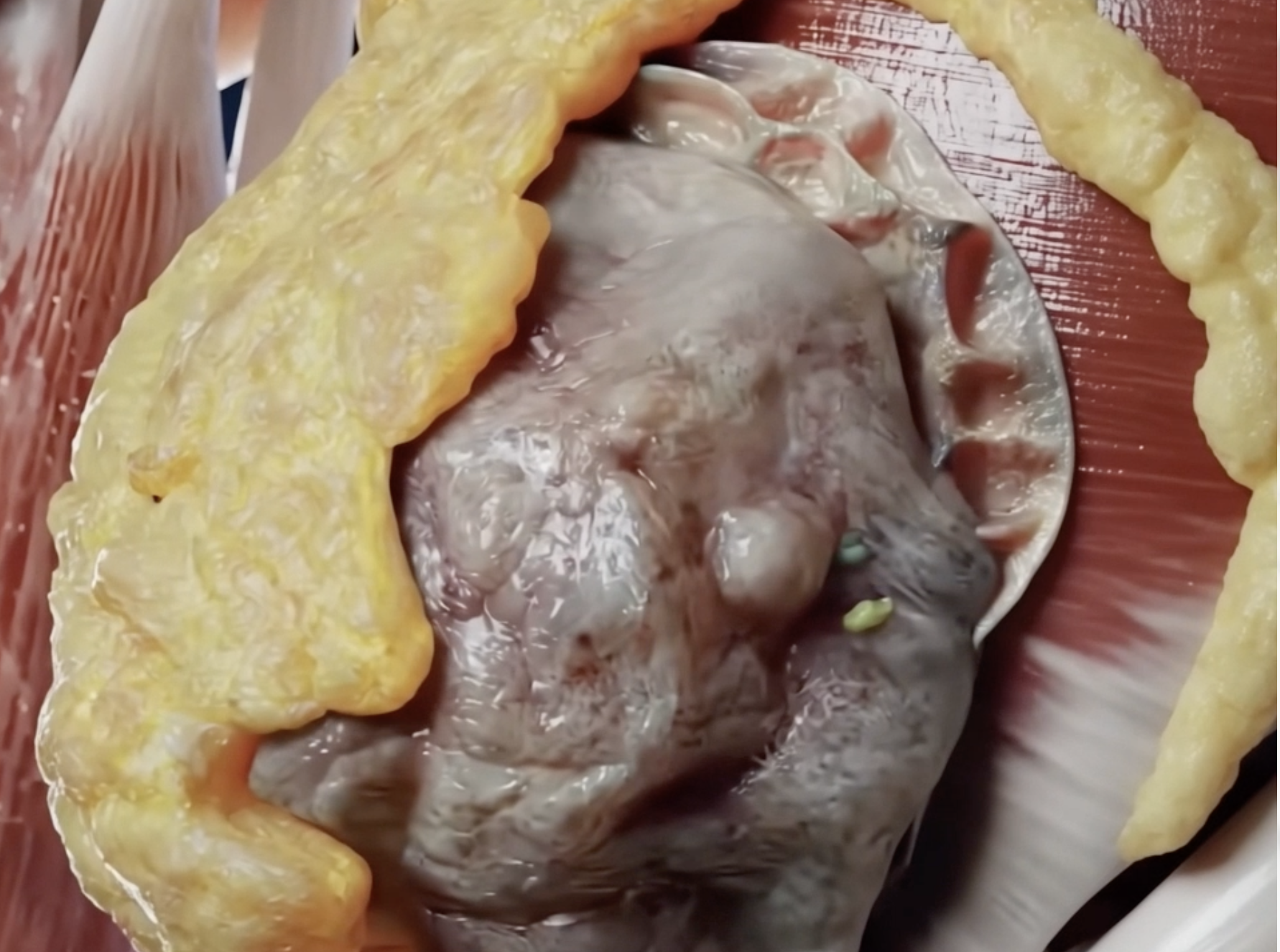
Breast cancer is cancer that starts in the tissues of the breast. It most often begins in the ducts, which carry milk to the nipple, or in the lobules, which make milk. Different types of breast cancer can behave differently, which is why diagnosis often involves more than simply confirming that cancer is present.
Some breast cancers stay limited to the breast for a period of time, while others can grow more aggressively or spread to lymph nodes and other organs. This is one reason doctors often use imaging, biopsy, tumor grade, stage, and biomarker testing together to understand the full picture.
Like many cancers, breast cancer develops because of changes in genes that affect how cells grow, divide, and repair themselves. When enough harmful changes build up, cells may stop responding normally to the body’s control systems and continue growing when they should not. NCI explains that cancer is caused by certain changes in genes that control the way cells function, especially how they grow and divide.
Not all breast cancers behave the same way. Some grow slowly, while others are more aggressive. That difference is why doctors often look closely at tumor grade, subtype, and biomarkers such as hormone receptors or HER2 status after a biopsy. These features can affect both prognosis and treatment planning.
One reason breast cancer can be difficult to notice early is that it does not always cause obvious symptoms at first. The American Cancer Society notes that finding breast cancer early gives a better chance of successful treatment, and screening mammograms may detect breast cancer before it can be felt.
This means a person may have early breast cancer and feel completely normal. In some cases, the first clue is found on a screening mammogram rather than from pain or a visible change. That is one reason early detection and routine screening discussions are so important.
When symptoms do occur, they can include a new breast lump, swelling in part of the breast, skin irritation or dimpling, breast or nipple pain, nipple inversion, redness or thickening of the nipple or breast skin, nipple discharge other than breast milk, or a lump in the underarm area. These symptoms do not always mean cancer, but they should not be ignored if they persist or worsen.
Breast cancer can also occur in men, although it is much less common. The American Cancer Society notes that breast cancer in men is rare but can happen, and symptoms such as a lump under or near the nipple should still be evaluated.
Screening matters because it can help find breast cancer before it causes symptoms. NCI states that mammograms can detect breast cancer early, possibly before it has spread. The American Cancer Society also explains that different tests can be used to look for and diagnose breast cancer, especially if a mammogram finds an area of concern.
Early detection does not guarantee a specific outcome, but it often gives doctors more options and may improve the chance of successful treatment. This is why breast cancer awareness is not only about noticing symptoms but also about understanding when screening may be appropriate.
The effectiveness of cancer treatment varies among each patient.
Screening and imaging tests can suggest that breast cancer may be present, but they usually cannot confirm it on their own. A biopsy is typically needed to know for sure whether cancer is present and what type of cells are involved. NCI’s breast cancer diagnosis information explains that tumor grade and other details come from examining the biopsy sample under the microscope.
This is an important step because the biopsy can do more than confirm cancer. It can also help identify the type of breast cancer, how abnormal the cells look, and whether certain biomarkers are present. Those details are often essential for deciding what comes next.
Breast cancer care often feels highly individualized because not all breast cancers are biologically the same. Stage, tumor grade, hormone receptor status, HER2 status, and other pathology findings can all affect prognosis and treatment recommendations. NCI notes that breast cancer stage is based on TNM status, biomarkers, and tumor grade.
That is why two people with breast cancer may not receive the same treatment plan. Even when the cancer begins in the same organ, the biology of the tumor can differ in important ways.
Breast cancer can begin quietly, which is why awareness, screening, and timely evaluation matter so much. Some cancers are found before symptoms appear, while others are discovered only after a lump or other change becomes noticeable. Understanding how breast cancer develops can help patients and families make more sense of the steps that follow, from screening and biopsy to staging and treatment planning.
For patients and families, one of the most useful questions is often not just “Do I have symptoms?” but “What testing or follow-up makes sense for me?” That conversation is best guided by qualified medical professionals and evidence-based care.
At Cancer A-Z, you can request a 15 mins free-of-charge discussion with our cancer professionals.
National Cancer Institute. Breast Cancer.
https://www.cancer.gov/types/breast
National Cancer Institute. How Is Breast Cancer Diagnosed?
https://www.cancer.gov/types/breast/diagnosis
National Cancer Institute. Breast Cancer Stages.
https://www.cancer.gov/types/breast/stages
National Cancer Institute. Treatment for Breast Cancer.
https://www.cancer.gov/types/breast/treatment
American Cancer Society. Breast Cancer Information & Overview.
https://www.cancer.org/cancer/types/breast-cancer.html
American Cancer Society. Breast Cancer Signs and Symptoms.
https://www.cancer.org/cancer/types/breast-cancer/screening-tests-and-early-detection/breast-cancer-signs-and-symptoms.html
American Cancer Society. Breast Cancer Early Detection and Diagnosis.
https://www.cancer.org/cancer/types/breast-cancer/screening-tests-and-early-detection.html
American Cancer Society. Understanding a Breast Cancer Diagnosis.
https://www.cancer.org/cancer/types/breast-cancer/understanding-a-breast-cancer-diagnosis.html
American Cancer Society. Signs and Symptoms of Breast Cancer in Men.
https://www.cancer.org/cancer/types/breast-cancer-in-men/detection-diagnosis-staging/signs-symptoms.html
Precision medicine provides patients with clearer and more personalized treatment guidelines


Learn how precision medicine can help with your cancer treatment

The effectiveness of cancer treatment varies among each patient.