

Cancer is often thought of as a disease confined to one location. However, in many cases, cancer can spread to other parts of the body. This process, known as metastasis, is responsible for the majority of cancer-related complications.
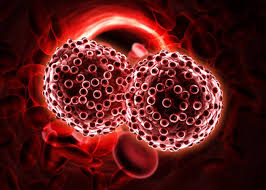
One key mechanism behind this spread involves circulating tumor cells (CTCs)—cancer cells that detach from the original tumor and travel through the bloodstream.
Circulating tumor cells are cancer cells that have shed from a primary tumor (or metastatic site) and entered the blood or lymphatic system.
They are typically very rare—often just a few cells among billions of normal blood cells—but they may play an important role in how cancer spreads.
The effectiveness of cancer treatment varies among each patient.
Cancer cells first need to break away from the original tumor mass.
This often involves biological changes that make them more mobile and less attached to surrounding tissue.
After detaching, cancer cells invade surrounding tissue and move toward nearby blood vessels.
Cancer cells then enter the bloodstream through a process called intravasation.
This can occur in two main ways:
Recent research also suggests that clusters of tumor cells may interact with and disrupt vessel walls, making entry easier.
The bloodstream is a harsh environment. Many cancer cells do not survive due to:
In fact, most circulating tumor cells are eliminated, and only a small fraction survive.
Some cells develop strategies to survive, such as traveling in clusters, which may increase their chances of survival and spread.
Surviving cancer cells may attach to blood vessel walls and exit into distant tissues.
This step is known as extravasation.
If these cells successfully adapt to the new environment, they may begin to grow and form secondary tumors.
This entire journey—from tumor to bloodstream to new site—is often called the metastatic cascade.
CTCs are considered a key part of cancer progression because they:
However, it is important to note that not all circulating tumor cells lead to metastasis. Many are destroyed before they can establish new tumors.
Precision medicine provides patients with clearer and more personalized treatment guidelines


Learn how precision medicine can help with your cancer treatment

The effectiveness of cancer treatment varies among each patient.