

Evidence-based guides to vitamins, minerals, herbal supplements, and sports nutrition—no hype, just facts.
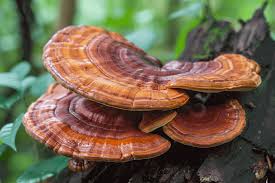
Reishi mushroom (Ganoderma lucidum) is a medicinal fungus highly valued in traditional Chinese and Japanese medicine for over 2,000 years. Known as the “Mushroom of Immortality”, it has historically been used to promote longevity, vitality, and inner balance.
Reishi naturally grows on decaying hardwood trees, especially in humid forest environments. Because it is rare in the wild, most modern Reishi products come from controlled cultivation, ensuring purity and consistent levels of active compounds such as:
These compounds contribute to Reishi’s reputation as a powerful immune-supporting and stress-balancing natural remedy.
Cancer patients often look for natural substances that can support their immune system, energy levels, and emotional well-being. Reishi’s diverse bioactive compounds may offer several supportive benefits.
Immune Modulation
Reishi is well known for its ability to support immune balance. Its beta-glucans may help strengthen immune responses when needed while preventing excessive inflammatory reactions.
Anti-Inflammatory and Antioxidant Effects
Cancer and conventional treatments often increase oxidative stress and inflammation. Reishi’s triterpenes and polysaccharides help provide antioxidant protection, supporting cellular wellness and easing physical stress.
Energy & Fatigue Support
Some patients report improved stamina and reduced fatigue when using Reishi, likely due to its adaptogenic properties — helping the body cope with emotional and physical stress.
Overall Wellness and Mood Balance
Reishi is traditionally used to support sleep, stress reduction, and emotional calmness, which can be helpful during the uncertainties of cancer care.
While Reishi is not a medical treatment for cancer, it may provide gentle supportive benefits that help patients feel stronger and more balanced.
Reishi is popular among cancer patients because:
Its wide range of supportive effects makes Reishi an attractive option for patients seeking natural, holistic wellness.
Safety and Interactions
Reishi is generally regarded as safe, but patients undergoing cancer treatment should be aware of:
Potential to Reduce Treatment Side Effects
Patients often take Reishi to help ease symptoms such as:
Its calming and immune-supportive properties may help patients feel more resilient during chemotherapy, targeted therapy, or radiation treatment — but this should always be done under medical guidance.
The effectiveness of cancer treatment varies among each patient.
Best Timing
Reishi is typically taken:
Forms Available
Reishi is available as:
Extracts standardized for beta-glucans or triterpenes often provide the most consistent results.
Usage Tips
Modern liquid biopsy methods can analyze circulating tumor cells (CTCs) in the bloodstream. These insights may help patients and clinicians better understand cancer behavior and how the body may respond to different supportive substances.
Some patients use this information to help personalize their wellness approach, including exploring which natural compounds like Reishi may suit them better.
Reishi mushroom is one of the most respected traditional herbal remedies for supporting immunity, balance, and overall resilience. For cancer patients, it may help promote calmness, reduce fatigue, ease inflammation, and support wellness throughout treatment.
With its rich history, strong adaptogenic qualities, and excellent safety profile, Reishi can be a valuable natural companion — especially when used alongside medical guidance.
References
Bao, X., Fang, J., & Li, X. (2001). Structural and biological activities of polysaccharides from Ganoderma lucidum. International Journal of Biological Macromolecules, 28(4-5), 259–263.
Bishop, K. S., Kao, C. H., Xu, Y., Glucina, M. P., & Ferguson, L. R. (2015). From 2,000 years of Ganoderma lucidum research to recent developments in nutraceuticals. Applied Microbiology and Biotechnology, 99(9), 3551–3561.
Chen, S., Oh, S. R., Phung, S., Hur, G., & Kolev, M. (2010). Anti-inflammatory and antioxidant activities of triterpenes from Reishi. Journal of Ethnopharmacology, 130(3), 463–470.
Wachtel-Galor, S., & Benzie, I. F. F. (2011). Biological properties of Ganoderma lucidum in cancer management. Integrative Cancer Therapies, 10(4), 276–289.
Zhu, M., Chang, Q., Wong, L. K., Chong, F. S., & Li, R. C. (1999). Triterpene antioxidant effect of Reishi. Life Sciences, 65(13), 1393–1400.
This article is for educational purposes only and is not intended to replace professional medical advice, diagnosis, or treatment. Cancer patients should always consult their doctors or qualified healthcare providers before starting any new supplement or natural therapy.
Precision medicine provides patients with clearer and more personalized treatment guidelines

Learn how precision medicine can help with your cancer treatment

The effectiveness of cancer treatment varies among each patient.