

Evidence-based guides to vitamins, minerals, herbal supplements, and sports nutrition—no hype, just facts.
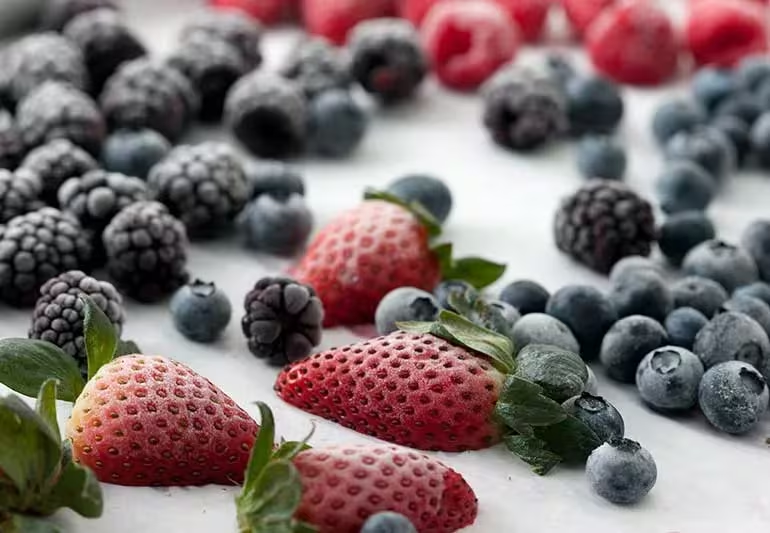
Quercetin is a naturally occurring bioflavonoid found in many colorful fruits, vegetables, and medicinal plants. It is widely recognized for its antioxidant power and has been used for centuries in traditional herbal practices.
Quercetin is especially abundant in:
This vibrant plant pigment contributes to the color of many foods and plays an important role in protecting plants from environmental stress. Today, quercetin is commonly available as a dietary supplement because achieving therapeutic levels from food alone can be challenging.
Quercetin is not a cancer treatment, but its biological properties may offer supportive benefits that help patients feel better during and after cancer therapy.
Antioxidant Support
Cancer treatment often increases oxidative stress. Quercetin helps neutralize free radicals, offering protection to healthy cells and supporting overall cellular wellness.
Anti-Inflammatory Properties
Quercetin may help regulate inflammatory pathways, easing:
This can be valuable for patients experiencing inflammation from chemotherapy or radiation.
Immune Balance
Some research suggests quercetin may help modulate immune responses, supporting the body’s natural defense systems during recovery.
Histamine and Allergy Relief
Quercetin is known to help stabilize mast cells, which may reduce:
Energy and Recovery Support
Because quercetin assists cellular protection and stress balance, some patients feel improvements in stamina and general well-being.
Cancer patients may choose quercetin because:
For those seeking a gentle, multi-functional supplement, quercetin is often a top consideration.
Safety and Interactions
Quercetin is generally safe, but cancer patients should always consult their medical team because:
Potential to Reduce Treatment Side Effects
Some patients take quercetin to help alleviate:
By supporting cellular and immune balance, quercetin may help patients tolerate treatment more comfortably.
The effectiveness of cancer treatment varies among each patient.
Best Timing
Quercetin is typically taken:
Forms Available
Quercetin supplements come in several forms:
Usage Tips
Modern liquid biopsy tests can analyze circulating tumor cells (CTCs) in the bloodstream. These results may help patients and clinicians gain insights into cancer behavior and how the body responds to different supportive substances.
Some individuals use this information to help personalize their integrative wellness plan, including choosing natural compounds like quercetin that may complement their overall goals.
Quercetin is a versatile plant flavonoid known for its anti-inflammatory, antioxidant, and immune-supportive properties. For cancer patients, quercetin may help promote resilience, reduce discomfort, and support recovery throughout the treatment journey.
When used responsibly and in coordination with healthcare professionals, quercetin can be a valuable part of an integrative wellness strategy.
References
Boots, A. W., Haenen, G. R., & Bast, A. (2008). Health effects of quercetin. European Journal of Pharmacology, 585(2-3), 325–337.
D’Andrea, G. (2015). Quercetin: A multifaceted flavonol with therapeutic potential. Fitoterapia, 106, 256–271.
Li, Y., et al. (2016). Anti-inflammatory and antioxidant activities of quercetin. Journal of Nutrition and Metabolism, 2016, 1–9.
Spencer, J. P. (2010). Impact of flavonoids on cellular health. Proceedings of the Nutrition Society, 69(2), 244–260.
Kelly, G. S. (2011). Clinical applications of quercetin. Alternative Medicine Review, 16(2), 172–194.
This article is for educational purposes only and is not intended to replace professional medical advice, diagnosis, or treatment. Cancer patients should always consult their doctors or qualified healthcare providers before starting any new supplement or natural therapy.
Precision medicine provides patients with clearer and more personalized treatment guidelines

Learn how precision medicine can help with your cancer treatment

The effectiveness of cancer treatment varies among each patient.