
Want to learn how liquid biopsy may help you choose suitable natural substances during your cancer journey?

Science-Backed Nutrition Supplements | Elevate Your Health & Wellness

Evidence-based guides to vitamins, minerals, herbal supplements, and sports nutrition—no hype, just facts.
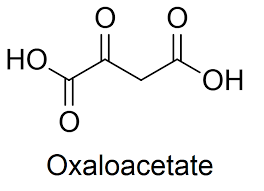
Oxaloacetate

Oxaloacetate: A Metabolic Compound Supporting Balance and Wellness in Cancer Care

1. Introduction to Oxaloacetate

Oxaloacetate (OAA) is a naturally occurring organic acid that plays a central role in human metabolism. It is a key intermediate in the citric acid cycle (Krebs cycle)—the process by which cells convert nutrients into usable energy within mitochondria.

Oxaloacetate is not an herb, plant extract, or vitamin. Instead, it is a biochemical compound naturally produced inside the body and also found in small amounts in foods such as spinach, broccoli, tomatoes, oranges, and other fruits and vegetables.

While oxaloacetate does not come from traditional medicine systems, its importance in cellular energy regulation and metabolic balance has made it an area of growing interest in nutritional science and integrative health.

2. How Oxaloacetate May Support Cancer Patients

Scientific interest in oxaloacetate focuses on its role in cellular metabolism, redox balance, and mitochondrial function, all of which are relevant to overall wellness during cancer care.

Potential Supportive Mechanisms

Research suggests oxaloacetate may support the body through:

  • Metabolic regulation, helping balance how cells use glucose and energy
  • Mitochondrial support, contributing to efficient cellular energy production
  • Antioxidant balance, influencing the NAD⁺/NADH ratio involved in redox regulation
  • Cellular protection, helping healthy cells adapt to metabolic stress
  • Apoptosis-supporting actions, observed in laboratory research settings

These mechanisms may help cancer patients support energy levels, cellular resilience, and metabolic balance, particularly during periods of physical stress. These effects are supportive, not curative.

3. Why Cancer Patients May Consider Taking Oxaloacetate

Some cancer patients explore oxaloacetate as part of a metabolism-focused supportive care approach.

Common reasons include:

  • Interest in cellular energy and mitochondrial health
  • Desire to support metabolic balance during or after treatment
  • Complementing nutrition, exercise, and lifestyle-based care
  • Growing awareness of the role of metabolism in overall wellness
  • Preference for non-herbal, naturally occurring metabolic compounds

Oxaloacetate is often discussed in integrative contexts that focus on supporting the body’s internal biochemical balance, rather than targeting symptoms alone.

4. Can Patients Use Oxaloacetate During Conventional Cancer Treatment?

Oxaloacetate is generally considered well tolerated when used in appropriate supplemental forms, but individual circumstances must always be considered.

During Chemotherapy, Targeted Therapy, Radiation, or Immunotherapy

  • Oxaloacetate has been discussed in supportive care and research contexts alongside conventional cancer treatments.
  • Its metabolic and antioxidant-related roles may help support overall wellness and energy balance.
  • It is not proven to treat cancer or to reliably reduce treatment-related side effects such as nausea, fatigue, neuropathy, or inflammation.

Important Considerations

  • Research on interactions with cancer therapies is still limited.
  • Individuals with metabolic conditions should seek medical advice before use.
  • Supplements should never replace standard cancer treatment.

Cancer patients should always discuss oxaloacetate supplementation with their oncologist or healthcare provider, especially during active treatment.


How to predict whether the treatment will be effective before cancer treatment starts?

The effectiveness of cancer treatment varies among each patient.

5. How and When Cancer Patients Should Take Oxaloacetate

Timing and Use

Oxaloacetate supplements are commonly taken:

  • On an empty stomach or before meals, depending on product guidance
  • Once or twice daily, based on professional recommendations
  • As ongoing supportive care, rather than short-term use

Forms Available

Oxaloacetate may be available as:

  • Capsules or tablets
  • Stabilized oxaloacetate supplements

It is not typically consumed in therapeutic amounts from food alone, as dietary levels are relatively low.

Safety and Quality Tips

  • Choose products from reputable manufacturers with clear labeling
  • Avoid excessive dosing without professional guidance
  • Inform healthcare providers of all supplements being used
  • Monitor overall nutritional and metabolic status if using long term

Responsible use and professional oversight are essential.

6. How Liquid Biopsy Tests — Especially CTC Analysis — Can Help Personalize Natural Therapies

Modern liquid biopsy tests analyze cancer-related material in the bloodstream, including circulating tumor cells (CTCs).

By studying these cells, clinicians may gain insight into:

  • Cancer cell metabolism and biological behavior
  • How cancer responds to different metabolic or supportive strategies

This information can support personalized discussions between patients and doctors about nutrition, metabolic support, and natural substances, helping guide individualized care decisions.

7. Conclusion

Oxaloacetate is a naturally occurring metabolic compound with growing scientific interest in supportive and integrative cancer care, particularly in relation to cellular energy and metabolic balance.

For cancer patients, the most empowering approach combines:

  • Evidence-informed metabolic support
  • Personalized decision-making
  • Ongoing collaboration with healthcare professionals

When used wisely and responsibly, oxaloacetate may contribute to overall well-being, resilience, and quality of life alongside conventional cancer treatment.


8. References

  1. Krebs, H. A. (1970). The history of the tricarboxylic acid cycle. Perspectives in Biology and Medicine, 14(1), 154–170.
  2. Stubbs, B. J., et al. (2018). A role for oxaloacetate in metabolic health. Journal of Nutritional Biochemistry, 59, 1–9.
  3. Wilkins, H. M., et al. (2016). Oxaloacetate activates brain mitochondrial biogenesis. Journal of Neurochemistry, 138(6), 940–952.
  4. Swerdlow, R. H., et al. (2016). Oxaloacetate improves mitochondrial bioenergetics. Aging Cell, 15(5), 873–884.
  5. Linnane, A. W., et al. (1989). Mitochondrial function and disease. The Lancet, 333(8647), 642–645.
  6. Wallace, D. C. (2012). Mitochondria and cancer. Nature Reviews Cancer, 12(10), 685–698.

Medical Disclaimer

This article is for educational purposes only and is not intended to replace professional medical advice, diagnosis, or treatment. Cancer patients should always consult their doctors or qualified healthcare providers before starting any new supplement or natural therapy.

Want to learn how liquid biopsy may help you choose suitable natural substances during your cancer journey?

Precision medicine provides patients with clearer and more personalized treatment guidelines

Enquire about liquid biopsy by sending us a message today

Name
Checkboxes

Message us on Whatsapp to know more about liquid biopsy

Learn how precision medicine can help with your cancer treatment

How to predict whether the treatment will be effective before cancer treatment starts?

The effectiveness of cancer treatment varies among each patient.