

Evidence-based guides to vitamins, minerals, herbal supplements, and sports nutrition—no hype, just facts.
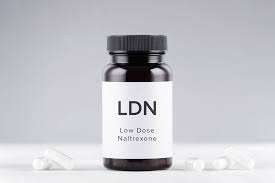
Naltrexone is an FDA-approved medication originally developed in the 1980s for treating opioid and alcohol dependence at standard doses (50–100 mg).
However, Low-Dose Naltrexone (LDN) refers to the use of much smaller doses — typically 0.5 mg to 4.5 mg per day. At this low dosage, naltrexone behaves very differently from its original medical purpose.
LDN is compounded in specialized pharmacies and is widely explored in integrative medicine for its ability to:
Although synthetic rather than plant-based, LDN is considered a “natural-supportive adjunct therapy” because of its gentle mechanism and broad wellness benefits.
LDN is not a cancer treatment, but it may offer supportive benefits through its unique effects on the immune system and inflammatory pathways.
Immune System Modulation
At low doses, naltrexone temporarily blocks opioid receptors for a few hours.
In response, the body increases production of:
These compounds may help enhance immune system activity in a balanced, non-stimulating way — especially important for cancer patients under physical stress.
Anti-Inflammatory Effects
LDN may help regulate inflammatory responses by influencing microglial cells in the central nervous system. Many patients report reduced:
Improved Quality of Life
Patients using LDN often report improved:
These benefits can translate into better daily functioning during treatment.
LDN has become increasingly popular among patients seeking supportive, non-toxic wellness therapies because:
Many integrative physicians use LDN as part of a comprehensive supportive care strategy for cancer patients.
Safety and Interactions
LDN is usually safe for cancer patients, but it must be used under medical supervision because:
How LDN May Support Treatment Tolerance
Some patients use LDN to help ease:
With improved sleep, mood, and immune balance, many patients feel better able to cope with the demands of treatment.
The effectiveness of cancer treatment varies among each patient.
Best Timing
LDN is typically taken:
(this timing supports natural endorphin cycles)
Some patients who experience vivid dreams switch to morning dosing.
Forms Available
LDN is available only through compounding pharmacies, typically as:
Standard pharmacy naltrexone tablets (50 mg) cannot be safely divided for LDN use.
Usage Tips
Modern liquid biopsy tests can analyze circulating tumor cells (CTCs) in the bloodstream. These insights may help patients better understand cancer behavior and how their body may respond to supportive therapies.
Some individuals use this information to guide personalized wellness choices, including whether supportive approaches like LDN may align well with their overall care plan.
Low-Dose Naltrexone is a promising supportive therapy known for its immune-balancing, anti-inflammatory, and mood-enhancing actions. For cancer patients, LDN may help improve energy, sleep, emotional strength, and overall wellness during treatment.
Used wisely under medical supervision, LDN can be a valuable addition to an integrative approach, helping many patients feel more resilient throughout their cancer journey.
References
Bihari, B. (2003). Low-dose naltrexone and immune modulation. Medical Hypotheses, 61(1), 115–126.
Younger, J., & Parkitny, L. (2014). LDN as an anti-inflammatory agent. Clinical Rheumatology, 33(11), 1595–1601.
Sharafaddinzadeh, N., et al. (2010). Low-dose naltrexone therapy safety. Multiple Sclerosis Journal, 16(8), 964–969.
Zagon, I. S., & McLaughlin, P. J. (2005). Endorphin pathway modulation by low-dose naltrexone. Brain Research, 1041(1), 1–7.
Toljan, K., & Vrooman, B. (2018). The clinical use of low-dose naltrexone. Cureus, 10(7), e3022.
This article is for educational purposes only and is not intended to replace professional medical advice, diagnosis, or treatment. Cancer patients should always consult their doctors or qualified healthcare providers before starting any new supplement or natural therapy.
Precision medicine provides patients with clearer and more personalized treatment guidelines

Learn how precision medicine can help with your cancer treatment

The effectiveness of cancer treatment varies among each patient.