

Evidence-based guides to vitamins, minerals, herbal supplements, and sports nutrition—no hype, just facts.
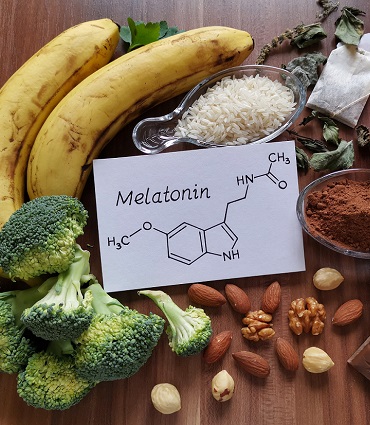
Melatonin is a naturally occurring hormone produced by the pineal gland in the brain. It helps regulate the sleep–wake cycle, also known as the circadian rhythm. The body normally produces melatonin in response to darkness, signaling that it is time to rest.
Melatonin is also found in small amounts in foods such as:
As a supplement, melatonin is widely used to support sleep, regulate circadian rhythm, and help the body cope with stress. Beyond sleep, melatonin also has antioxidant properties and plays a role in cellular protection, making it of interest to many cancer patients.
Although melatonin is not a cancer treatment, its biological effects may help improve comfort and overall wellness during cancer therapy.
Improves Sleep and Reduces Insomnia
Cancer patients frequently struggle with sleep problems caused by pain, anxiety, steroids, or treatment schedules. Melatonin can help:
Better sleep aids emotional balance and physical recovery.
Acts as a Powerful Antioxidant
Melatonin is one of the few antioxidants that works both inside and outside the cell. It may help reduce oxidative stress, a common effect of chemotherapy, radiation, and chronic inflammation.
Supports Immune Function
Research suggests that melatonin may help regulate immune activity, supporting the body’s natural ability to cope with illness and treatment-related stress.
May Support Mood and Stress Relief
Melatonin can indirectly support emotional well-being by promoting restful sleep and a stable circadian rhythm.
Melatonin is widely used in integrative cancer wellness programs because:
Patients who struggle with sleep or nighttime anxiety often find melatonin especially beneficial.
Safety and Interactions
Melatonin is generally considered safe and well tolerated, but cancer patients should still discuss its use with their medical team because:
May It Help Reduce Treatment Side Effects?
Melatonin has been used to support relief from:
Restorative sleep can help the body manage treatment more effectively, improving energy and overall well-being.
The effectiveness of cancer treatment varies among each patient.
Best Timing
Melatonin works best when taken:
Forms Available
Melatonin is available as:
Usage Tips
Modern liquid biopsy technology can detect circulating tumor cells (CTCs) in the bloodstream. These insights may help patients understand cancer behavior and how their body responds to supportive substances.
Some individuals use this information to help personalize their wellness strategy, including choosing natural supplements such as melatonin that may align with their body’s needs.
Melatonin is a gentle, natural hormone that offers significant benefits for sleep, immune support, and antioxidant protection. For cancer patients, melatonin may help improve sleep quality, reduce treatment-related stress, and support overall resilience.
When used responsibly and under medical guidance, melatonin can be a valuable component of an integrative cancer wellness plan.
References
Bubenik, G. A. (2002). Melatonin in health and disease. Experimental Biology and Medicine, 227(7), 569–577.
González, A., et al. (2012). Antioxidant properties of melatonin. Journal of Pineal Research, 52(1), 1–12.
Lewy, A. J., & Sack, R. L. (1989). Melatonin and circadian rhythms. Journal of Biological Rhythms, 4(1), 1–9.
Mills, E., Wu, P., Seely, D., & Guyatt, G. (2005). Melatonin and cancer supportive care. Journal of Pineal Research, 39(4), 360–366.
Reiter, R. J., Tan, D. X., & Galano, A. (2014). Melatonin as an antioxidant: Defending cells and tissues. Molecules, 19(5), 8438–8475.
This article is for educational purposes only and is not intended to replace professional medical advice, diagnosis, or treatment. Cancer patients should always consult their doctors or qualified healthcare providers before starting any new supplement or natural therapy.
Precision medicine provides patients with clearer and more personalized treatment guidelines

Learn how precision medicine can help with your cancer treatment

The effectiveness of cancer treatment varies among each patient.