

Evidence-based guides to vitamins, minerals, herbal supplements, and sports nutrition—no hype, just facts.
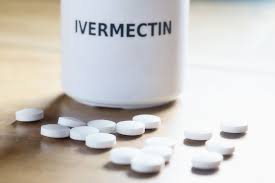
Ivermectin is a prescription medication originally developed as an antiparasitic drug. It was discovered from compounds produced by the soil microorganism Streptomyces avermitilis and has been widely used for decades to treat parasitic infections in both humans and animals.
Ivermectin is not a plant extract, herb, vitamin, or dietary supplement, and it is not considered a natural substancein the traditional sense. However, because it originates from a naturally occurring microorganism and has a long history of medical use, it has attracted scientific interest beyond its original indication.
In recent years, ivermectin has been explored in laboratory and early research settings for its potential biological effects related to cellular signaling and metabolism. These investigations are experimental and do not establish ivermectin as a cancer treatment.
Interest in ivermectin within oncology comes primarily from preclinical research, including cell and animal studies. These studies explore how the compound interacts with cellular processes.
Laboratory research has examined ivermectin for its potential to influence:
These findings are preliminary and investigational. They do not demonstrate that ivermectin treats cancer or improves outcomes in people. At this stage, any potential benefits are theoretical and research-based only.
Some cancer patients become interested in ivermectin because:
It is important to understand that research interest does not equal clinical effectiveness, and ivermectin is not an approved cancer therapy.
This is a critical area requiring medical supervision.
Cancer patients should never start ivermectin without consulting their oncologist or prescribing physician.
The effectiveness of cancer treatment varies among each patient.
Because ivermectin is a prescription drug, dosing and timing are determined solely by a licensed healthcare professional.
Ivermectin is available as:
It is not obtained from food, teas, herbs, or supplements.
Ivermectin should never replace standard cancer treatment.
Modern liquid biopsy tests analyze cancer-related material in the bloodstream, including circulating tumor cells (CTCs).
By studying these cells, clinicians may gain insight into:
This information supports personalized, evidence-based discussions between patients and doctors about treatment planning and supportive care approaches. It does not determine whether a specific drug such as ivermectin is appropriate.
Ivermectin is a well-established prescription medication with decades of use for parasitic infections. While it has generated interest in experimental cancer research, there is no conclusive clinical evidence that it treats cancer or improves outcomes for cancer patients.
For individuals living with cancer, the most empowering path forward includes:
Any consideration of ivermectin should occur only within a medically supervised, individualized care plan.
This article is for educational purposes only and is not intended to replace professional medical advice, diagnosis, or treatment. Cancer patients should always consult their doctors or qualified healthcare providers before starting any new supplement or natural therapy.
Precision medicine provides patients with clearer and more personalized treatment guidelines

Learn how precision medicine can help with your cancer treatment

The effectiveness of cancer treatment varies among each patient.