
Want to learn how liquid biopsy may help you choose suitable natural substances during your cancer journey?

Science-Backed Nutrition Supplements | Elevate Your Health & Wellness

Evidence-based guides to vitamins, minerals, herbal supplements, and sports nutrition—no hype, just facts.
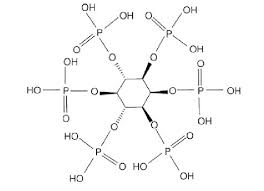
IP6 (Inositol)

IP6 (Inositol): A Plant-Derived Nutrient Supporting Balance and Wellness in Cancer Care

1. Introduction to IP6 (Inositol)

IP6, also known as inositol hexaphosphate or phytic acid, is a naturally occurring compound found in plant-based foods, particularly whole grains, legumes, seeds, nuts, and cereals. It is a form of inositol, a vitamin-like molecule involved in many cellular signaling processes in the body.

IP6 is especially concentrated in the outer layers of seeds and grains, where it helps plants store essential minerals. Humans have consumed IP6 for thousands of years through traditional diets rich in whole, minimally processed plant foods.

Although not a classic herbal remedy, IP6 has gained attention in nutritional science and integrative health due to its role in cellular regulation, antioxidant activity, and overall metabolic balance.

2. How IP6 May Support Cancer Patients

IP6 has been studied for its cellular and metabolic support properties, which may be relevant for overall wellness during cancer care.

Potential Supportive Mechanisms

Research suggests IP6 may support the body through:

  • Antioxidant effects, helping reduce oxidative stress
  • Cellular signaling regulation, supporting normal cell communication
  • Immune system support, contributing to balanced immune activity
  • Anti-inflammatory pathways, helping maintain tissue comfort
  • Apoptosis-supporting actions, observed in laboratory research settings

These mechanisms may help cancer patients support cellular balance and resilience, especially during periods of physical stress. These effects are supportive, not curative.

3. Why Cancer Patients May Consider Taking IP6

Many cancer patients explore IP6 as part of a nutrition-focused, integrative approach to well-being.

Common reasons include:

  • Interest in plant-derived nutrients with long dietary exposure
  • Desire to support cellular health and antioxidant defenses
  • Complementing whole-food, fiber-rich diets
  • Supporting general vitality and metabolic balance
  • Preference for non-herbal, naturally occurring compounds

Because IP6 is naturally present in many staple foods, it is often perceived as a gentle and familiar option for supportive care.

4. Can Patients Use IP6 During Conventional Cancer Treatment?

IP6 is generally considered well tolerated when consumed through food and standard supplements, but individual circumstances vary.

During Chemotherapy, Targeted Therapy, Radiation, or Immunotherapy

  • IP6 is commonly consumed as part of plant-based diets during cancer treatment.
  • Its antioxidant and cellular-supporting properties may help support overall wellness.
  • It is not proven to treat cancer or reliably reduce treatment-related side effects such as nausea, fatigue, or neuropathy.

Important Considerations

  • IP6 can bind minerals such as iron, zinc, and calcium, potentially affecting absorption if taken in large doses.
  • Timing supplementation away from mineral-rich meals may be advisable.
  • Interactions with cancer therapies have not been fully established.

Cancer patients should discuss IP6 supplementation with their oncologist or healthcare provider, particularly if they have nutritional deficiencies or are considering higher-dose supplements.


How to predict whether the treatment will be effective before cancer treatment starts?

The effectiveness of cancer treatment varies among each patient.

5. How and When Cancer Patients Should Take IP6

Timing and Use

IP6 is commonly taken:

  • Between meals, to reduce interference with mineral absorption
  • Once or twice daily, depending on guidance
  • As ongoing supportive care, rather than short-term use

Forms Available

IP6 can be obtained from:

  • Food sources: whole grains, legumes, seeds, nuts
  • Capsules or powder supplements
  • Standardized IP6-inositol combination products

Food-based intake is often encouraged as the foundation, with supplements used selectively.

Safety and Quality Tips

  • Choose supplements from reputable manufacturers
  • Avoid excessive dosing without professional guidance
  • Monitor iron and mineral status if using long-term
  • Inform healthcare providers of all supplements being used

Balanced intake helps ensure safety and effectiveness.

6. How Liquid Biopsy Tests — Especially CTC Analysis — Can Help Personalize Natural Therapies

Modern liquid biopsy tests analyze cancer-related material circulating in the bloodstream, including circulating tumor cells (CTCs).

By studying these cells, clinicians may gain insight into:

  • Cancer cell behavior and biological activity
  • How cancer responds to different nutritional or supportive strategies

This information can support personalized discussions between patients and doctors, helping guide decisions about diet, supplements, and natural substances within an individualized care plan.

7. Conclusion

IP6 is a naturally occurring, plant-derived compound with growing scientific interest in supportive and integrative cancer care. When used wisely, it may help support cellular balance, antioxidant defenses, and overall well-being.

For cancer patients, the most empowering approach combines:

  • Whole-food, nutrient-rich diets
  • Evidence-informed supplementation when appropriate
  • Personalized guidance from healthcare professionals

Used responsibly, IP6 can be a valuable part of a holistic, patient-centered wellness strategy alongside conventional cancer care.

8. References 

  1. Vucenik, I., & Shamsuddin, A. M. (2003). Cancer inhibition by inositol hexaphosphate (IP6) and inositol. Nutrition and Cancer, 41(1–2), 64–70.
  2. Shamsuddin, A. M. (2002). Anti-cancer function of phytic acid. International Journal of Food Science & Nutrition, 53(3), 247–256.
  3. Graf, E., & Eaton, J. W. (1990). Antioxidant functions of phytic acid. Free Radical Biology and Medicine, 8(1), 61–69.
  4. Vucenik, I., et al. (1998). Inositol hexaphosphate affects growth and differentiation of cancer cells. Journal of Nutrition, 128(11), 2066–2072.
  5. Kumar, V., et al. (2017). Phytic acid: Health benefits and potential risks. Food Reviews International, 33(5), 431–447.
  6. Schlemmer, U., et al. (2009). Phytate in foods and significance for humans. Molecular Nutrition & Food Research, 53(Suppl 2), S330–S375.

Medical Disclaimer

This article is for educational purposes only and is not intended to replace professional medical advice, diagnosis, or treatment. Cancer patients should always consult their doctors or qualified healthcare providers before starting any new supplement or natural therapy.

Want to learn how liquid biopsy may help you choose suitable natural substances during your cancer journey?

Precision medicine provides patients with clearer and more personalized treatment guidelines

Enquire about liquid biopsy by sending us a message today

Name
Checkboxes

Message us on Whatsapp to know more about liquid biopsy

Learn how precision medicine can help with your cancer treatment

How to predict whether the treatment will be effective before cancer treatment starts?

The effectiveness of cancer treatment varies among each patient.