

Evidence-based guides to vitamins, minerals, herbal supplements, and sports nutrition—no hype, just facts.
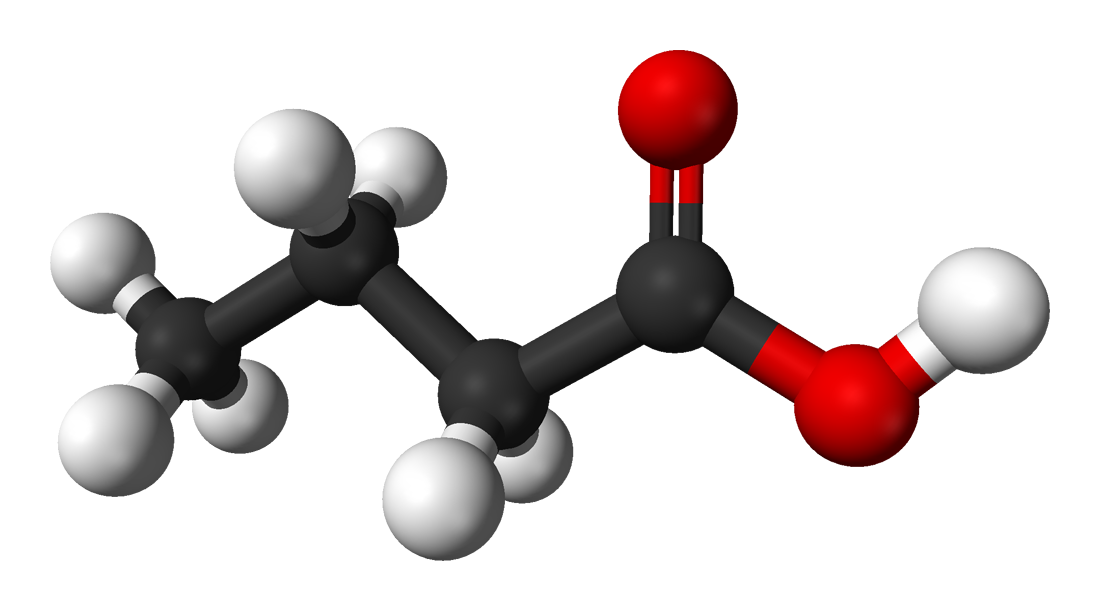
Butyric acid is a naturally occurring short-chain fatty acid (SCFA) that plays an important role in human health, particularly in the digestive system. It is produced in the gut when beneficial bacteria ferment dietary fiber, and it is also found in small amounts in foods such as butter, ghee, cheese, and fermented dairy products.
Rather than originating from a single plant or herb, butyric acid is best understood as a metabolic product of a healthy gut microbiome. Traditional diets rich in whole grains, vegetables, and fermented foods have long supported natural butyrate production, even before its role was scientifically understood.
Today, butyric acid is available in supplement forms (often as sodium butyrate or calcium/magnesium butyrate) and is widely discussed in gut health and integrative care contexts.
Butyric acid is best known for its role in intestinal health and cellular regulation, which can be particularly relevant for individuals undergoing cancer treatment.
Research suggests that butyric acid may support overall wellness through:
These mechanisms may help cancer patients maintain digestive comfort, nutrient absorption, and systemic balance, especially during periods of treatment-related stress.
These effects are considered supportive, not therapeutic, and do not replace medical treatment.
Many cancer patients explore butyric acid as part of a gut-focused supportive care approach, particularly when digestive health is affected.
Common reasons include:
Its popularity reflects a broader understanding that digestive health plays a central role in quality of life and resilienceduring the cancer journey.
Butyric acid is generally considered well tolerated and is often discussed as supportive care alongside conventional cancer treatments, including:
Cancer patients should always discuss butyric acid supplementation with their oncologist or healthcare provider, particularly if they have gastrointestinal conditions or are undergoing intensive treatment.
The effectiveness of cancer treatment varies among each patient.
Butyric acid supplements are commonly taken:
Butyric acid may be found in:
Foods that support butyrate production include whole grains, legumes, vegetables, fruits, and fermented foods.
Supporting natural production through diet remains an important foundation.
Modern liquid biopsy tests analyze cancer-related components in the bloodstream, including circulating tumor cells (CTCs).
By studying these cells, clinicians may gain insight into:
This information can help guide personalized discussions between patients and doctors about nutrition, gut health, and natural substances, supporting more individualized care decisions.
Butyric acid plays a meaningful role in gut health, immune balance, and cellular support, making it an important consideration in integrative cancer care. When used responsibly, it may help cancer patients maintain digestive comfort and overall well-being during challenging periods.
The most empowering approach combines:
Used wisely, butyric acid can complement conventional cancer care and contribute positively to quality of life and resilience.
This article is for educational purposes only and is not intended to replace professional medical advice, diagnosis, or treatment. Cancer patients should always consult their doctors or qualified healthcare providers before starting any new supplement or natural therapy.
Precision medicine provides patients with clearer and more personalized treatment guidelines

Learn how precision medicine can help with your cancer treatment

The effectiveness of cancer treatment varies among each patient.