
Want to learn how liquid biopsy may help you choose suitable natural substances during your cancer journey?

Science-Backed Nutrition Supplements | Elevate Your Health & Wellness

Evidence-based guides to vitamins, minerals, herbal supplements, and sports nutrition—no hype, just facts.
Artesunate

Artesunate: Exploring a Plant-Derived Compound in Supportive Cancer Care

1. Introduction to Artesunate

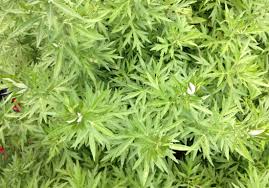
Artesunate is a semi-synthetic compound derived from artemisinin, a natural substance extracted from the plant Artemisia annua, also known as sweet wormwood. This plant has a long history of use in Traditional Chinese Medicine (TCM), where it was traditionally employed for its cooling and fever-reducing properties.

Artesunate was originally developed and widely used as a modern antimalarial medication. Over time, its unique biological characteristics have attracted scientific interest beyond infectious diseases, including research into how it interacts with cellular and immune processes. Today, artesunate is being studied in various supportive and integrative health contexts, including oncology research.

2. How Artesunate May Support Cancer Patients

Scientific interest in artesunate is largely based on its distinct cellular and biochemical activities, which have been observed in laboratory and early clinical research.

Potential Supportive Mechanisms

Research suggests that artesunate may support overall wellness through several pathways:

  • Oxidative stress modulation, influencing how cells manage reactive oxygen species
  • Anti-inflammatory activity, which may help maintain cellular balance
  • Cellular protection mechanisms, supporting normal cells under stress
  • Apoptosis-supporting actions, observed in experimental cancer cell studies
  • Immune-related effects, contributing to immune system signaling balance

These mechanisms help explain why artesunate is being explored as a supportive compound, not as a replacement for standard cancer treatments. When viewed responsibly, these effects may contribute to maintaining physical resilience and cellular balance during challenging periods.

3. Why Cancer Patients May Consider Taking Artesunate

Some cancer patients become interested in artesunate as part of a broader integrative or supportive care strategy.

Common reasons include:

  • Interest in plant-derived compounds with a long history of traditional use
  • Scientific studies exploring its cellular and immune-related properties
  • Desire to support overall well-being during or after cancer treatment
  • Growing discussion of artemisinin-derived compounds in integrative oncology settings

For many patients, exploring artesunate reflects a wish to combine evidence-informed natural approaches with conventional medical care, rather than choosing one over the other.

4. Can Patients Use Artesunate During Conventional Cancer Treatment?

This is an important consideration, as artesunate is a pharmacologically active compound.

Safety and Compatibility Considerations

  • Artesunate has been studied in combination with chemotherapy, targeted therapy, radiation therapy, and immunotherapy in research settings.
  • It is generally regarded as well-tolerated when used under medical supervision, though side effects may occur.
  • Potential concerns include interactions with medications processed by the liver and effects related to oxidative mechanisms.

Supportive Role During Treatment

Some studies suggest artesunate may help with:

  • Managing oxidative stress associated with illness and treatment
  • Supporting inflammatory balance
  • Maintaining overall physical resilience

Because artesunate is biologically active, cancer patients should always discuss its use with their oncologist or healthcare provider, especially during active treatment. Medical guidance ensures safety, appropriate dosing, and coordination with existing therapies.

How to predict whether the treatment will be effective before cancer treatment starts?

The effectiveness of cancer treatment varies among each patient.

5. How and When Cancer Patients Should Take Artesunate

Timing and Duration

Artesunate use depends on individual circumstances and professional advice. It is commonly:

  • Taken with meals, to improve tolerance
  • Used in short-term or defined treatment periods, rather than continuous long-term use
  • Scheduled earlier in the day unless otherwise directed

Forms Available

Artesunate may be available as:

  • Prescription tablets or injections (in medical settings)
  • Capsules or tablets in integrative care contexts (where permitted)

Unlike many supplements, artesunate is not obtained from food sources and should not be self-prepared from plants.

Safety and Quality Tips

  • Use only pharmaceutical-grade or clinically supervised products
  • Avoid self-dosing or combining with other strong supplements without guidance
  • Report any unusual symptoms promptly
  • Ensure all healthcare providers are aware of its use

Professional oversight is especially important with artesunate due to its pharmacological activity.

6. How Liquid Biopsy Tests — Especially CTC Analysis — Can Help Personalize Natural Therapies

Modern liquid biopsy tests examine cancer-related material in the bloodstream, including circulating tumor cells (CTCs).

By studying these cells, clinicians may gain insights into:

  • How cancer cells behave biologically
  • How they respond to different supportive strategies

This information may help doctors and patients have more personalized discussions about integrative approaches, including whether certain natural or plant-derived compounds may be appropriate as part of an individualized care plan.

7. Conclusion

Artesunate is a unique compound with roots in traditional medicine and a well-established role in modern pharmacology. Its growing research interest in oncology reflects a broader movement toward integrative, evidence-informed supportive care.

For cancer patients, the most empowering approach involves:

  • Accurate, balanced information
  • Careful consideration of safety
  • Close collaboration with healthcare professionals

When used responsibly and under medical guidance, compounds like artesunate may play a supportive role in maintaining well-being alongside standard cancer treatments.


8. References

  1. Efferth, T. (2017). From ancient herb to modern drug: Artemisinin and its derivatives in cancer therapy. Cancer Letters, 395, 84–97.
  2. Wong, Y. K., Xu, C., Kalesh, K. A., et al. (2017). Artemisinin as an anticancer drug: Recent advances in target profiling and mechanisms of action. Medicinal Research Reviews, 37(6), 1492–1517.
  3. Lai, H., & Singh, N. P. (2006). Selective cancer cell cytotoxicity from exposure to dihydroartemisinin. Cancer Letters, 91(1), 41–46.
  4. Hou, J., Wang, D., Zhang, R., & Wang, H. (2008). Experimental therapy of hepatoma with artesunate. Journal of Cancer Research and Clinical Oncology, 134(5), 555–562.
  5. Krishna, S., Bustamante, L., Haynes, R. K., & Staines, H. M. (2008). Artemisinins: Their growing importance in medicine. Trends in Pharmacological Sciences, 29(10), 520–527.
  6. Crespo-Ortiz, M. P., & Wei, M. Q. (2012). Antitumor activity of artemisinin and its derivatives. Journal of Biomedicine and Biotechnology, 2012, 247597.

Medical Disclaimer

This article is for educational purposes only and is not intended to replace professional medical advice, diagnosis, or treatment. Cancer patients should always consult their doctors or qualified healthcare providers before starting any new supplement or natural therapy.

Want to learn how liquid biopsy may help you choose suitable natural substances during your cancer journey?

Precision medicine provides patients with clearer and more personalized treatment guidelines

Enquire about liquid biopsy by sending us a message today

Name
Checkboxes

Message us on Whatsapp to know more about liquid biopsy

Learn how precision medicine can help with your cancer treatment

How to predict whether the treatment will be effective before cancer treatment starts?

The effectiveness of cancer treatment varies among each patient.