Understanding Nutrition Supplements for Cancer Care
While a balanced diet is crucial for cancer patients, certain supplements may offer additional support during treatment. Below is an evidence-based guide to key supplements, their potential benefits, and considerations for use.
Important Considerations
Consult Your Healthcare Team
Always discuss supplements with your oncologist or registered dietitian before starting any new regimen. Some supplements may interact with chemotherapy, radiation, or other medications.
Whole Foods First
Supplements should complement, not replace, a nutrient-dense diet. Focus on whole foods like fruits, vegetables, lean proteins, and healthy fats as the foundation of your nutrition plan.
Quality Matters
Not all supplements are created equal. Choose high-quality brands that undergo third-party testing for purity and potency. See our guide below for selecting the best supplement brands.
50 Natural Substances Commonly Used by Patients During the Cancer Journey
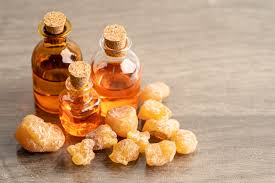
Frankincense is a natural aromatic resin obtained from trees of the Boswellia genus, particularly Boswellia serrata, Boswellia carterii, and Boswellia sacra.
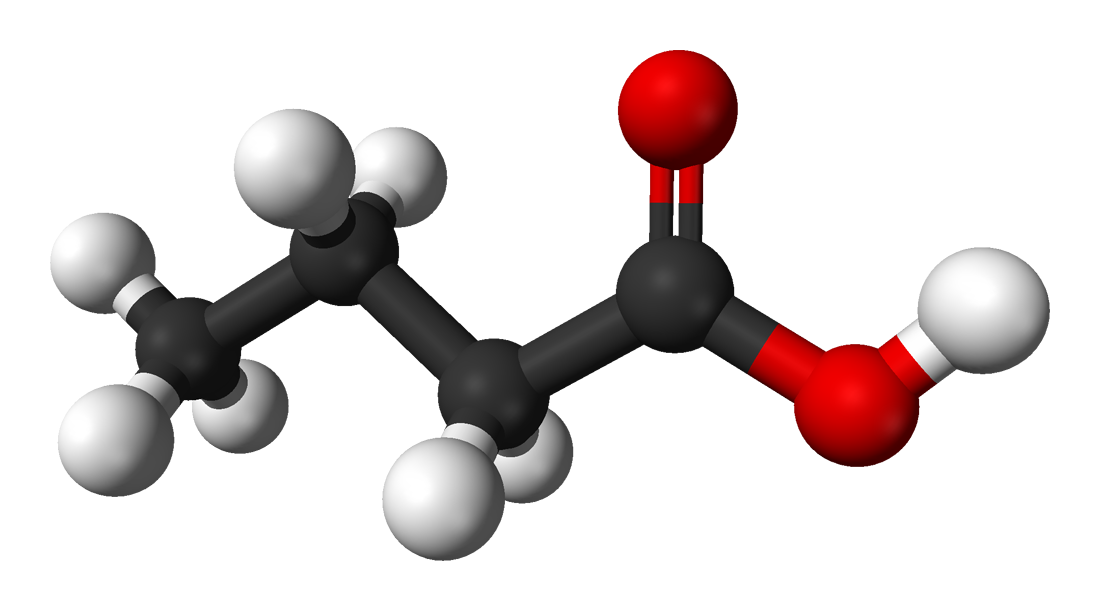
Butyric acid is a naturally occurring short-chain fatty acid (SCFA) that plays an important role in human health, particularly in the digestive system.
Boswellia serrata, commonly known as Indian frankincense, is a resin extracted from the Boswellia tree native to India, North Africa, and the Middle East.
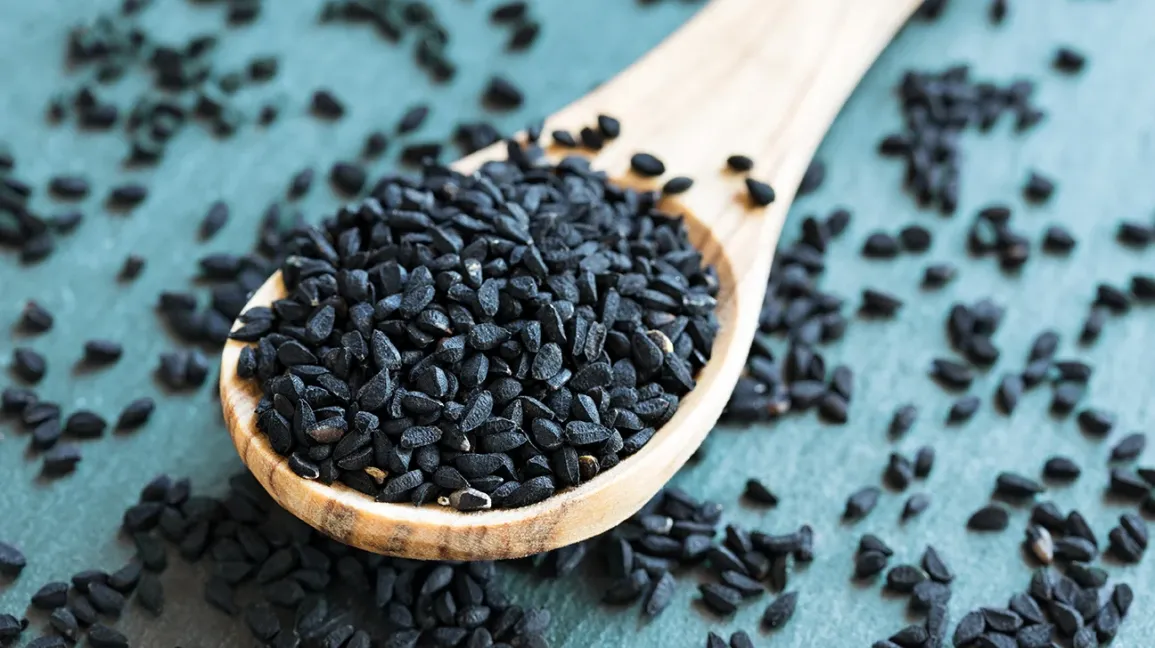
Black cumin, scientifically known as Nigella sativa, is a small flowering plant whose seeds have been used for centuries across the Middle East, South Asia, and North Africa
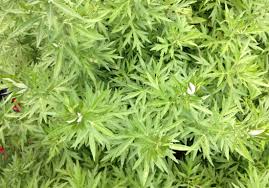
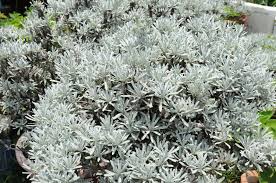
Artesunate is a semi-synthetic compound derived from artemisinin, a natural substance extracted from the plant Artemisia annua, also known as sweet wormwood.
Artecin is a natural compound derived from artemisinin, a bioactive substance extracted from the plant Artemisia annua, commonly known as sweet wormwood.
Amygdalin is a naturally occurring compound classified as a cyanogenic glycoside. It is found in the seeds (kernels) of certain fruits, particularly apricot kernels, as well as bitter almonds, peach pits, plum seeds, and cherry pits.
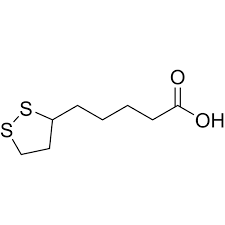
Alpha Lipoic Acid (ALA), also known as thioctic acid, is a naturally occurring compound found in every cell of the human body. It plays an essential role in energy production by helping enzymes convert nutrients into usable energy.
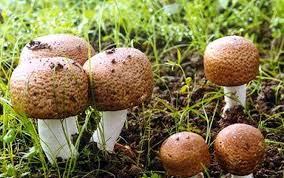
Agaricus blazei Murill (ABM) is a medicinal mushroom traditionally valued for its health-supporting properties. It is a fungus, commonly referred to as the Brazilian mushroom, Himematsutake, or God’s mushroom.
Alpha Lipoic Acid (ALA), also known as thioctic acid, is a naturally occurring compound found in every cell of the human body. It plays an essential role in energy production by helping enzymes convert nutrients into usable energy.