50 Natural Substances Commonly Used by Patients During the Cancer Journey

Want to learn how liquid biopsy may help you choose suitable natural substances during your cancer journey?

Name
Checkboxes

Want to learn how liquid biopsy may help you choose suitable natural substances during your cancer journey?

Understanding Nutrition Supplements for Cancer Care

While a balanced diet is crucial for cancer patients, certain supplements may offer additional support during treatment. Below is an evidence-based guide to key supplements, their potential benefits, and considerations for use.

Important Considerations

Consult Your Healthcare Team

Always discuss supplements with your oncologist or registered dietitian before starting any new regimen. Some supplements may interact with chemotherapy, radiation, or other medications.

Whole Foods First

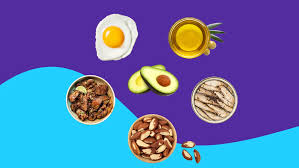
Supplements should complement, not replace, a nutrient-dense diet. Focus on whole foods like fruits, vegetables, lean proteins, and healthy fats as the foundation of your nutrition plan.

Quality Matters

Not all supplements are created equal. Choose high-quality brands that undergo third-party testing for purity and potency. See our guide below for selecting the best supplement brands.

50 Natural Substances Commonly Used by Patients During the Cancer Journey

Common 50 Natural Substances

Curated Choices for Targeted Natural Support in Oncology

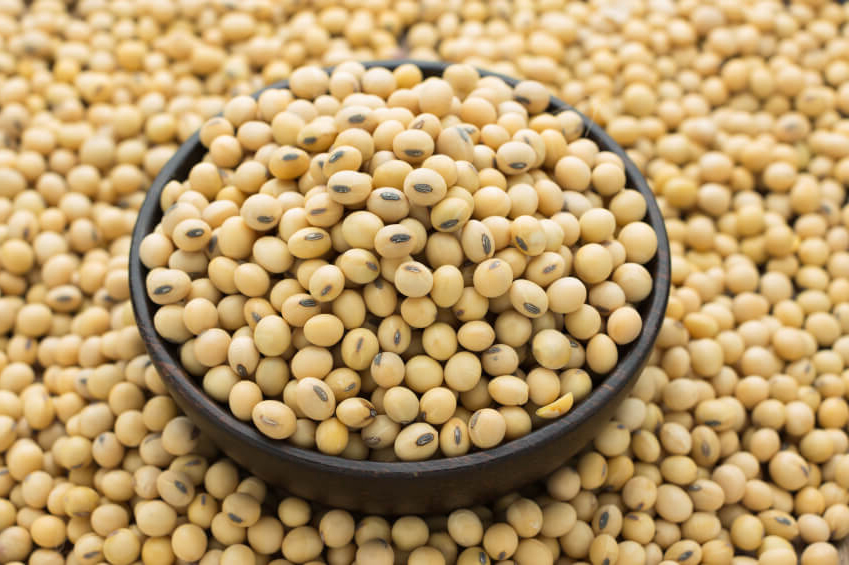
Genistein is a naturally occurring isoflavone, most commonly found in soybeans and other legumes.

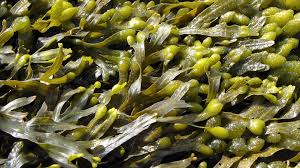
Fucoidan is a natural polysaccharide found primarily in the cell walls of brown seaweeds

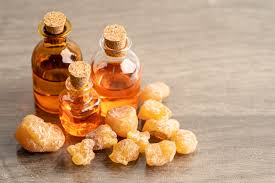
Frankincense is a natural aromatic resin obtained from trees of the Boswellia genus, particularly Boswellia serrata, Boswellia carterii, and Boswellia sacra.

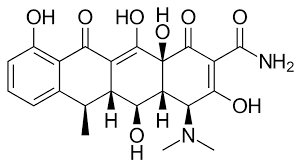
Doxycycline is a well-established prescription antibiotic from the tetracycline family.

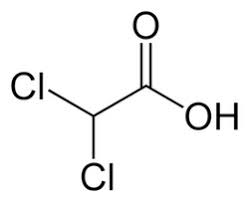
Dichloroacetate (DCA) is a small synthetic metabolic compound that has been studied in medical research for several decades

Turmeric (Curcuma longa) is a bright yellow spice widely used in Indian and Southeast Asian cooking.

Cordyceps sinensis is a unique medicinal fungus that has been used for centuries in Traditional Chinese Medicine (TCM) and Tibetan medicine.

CoQ10, short for Coenzyme Q10, is a naturally occurring compound found in every cell of the human body.

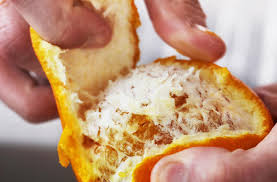
Citrus pectin is a natural dietary fiber extracted from the peels of citrus fruits

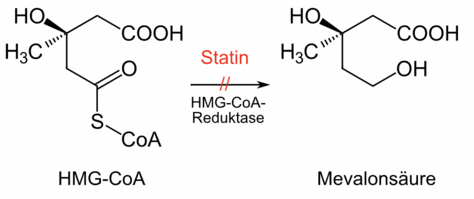
C-statin refers to a group of naturally occurring protease-inhibiting proteins or peptides derived from the cystatin family.

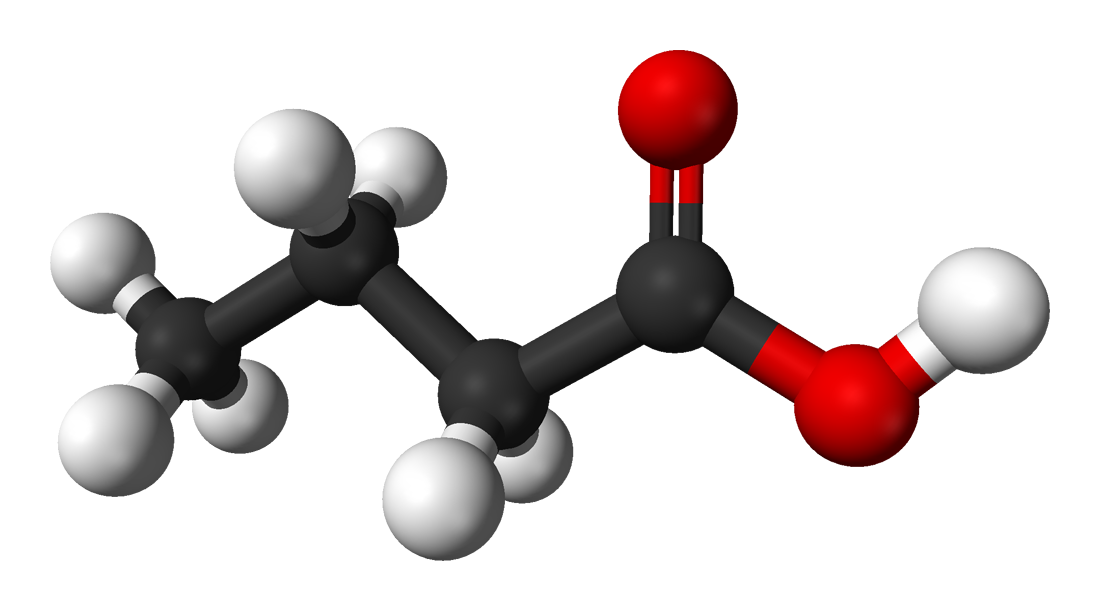
Butyric acid is a naturally occurring short-chain fatty acid (SCFA) that plays an important role in human health, particularly in the digestive system.

Boswellia serrata, commonly known as Indian frankincense, is a resin extracted from the Boswellia tree native to India, North Africa, and the Middle East.

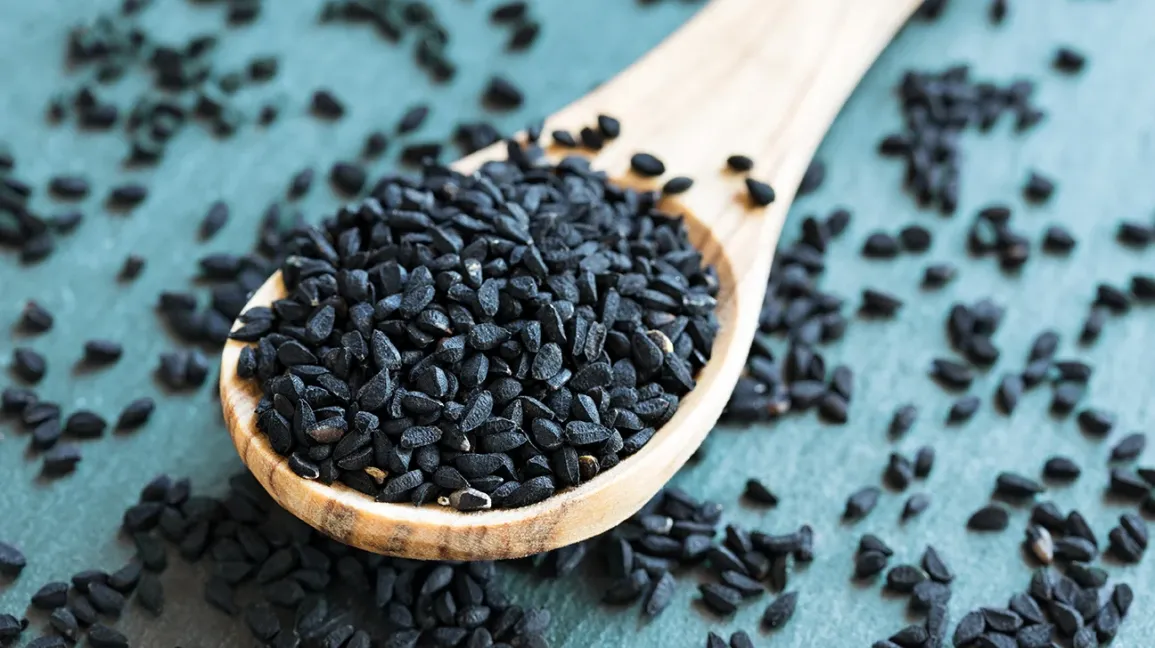
Black cumin, scientifically known as Nigella sativa, is a small flowering plant whose seeds have been used for centuries across the Middle East, South Asia, and North Africa

Avemar pulvis is a fermented wheat germ extract (FWGE) produced through a controlled fermentation process of wheat germ.

Astaxanthin is a naturally occurring red-pigmented carotenoid found in certain algae and marine organisms.

Ascorbic acid, commonly known as vitamin C, is an essential water-soluble vitamin that plays a vital role in many normal bodily functions.

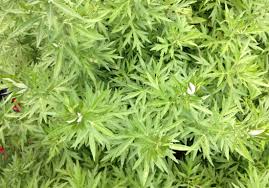
Artesunate is a semi-synthetic compound derived from artemisinin, a natural substance extracted from the plant Artemisia annua, also known as sweet wormwood.

Artecin is a natural compound derived from artemisinin, a bioactive substance extracted from the plant Artemisia annua, commonly known as sweet wormwood.

Apigenin is a naturally occurring bioflavonoid found in many fruits, vegetables, and herbs.

Angiostop is a natural extract derived from Japanese Scleractinia soft coral and certain marine organisms traditionally found in the Pacific region

Amygdalin is a naturally occurring compound classified as a cyanogenic glycoside. It is found in the seeds (kernels) of certain fruits, particularly apricot kernels, as well as bitter almonds, peach pits, plum seeds, and cherry pits.

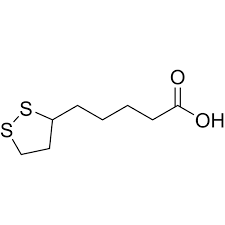
Alpha Lipoic Acid (ALA), also known as thioctic acid, is a naturally occurring compound found in every cell of the human body. It plays an essential role in energy production by helping enzymes convert nutrients into usable energy.


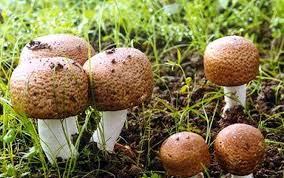
Agaricus blazei Murill (ABM) is a medicinal mushroom traditionally valued for its health-supporting properties. It is a fungus, commonly referred to as the Brazilian mushroom, Himematsutake, or God’s mushroom.

Alpha Lipoic Acid (ALA), also known as thioctic acid, is a naturally occurring compound found in every cell of the human body. It plays an essential role in energy production by helping enzymes convert nutrients into usable energy.
How to predict whether the treatment will be effective before cancer treatment starts?

The effectiveness of cancer treatment varies among each patient.

How to Choose the Best Supplement Brand

Not all supplements are created equal. Here’s what to look for when selecting a high-quality product.

Scientific Research

Scientific Research Look for supplements backed by clinical studies, especially those specific to cancer cell lines or patient populations.

Third-Party Testing

Choose brands that undergo independent testing for purity, potency, and contaminants (e.g., NSF, USP, ConsumerLab).

Quality Ingredients

Opt for products with high-quality, bioavailable ingredients and minimal fillers, additives, or artificial colors.

Message us on Whatsapp to know more about liquid biopsy

Precision medicine provides patients with clearer and more personalized treatment guidelines

Enquire about liquid biopsy by sending us a message today

Name
Checkboxes