

Evidence-based guides to vitamins, minerals, herbal supplements, and sports nutrition—no hype, just facts.
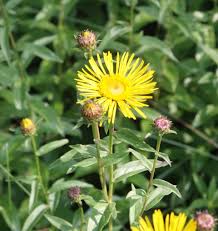
Salicinium, more commonly known as salicin, is a naturally occurring compound found in the bark of willow trees(Salix species). It is classified as a plant-derived phenolic glycoside and has been used for centuries in traditional herbal practices, particularly in Europe and Asia.
Historically, willow bark preparations were valued for their ability to support comfort, inflammation balance, and general well-being. Salicin is also recognized as the natural precursor to acetylsalicylic acid, although salicinium itself is distinct from synthetic aspirin and is metabolized more gradually in the body.
In modern integrative health, salicinium is explored as a gentle, plant-based option for supporting comfort and inflammatory balance.
Interest in salicinium for cancer patients centers on its anti-inflammatory and antioxidant-related properties, which may help support overall wellness.
Research suggests salicinium may support the body through:
These mechanisms may help cancer patients feel more comfortable and supported, especially when dealing with inflammation-related discomfort. These effects are supportive, not curative.
Some cancer patients explore salicinium as part of an integrative, comfort-focused care plan.
Common reasons include:
Salicinium is often considered by patients who value natural compounds with long-standing traditional use.
Salicinium is generally considered well tolerated when used appropriately, but individual medical situations must be carefully considered.
Cancer patients should always discuss salicinium use with their oncologist or healthcare provider, particularly if they are receiving treatments that affect blood counts or coagulation.
Salicinium is commonly taken:
Salicinium may be found as:
Standardized extracts are often preferred for consistency.
Responsible use and professional oversight are essential.
Modern liquid biopsy tests analyze cancer-related material in the bloodstream, including circulating tumor cells (CTCs).
By studying these cells, clinicians may gain insight into:
This information supports personalized discussions between patients and doctors, helping guide integrative care decisions in a more individualized way.
Salicinium is a willow-derived natural compound with a long history of use for comfort and inflammation balance. In integrative cancer care, it may serve as a gentle, plant-based supportive option when used wisely and under professional guidance.
For cancer patients, the most empowering approach includes:
When integrated responsibly, salicinium may contribute to overall comfort, balance, and quality of life alongside conventional cancer treatment.
本文内容仅供教育及资讯参考之用,并不能替代专业医疗建议、诊断或护理方案。癌症患者在开始任何新的营养补充品或天然护理方案前,应先咨询医生或合资格的医疗专业人员。

Learn how precision medicine can help with your cancer treatment

The effectiveness of cancer treatment varies among each patient.