
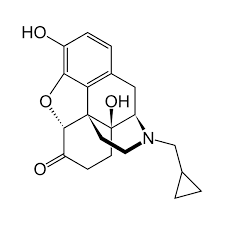
Naltrexone is a synthetic opioid receptor modulator originally developed to treat opioid and alcohol dependence. In low doses—known as Low-Dose Naltrexone (LDN)—it has gained significant recognition in integrative, functional, and autoimmune medicine for its unique ability to modulate the immune system, reduce inflammation, and promote endorphin balance.
While standard doses (50–100 mg) are used in addiction medicine to block opioid receptors, low doses (typically 0.5–4.5 mg) harness an entirely different biological mechanism—temporarily blocking opioid receptors to trigger a rebound increase in the body’s natural endorphins and enkephalins, enhancing immune and neurological function.
At low doses, Naltrexone acts as a short-term antagonist to the body’s opioid receptors. This mild blockade stimulates a rebound effect—upregulating production of endorphins, enkephalins, and regulatory immune peptides that help restore immune and neurological balance.
At the cellular and molecular level, Low-Dose Naltrexone (LDN) has been shown to:
Modulate immune response, balancing overactive and underactive immune signaling
Increase β-endorphin and met-enkephalin levels, enhancing mood, pain tolerance, and immune regulation
Downregulate inflammatory cytokines, such as TNF-α, IL-6, and IL-12
Inhibit microglial activation, reducing neuroinflammation in the brain and spinal cord
Enhance T-regulatory cell function, improving immune self-tolerance in autoimmune conditions
Modulate Toll-like receptor 4 (TLR4) on glial and immune cells, reducing chronic inflammation
Support mitochondrial and cellular repair, through indirect anti-inflammatory signaling
This combination of neuroimmune modulation and endorphin restoration makes LDN a uniquely holistic therapeutic molecule—targeting both mood and immune balance simultaneously.
Research and clinical use of Low-Dose Naltrexone suggest wide-ranging benefits across immune, neurological, and inflammatory conditions:
Autoimmune regulation, improving balance in conditions such as Hashimoto’s thyroiditis, rheumatoid arthritis, lupus, and multiple sclerosis
Pain management, especially in fibromyalgia, neuropathic pain, and chronic fatigue syndrome
Neuroprotection, by calming overactive microglia and supporting neural repair
Mood and emotional balance, through endorphin enhancement and serotonin regulation
Inflammation control, reducing systemic and localized inflammatory signaling
Immune support in oncology, studied for its potential to enhance immune surveillance and modulate tumor microenvironments
Improved sleep and stress resilience, by promoting circadian endorphin rhythm and restoring hypothalamic-pituitary balance
Because of its gentle yet systemic action, LDN is increasingly used as an adjunct therapy in chronic, immune, and inflammatory conditions—often complementing standard medical care.
Naltrexone is a prescription medication, available in various formulations. For LDN use, it is compounded in microdoses by specialized pharmacies.
Common forms include:
Capsules or liquid suspensions, dosed between 0.5–4.5 mg daily, typically taken at bedtime
Titration protocols, gradually increasing dosage to identify optimal response (often between 1.5–3.0 mg for sensitivity or 4.5 mg for standard response)
LDN is often combined in integrative protocols with:
Omega-3 fatty acids, for anti-inflammatory synergy
Vitamin D3 and melatonin, supporting immune and circadian modulation
Curcumin, resveratrol, or alpha-lipoic acid, for redox and mitochondrial support
Probiotics or gut-healing nutrients, in autoimmune and neuroinflammatory contexts
Clinical monitoring is advised, particularly when used alongside thyroid medications, immunotherapies, or pain management drugs, as LDN may alter sensitivity and dosage needs.
Naltrexone, in its low-dose form (LDN), represents one of the most fascinating examples of pharmacologic rebalancing through natural feedback loops.
By stimulating endorphin release, regulating immune activity, and reducing inflammation, LDN promotes healing from within, aligning neurochemical balance with immune harmony.
In integrative and precision medicine, LDN is recognized as a gentle yet powerful modulator—a tool that helps the body restore equilibrium across systems affected by stress, inflammation, or autoimmunity.
It exemplifies the modern therapeutic ideal: using small signals to create large healing responses—a bridge between conventional pharmacology and the body’s innate capacity for regeneration and resilience.
了解液体活检和化疗敏感性检测如何为您的护理方案提供个性化参考。
获取相关知识,更积极地参与与医疗团队之间的护理讨论。
了解精准医疗与代谢相关护理方式如何提升整体护理策略的参考价值。