Evidence-based guides to vitamins, minerals, herbal supplements, and sports nutrition—no hype, just facts.
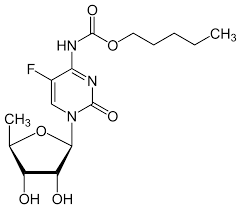
卡培他滨(Capecitabine)是一种口服化疗药物,常用于结直肠癌及乳腺癌的医疗管理,在某些情况下可作为静脉化疗的替代选择,为患者提供更便捷的给药方式。
卡培他滨属于前药(Prodrug),即进入人体后会被转化为具有药理活性的5-氟尿嘧啶(5-Fluorouracil)。
卡培他滨的设计旨在使其优先在肿瘤组织中转化为活性药物,进而干扰 DNA 合成并抑制癌细胞生长。与传统化疗相比,这种选择性活化机制可能有助于减少部分全身性不良反应。
然而,卡培他滨仍可能影响正常细胞,并引起手足综合征、腹泻及疲劳等不良反应。
不同患者对于癌症护理方案的反应与结果可能存在差异。
本内容仅供教育与资讯参考之用,不构成医疗建议、诊断或治疗方案。不同患者的癌症情况与护理方向均可能存在差异,开始任何新的护理方案、营养补充或相关安排前,请先咨询医生或合资格的专业医疗人员。本文不保证任何结果,个人反应与情况亦可能有所不同。
Learn how precision medicine can help with your cancer treatment
The effectiveness of cancer treatment varies among each patient.