Want to learn how liquid biopsy may help you choose suitable natural substances during your cancer journey?

What Is Kidney Cancer — and How Does It Happen?

What is kidney cancer?

Kidney cancer occurs when cells in the kidney begin to grow uncontrollably and form a tumor.

The most common type is renal cell carcinoma (RCC), which accounts for around 90% of kidney cancers.

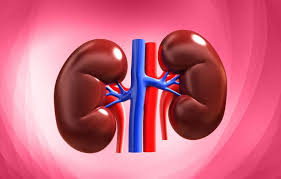
Your kidneys play an essential role in:

  • Filtering waste from the blood
  • Balancing fluids and electrolytes
  • Producing hormones that regulate blood pressure

When normal cell regulation is disrupted, abnormal cells may accumulate and form a mass.


How does kidney cancer happen?

At the core, kidney cancer begins with changes in DNA inside kidney cells.

These changes can cause cells to:

  • Grow and divide rapidly
  • Avoid natural cell death (apoptosis)
  • Form tumors that may grow or spread over time

In many cases, these DNA changes are not linked to a single cause, but may develop gradually due to a combination of factors.

How to predict whether the treatment will be effective before cancer treatment starts?

The effectiveness of cancer treatment varies among each patient.

Risk factors associated with kidney cancer

Certain factors are associated with a higher likelihood of developing kidney cancer:

🚬 Smoking

Chemicals in tobacco may damage DNA and increase cancer risk.

⚖️ Obesity

Excess body weight may alter hormone levels and promote abnormal cell growth.

💓 High blood pressure

Long-term hypertension has been linked to increased kidney cancer risk.

🧬 Genetic factors

Some inherited conditions (e.g., von Hippel–Lindau syndrome) may increase susceptibility.

🏥 Chronic kidney disease

Long-term kidney damage or dialysis may elevate risk.


Why is kidney cancer often detected late?

One of the key challenges is that kidney cancer may develop silently in early stages.

Many people do not experience symptoms until the disease has progressed.

When symptoms do appear, they may include:

  • Blood in the urine
  • Persistent back or side pain
  • Unexplained weight loss
  • Fatigue

However, these symptoms are not specific and may be related to other conditions.


A note on early awareness

Understanding how kidney cancer develops may help individuals:

  • Recognize potential risk factors
  • Seek medical advice when needed
  • Make more informed health decisions

While not all cases can be prevented, awareness plays an important role in early detection and care planning.


References (APA Style)

  • American Cancer Society. (2023). What is kidney cancer? Retrieved from https://www.cancer.org/cancer/kidney-cancer/about/what-is-kidney-cancer.html
  • National Cancer Institute. (2023). Kidney (renal cell) cancer—patient version. Retrieved from https://www.cancer.gov/types/kidney
  • Ljungberg, B., et al. (2019). EAU guidelines on renal cell carcinoma. European Urology, 75(5), 799–810.
  • Linehan, W. M., & Ricketts, C. J. (2019). The metabolic basis of kidney cancer. Seminars in Cancer Biology, 57, 23–31.
  • Scelo, G., & Larose, T. L. (2018). Epidemiology and risk factors for kidney cancer. Journal of Clinical Oncology, 36(36), 3574–3581.

Want to learn how liquid biopsy may help you choose suitable natural substances during your cancer journey?

Precision medicine provides patients with clearer and more personalized treatment guidelines

Enquire about liquid biopsy by sending us a message today

Name
Checkboxes

Message us on Whatsapp to know more about liquid biopsy

Learn how precision medicine can help with your cancer treatment

How to predict whether the treatment will be effective before cancer treatment starts?

The effectiveness of cancer treatment varies among each patient.