
Sunbathing is commonly associated with relaxation, holidays, and achieving a tan. However, prolonged or repeated exposure to sunlight—especially without protection—can have serious long-term effects on skin health. One of the most well-established risks is the development of skin cancer. While moderate sunlight has benefits, excessive ultraviolet (UV) exposure is a major environmental factor linked to cancer formation.
Sunlight contains different types of radiation, but two forms are most relevant to the skin:
When skin is exposed to UV radiation, it produces melanin, the pigment responsible for tanning. A tan is not a sign of health but rather a protective response to DNA damage.
UV radiation can damage skin cells in several ways:
If the body cannot fully repair this damage, mutations accumulate. Some mutations affect genes that regulate cell growth, such as tumor suppressor genes. Over time, these changes can lead to uncontrolled cell division and cancer development.
This is the most common type of skin cancer. It is usually linked to long-term sun exposure and tends to grow slowly. Although it rarely spreads, it can cause significant local tissue damage if untreated.
This type is also associated with cumulative UV exposure. It can spread to other parts of the body if not treated early and often appears on frequently exposed areas such as the face, ears, and hands.
Melanoma is less common but more aggressive. It is strongly associated with intense, intermittent sun exposure and repeated sunburns. It has a higher likelihood of spreading to other organs.
The effectiveness of cancer treatment varies among each patient.
There is strong scientific consensus linking UV exposure to skin cancer:
Both long-term exposure and short periods of intense exposure contribute to risk.
Sunbathing often involves conditions that increase UV exposure:
Because of these factors, sunbathing can result in concentrated UV exposure that exceeds the skin’s ability to repair damage.
A tan protects the skin
A tan offers very limited protection and does not prevent further DNA damage.
No sunburn means no damage
Skin damage can occur even without visible redness or discomfort.
Cloudy weather is safe
A significant proportion of UV radiation can pass through clouds, meaning exposure still occurs.
Certain individuals have a higher susceptibility to UV-related skin damage:
However, skin cancer can affect people of all skin tones.
Reducing UV exposure is the most effective way to lower risk:
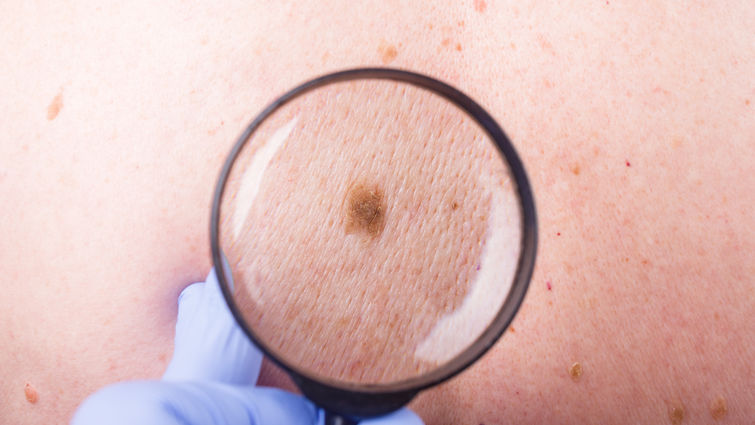
Regular skin checks and early detection are also important. Monitoring for new or changing moles can help identify potential issues early.
Sunbathing, particularly when done frequently or without protection, can increase the risk of skin cancer. The relationship between UV radiation and cancer development is well supported by scientific evidence. While sunlight has benefits, excessive exposure can lead to cumulative DNA damage that may result in serious health consequences over time.
Understanding how UV radiation affects the skin allows individuals to make more informed decisions. By adopting protective habits and being aware of risks, it is possible to enjoy time outdoors while reducing the likelihood of long-term harm.
Precision medicine provides patients with clearer and more personalized treatment guidelines


Learn how precision medicine can help with your cancer treatment

The effectiveness of cancer treatment varies among each patient.