
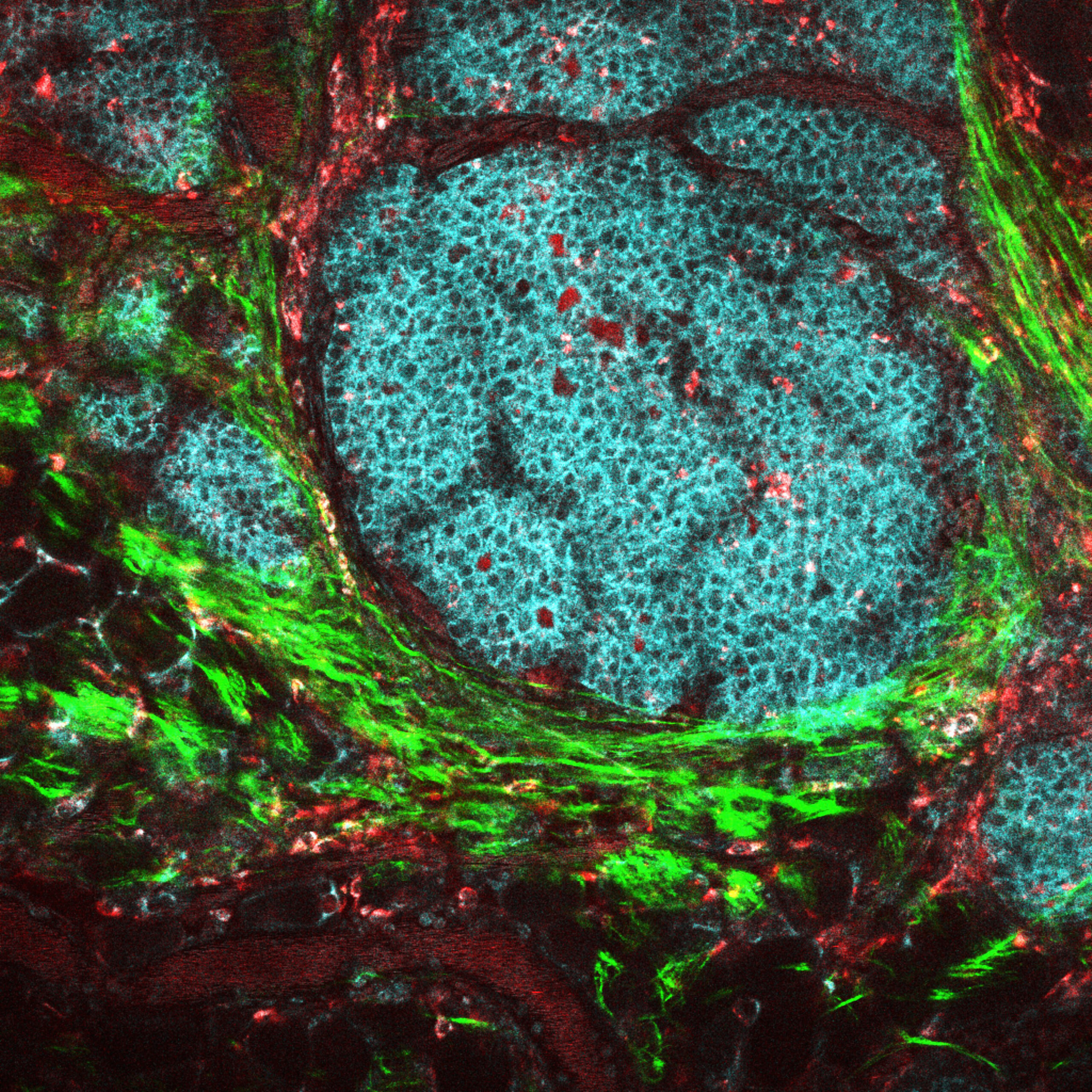
Metastasis does not mean the cancer has changed into a different disease. It means the original cancer has spread. For example, if breast cancer spreads to the liver, it is still metastatic breast cancer, not liver cancer. NCI notes that metastatic cancer keeps the name of the primary cancer because the metastatic tumor cells are like those in the original tumor.
This matters because treatment decisions are usually based on the biology of the original cancer, not just the organ where the spread is found. It is one reason doctors work carefully to identify where a cancer started, even when metastatic disease is already present. In some cases, spread may be found before the primary site is obvious, which is why doctors may use imaging, pathology, and other tests together.
Cancer cells can spread in several steps. They may leave the original tumor, invade nearby tissue, enter the bloodstream or lymphatic system, survive while traveling, and then settle in another part of the body where they begin growing again. NCI’s metastasis research describes this as a complex process involving cancer cells leaving the primary tumor, traveling through circulation or lymph, surviving, and colonizing distant organs.
This process is biologically complex, and not every cancer cell that escapes the original tumor will successfully form a new metastatic site. But when spread does happen, it is one of the main reasons cancer becomes more difficult to treat. NCI notes that many cancer deaths are caused when cancer moves from the original tumor and spreads to other tissues and organs.
Scans are very important in cancer care, but they do not always show the very earliest spread. Imaging tests are used to look for cancer and see how far it has spread, but they rely on being able to detect visible or measurable changes inside the body. Very small clusters of cancer cells may still be below that threshold. That is where the idea of micrometastasisbecomes important.
This means that metastatic spread can sometimes begin at a microscopic level before it becomes visible on CT scans, MRI scans, PET scans, or other imaging studies. It does not mean scans are unhelpful. It means scans are one part of the picture, and some cancer-related changes can happen before they are large enough to be seen.
Even with those limits, imaging remains essential. The American Cancer Society explains that imaging tests can be used to look for cancer, find out how far it has spread, and help determine whether treatment is working. In daily practice, scans help doctors stage cancer, look for metastatic sites, monitor known lesions, and compare whether tumors are shrinking, growing, or staying stable over time.
So the goal is not to choose between scans and biology. It is to combine both whenever appropriate. Imaging shows what can be seen in the body, while other tests may sometimes provide additional clues about what the cancer is doing at a molecular level.
Because cancer can change over time, doctors sometimes use biomarker testing to better understand the biology of a tumor. NCI explains that biomarker testing finds changes in a cancer that could help guide treatment decisions. These biomarkers can also help doctors monitor cancer during and after treatment in some situations.
Another tool that may add information is liquid biopsy. NCI defines liquid biopsy as a laboratory test done on blood, urine, or another body fluid to look for cancer cells or small pieces of DNA, RNA, or other molecules released by tumor cells. Because liquid biopsy allows multiple samples to be taken over time, it may help doctors understand genetic or molecular changes taking place in a tumor.
In some cancers, blood-based liquid biopsy tests are already used to help guide treatment decisions, especially when looking for tumor DNA shed into the blood. NCI has also noted that broader use of liquid biopsy for monitoring response or detecting returning cancer is promising but still limited by unresolved challenges. That is why these tests can be valuable in the right setting, but they do not replace every scan or every tissue biopsy.
The effectiveness of cancer treatment varies among each patient.
For patients and families, the most important takeaway is that metastasis is not always something that begins only when it appears on a scan. Sometimes the biology of spread may start earlier, even when imaging still looks reassuring. That is one reason follow-up, staging, biomarker testing, and ongoing monitoring can all matter, depending on the cancer type and the clinical situation.
It also means that getting clearer biological insights may help support more informed decisions. The right question is not only “What does the scan show today?” but also “What do we know about how this cancer behaves?” That broader view is often what helps doctors and patients think more clearly about the next step.
Metastasis is the process by which cancer spreads from one part of the body to another, and it remains one of the most important challenges in oncology. But understanding how metastasis works can make the subject less mysterious. Scans remain a critical part of cancer care, yet some early spread may begin before imaging can detect it. That is why combining imaging with clinical follow-up and, when appropriate, molecular or biomarker-based insights is becoming increasingly important.
At Cancer A-Z, you can request a 15 mins free-of-charge discussion with our cancer professionals. Start with a conversation.
National Cancer Institute. Metastatic Cancer: When Cancer Spreads.
National Cancer Institute. Definition of metastasis.
National Cancer Institute. Definition of metastasize.
National Cancer Institute. Definition of micrometastasis.
National Cancer Institute. Tumor Metastasis Research.
American Cancer Society. Imaging (Radiology) Tests.
American Cancer Society. Cancer Staging.
National Cancer Institute. Biomarker Testing for Cancer Treatment.
National Cancer Institute. Tumor Markers Fact Sheet.
National Cancer Institute. Liquid Biopsy: Using Tumor DNA in Blood to Aid Cancer Care.
National Cancer Institute. Definition of liquid biopsy.
National Cancer Institute. FDA Approves Blood Tests That Can Help Guide Cancer Treatment.
National Cancer Institute. Increasing ctDNA Volume to Improve Liquid Biopsy Sensitivity.
Precision medicine provides patients with clearer and more personalized treatment guidelines


Learn how precision medicine can help with your cancer treatment

The effectiveness of cancer treatment varies among each patient.