
Why Cancer Screening Before Stem Cell Therapy is Critical

The Direct Answer:

Stem cell therapy without prior cancer screening may expose patients—especially those with undetected cancer or ongoing carcinogenic processes—to an increased risk of tumor development or progression, even in the absence of symptoms.

Dangers of receiving stem cell therapy without screening the patient for cancer or carcinogenesis

Stem cell therapy may increase cancer risk in individuals with underlying cancer or carcinogenic processes.

Scientific evidence highlights this clearly:

  • “Therapies that increase stem cell proliferation may raise the probability of mutation accumulation and cancer development”(Meyer-Hermann, 2018)

  • “Undetected malignancies or pre-cancerous conditions significantly increase the tumorigenic risk associated with stem cell therapies”(Preprint, 2024)

  • “Stem cells may contribute to tumor growth depending on the surrounding microenvironment.” (Piscaglia, 2008)

If cancer already exists—even silently or without symptoms—stem cell therapy may amplify that risk rather than reduce it.

Stem Cell Therapy: A Powerful Therapy

But Requires Careful Patient Selection

Stem cell therapy is widely used in regenerative medicine and may offer meaningful benefits in appropriate clinical settings.

However, for certain patients, additional caution is required.

In particular, for individuals with:

  • Existing cancer
  • Pre-cancerous conditions
  • Underlying carcinogenic molecular signals

There may be an increased biological risk that should be carefully evaluated before treatment. 

“Stem cells may act as a “double-edged sword”, with the potential to support tumor growth under certain conditions “(Piscaglia, 2008)

“Therapies involving increased cell proliferation may raise the probability of mutation accumulation, a known driver of cancer(Meyer-Hermann, 2018)

“Tumorigenicity remains a recognized safety consideration in regenerative medicine” (Wei et al., 2024)

📊 What Research Shows

Study Direct Finding What This Means for You
Preprint (2024) “Undetected malignancies significantly increase tumorigenic risk” If cancer is already present—even without symptoms—the risk may be higher.
Heydari et al. (2020) “Secondary malignancies are a significant late complication” New cancers can develop after stem cell therapy if underlying risk already exists.
Piscaglia (2008) “Stem cells may contribute to tumor growth depending on the microenvironment” If cancer cells already exist, stem cells may help them grow.
Meyer-Hermann (2018) “Increased stem cell proliferation raises mutation accumulation and cancer development” If cancer has already started developing—even at a very early stage—treatments that increase cell growth may also increase cancer risk.
RIVM (2014) “Risk increases when appropriate patient selection and pre-treatment evaluation are not performed” Without proper screening, hidden cancer risk may be missed before treatment.
If cancer already exists—even silently without symptoms—stem cell therapy may increase the risk rather than reduce it.

The Missing Step before Stem Cell Therapy

Many patients still receive stem cell therapy without being screened for cancer or carcinogenic risk.

This is where the real danger lies.

If a patient already has:

  • Early-stage cancer (no symptoms yet)
  • Dormant or microscopic tumor cells
  • Circulating tumor cells (CTCs)
  • Genetic or molecular carcinogenic signals

👉 These risks are invisible—but not absent.

What Could Happen Without Screening?

Research suggests:

  • Growth signals may activate hidden tumor cells
  • Immune modulation may reduce cancer control
  • Cellular proliferation may accelerate mutation accumulation

Supporting evidence:

  • “Stem cells… may promote tumor growth under certain conditions” (Piscaglia, 2008)
  • “Increased proliferation raises mutation probability” (Meyer-Hermann, 2018)
  • “Undetected malignancies significantly increase risk” (Preprint, 2024)

 If cancer already exists—even silently and without symptom—the risk may be amplified.

🧬 When Cancer Risk Already Exists — What Happens?

If cancer or carcinogenic processes are already present:

  • The body is already in a biologically vulnerable state
  • Stem cell therapy may interact with and amplify these signals
  • The outcome may become less predictable and harder to reverse
This is why screening before treatment is critical—not optional.

A Responsible Approach:
Screen Before You Treat

The conclusion across studies is consistent:

Do not proceed with stem cell therapy without understanding your cancer risk.

The RIVM report (2014) states:

 “Inadequate patient selection and insufficient pre-treatment evaluation are key risk factors in stem cell therapy safety.”

Recommended Pre-Screening Before Stem Cell Therapy

Approach Details
PBMC-Based Cancer Pre-Screening Analysis of Peripheral Blood Mononuclear Cells (PBMCs) to detect early biological signals associated with carcinogenesis.

Helps identify early cancer-related changes before tumors and cancer symptoms are visible.
Immune System Profiling Assessment of immune cells including T cells, macrophages, natural killer (NK) cells, and related immune responses
Advanced Blood-Based Testing Liquid biopsy, circulating tumor cell (CTC) detection, and other relevant biomarkers for early cancer signals
Clinical Risk Assessment Review of medical history, lifestyle factors, and overall clinical evaluation

Why PBMC-Based Pre-Screening Matters

If cancer already exists—even silently or without symptoms—
the risk of cancer may be amplified if stem cell therapy is introduced.

PBMC-based analysis detects early biological signals of carcinogenesis by reflecting how the immune system responds to abnormal activity.

It can identify:

  • Early changes before tumor formation
  • Immune dysfunction linked to cancer
  • Biological risk before symptoms appear

Cancer begins with biological changes—not symptoms—and PBMC helps detect these risks before treatment.

PBMC Testing: A Strongly Recommended Pre-Screen Before Stem Cell Therapy

What if hidden cancer signals already exist in your body before treatment begins?

Stem cell therapy offers regenerative potential, but it can also interact with undetected early cancer signals or immune changes—potentially amplifying risk in vulnerable individuals.

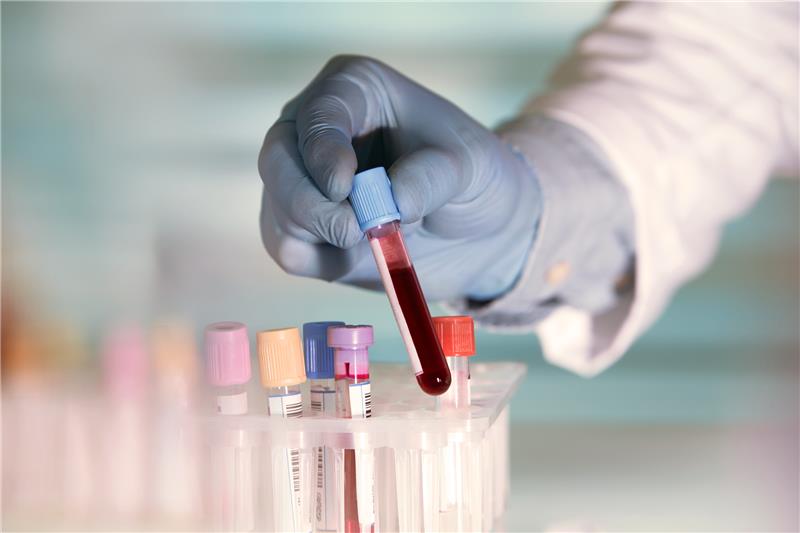
A Peripheral Blood Mononuclear Cell (PBMC) test provides valuable early insight through a simple blood draw, helping reveal body-wide warning signals that may appear before tumors form or standard tests such as imaging or CEA show abnormalities.
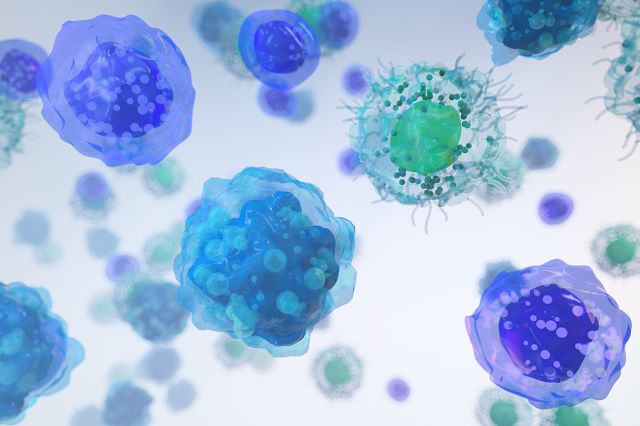
PBMC immune cells illustration
Simple blood draw • detect cancer before symptoms

Why PBMC Analysis Matters

Detects early biological warning signs PBMCs, including lymphocytes and monocytes, can reflect systemic immune dysfunction and epigenetic shifts linked to early carcinogenesis.
Strong study performance Multiplex methylation assays have shown strong performance in early cancer detection, including breast cancer with AUC 0.94 and sensitivity 93%, and colorectal cancer with AUC 0.91 for early-stage disease.
AI-powered classification accuracy Machine-learning models using PBMC gene expression have reported up to 96.7% accuracy for breast cancer classification, including triple-negative cases.
Non-invasive and systemic Unlike localized or later-stage markers, PBMC analysis captures body-wide signals through a simple blood test, making it highly useful as an early pre-screen.

How to Use PBMC Screening

1. Start with PBMC analysis
Assess early signals using methylation, gene expression, and immunophenotyping.
2. Combine with additional testing if needed
Add immune profiling and advanced follow-up tools such as liquid biopsy or circulating tumor cell analysis when appropriate.
3. Proceed only after favorable findings
Move forward with stem cell therapy only after reassuring results, or adjust the plan toward prevention or monitoring if concerns arise.

Comparison of Screening Options

Method Early Sensitivity Non-Invasive Systemic Priority
Imaging Low No No Supportive
Tumor markers Moderate Yes Partial Insufficient
ctDNA Good Yes Yes Secondary
PBMC Analysis High Yes Yes Strongly Recommended
This test can enhance safety and personalization. Strongly consider PBMC screening before stem cell therapy to better inform your decisions.


Explore PBMC testing with our team today

📌 Before Stem Cell Therapy, Ask Yourself:

Have you been screened for hidden cancer or carcinogenic signals before considering stem cell therapy?

Are you sure there are no early cancer-related changes in your body that are not yet causing symptoms?

Do you understand your current cancer risk before proceeding with treatment?

Have you used sensitive testing (e.g., PBMC-based analysis) to detect early biological signals before treatment?

Are you proceeding with therapy with a clear understanding of your underlying biological condition?

👉 If any of your answers is “No” or uncertain, you should consider a comprehensive pre-screening test before proceeding with stem cell therapy.

Are you starting your Stem Cell ?

Know more about cancer pre-screening test

Contact Us

Contact Us for the updated information on Precision Medicine

Call / Whatsapp Us

+852 4750 3485

Email Us

info@mycancerinfo.org

Send Us a Message

    References 

    Heydari, K., et al. (2020). Malignancies after hematopoietic stem cell transplantation: A systematic review and meta-analysis.
    https://pubmed.ncbi.nlm.nih.gov/32108275/

    Rizzo, J. D., et al. (2009). Solid cancers after allogeneic hematopoietic cell transplantation.
    https://pmc.ncbi.nlm.nih.gov/articles/PMC2635083/

    Ragon, B. K., et al. (2023). Second primary malignancies after autologous hematopoietic stem cell transplantation in multiple myeloma: A CIBMTR registry study.
    https://pubmed.ncbi.nlm.nih.gov/36827681/

    Gallagher, G., & Forrest, D. L. (2006). Second solid cancers after allogeneic hematopoietic stem cell transplantation.
    https://www.sciencedaily.com/releases/2006/11/061127112922.htm

    Piscaglia, A. C. (2008). Stem cells, a two-edged sword: Risks and potentials of regenerative medicine.
    https://pmc.ncbi.nlm.nih.gov/articles/PMC2731176/

    Meyer-Hermann, M. (2018). Estimation of the cancer risk induced by therapies targeting stem cell replication. Scientific Reports.
    https://www.nature.com/articles/s41598-018-29967-6

    Bug, G., et al. (2019). Stem cell transplant patients face lifelong cancer risk.
    https://www.medscape.com/viewarticle/910930

    Wei, X., et al. (2024). Advancements and challenges in stem cell transplantation: A comprehensive review.
    https://www.sciencedirect.com/science/article/pii/S2405844024118671

    RIVM. (2014). Stem cell therapy: Evaluation of risk factors.
    https://www.rivm.nl/bibliotheek/rapporten/360060002.pdf

    Preprints.org. (2024). Ensuring safety in stem cell therapies: A review of tumorigenic risks and mitigation strategies.
    https://www.preprints.org/manuscript/202409.0136