
Cancer carries a unique emotional weight. For many patients, survivors, and caregivers, it represents uncertainty, loss of control, and treatments that are physically and emotionally exhausting. Unlike many chronic diseases, cancer often enters the conversation only after it has already begun.
For heart disease, there are numbers to watch. Blood pressure, cholesterol, blood sugar, and weight trends offer clear warning signs long before a heart attack or stroke occurs. For diabetes, glucose and HbA1c levels provide measurable guidance. Liver and kidney diseases can be monitored through routine blood tests long before irreversible damage develops.
Cancer, however, has traditionally relied on a different approach: find it early, then treat it aggressively.
While early detection improves outcomes, it still means the disease has already started. Surgery, chemotherapy, and radiation—though life-saving—are not minor interventions. This reality raises an important question:
Is it possible to assess cancer risk earlier, before cancer even exists?
Cancer does not appear overnight. It develops over time, beginning at the cellular level. Long before a tumor can be seen on imaging or detected through standard blood tests, subtle molecular damage is already taking place.
At the core of this process is DNA damage.
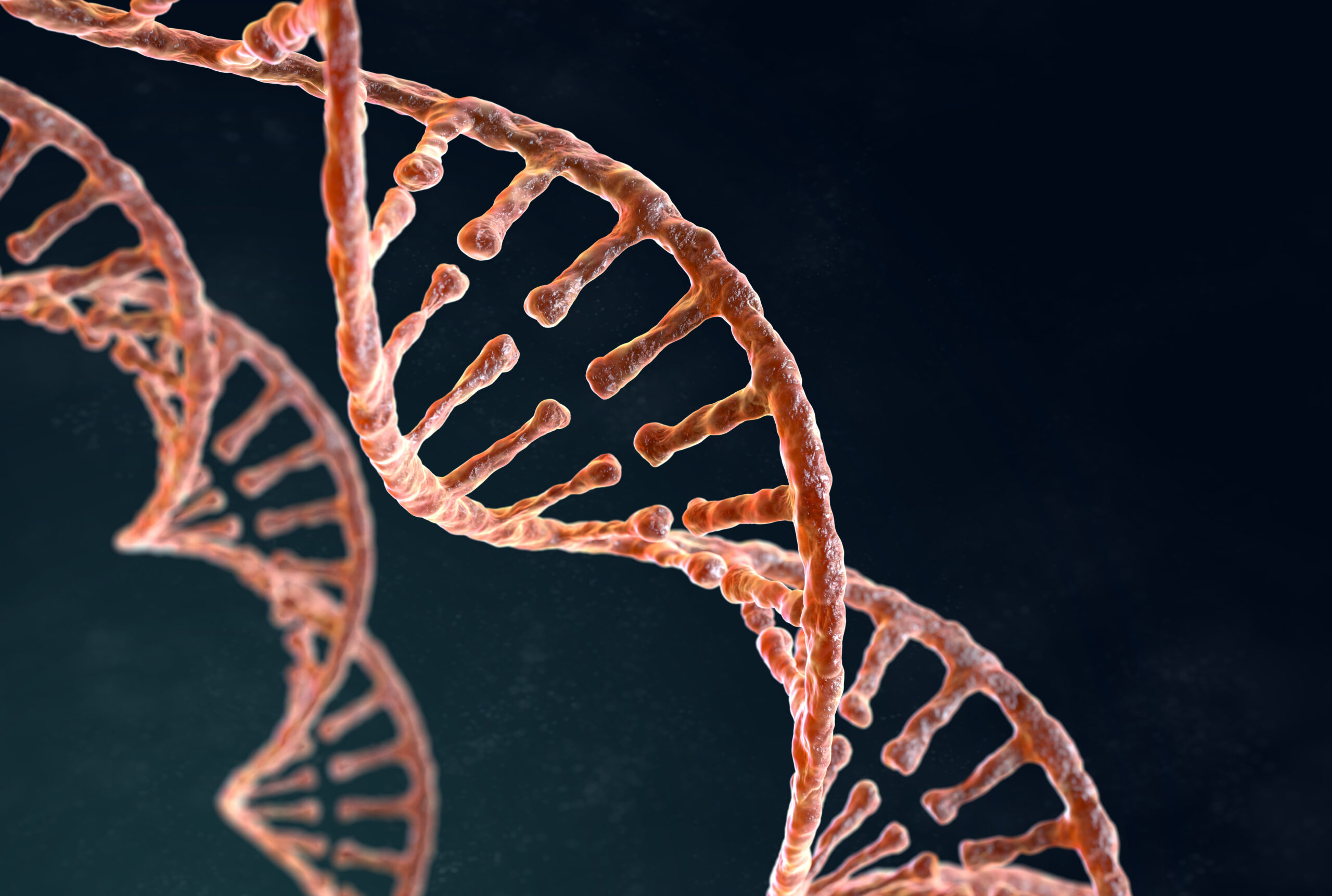
DNA carries the instructions that guide how cells grow, repair themselves, and die when necessary. When DNA is repeatedly damaged and repair mechanisms fail, cells may begin to grow uncontrollably. This is one of the fundamental biological pathways that can lead to cancer.
From a prevention perspective, protecting DNA integrity is not an abstract concept—it is a practical, measurable target.
Most people are familiar with the idea of “oxidative stress,” often described as an imbalance between free radicals and the body’s ability to neutralize them.
Free radicals are unstable molecules produced through normal metabolism, inflammation, environmental exposures, and lifestyle factors. In controlled amounts, they play useful roles. When they accumulate excessively, they can damage cellular components such as lipids, proteins, and DNA.
DNA damage is particularly concerning because it directly affects how cells replicate and function. Over time, repeated injury increases the likelihood of mutations that escape normal cellular controls.
This process is not unique to cancer. Elevated oxidative stress is also linked to cardiovascular disease, diabetes, neurodegenerative disorders, and accelerated aging. This shared pathway explains why chronic inflammation and metabolic imbalance are associated with multiple diseases, not just cancer.
The effectiveness of cancer treatment varies among each patient.
One of the most empowering advances in preventive health is the ability to measure biological stress before symptoms appear.
When DNA is damaged by oxidative stress, the body repairs it and releases specific byproducts that can be detected in urine. One such marker reflects oxidative DNA injury and provides insight into how much genetic stress the body is experiencing.
This type of biomarker does not diagnose cancer. Instead, it offers a window into risk—a signal that the body is under molecular strain and that intervention may be needed.
Elevated levels have been associated with exposures such as tobacco smoke, air pollution, heavy metals, occupational toxins, and chronic inflammation. They have also been linked to increased risk of metabolic and cardiovascular diseases, reinforcing the idea that DNA damage is a common upstream driver of many chronic conditions.
For patients, this kind of testing shifts the narrative from fear to opportunity.
Traditional cancer screening often creates anxiety because abnormal results suggest something may already be wrong. In contrast, monitoring DNA damage markers offers a chance to act earlier—before disease develops.
This approach supports prevention strategies such as:
Importantly, abnormal results do not imply failure. They provide actionable information, allowing individuals to adjust habits, environments, and medical strategies with clarity rather than guesswork.
Precision medicine is transforming how prevention and care are delivered. Instead of treating everyone the same based on population averages, this approach focuses on individual biology.
By integrating biomarkers, genetics, metabolic data, and environmental factors, precision medicine allows patients and clinicians to understand why risk exists, not just whether it exists.
This personalized framework helps guide decisions about monitoring frequency, lifestyle priorities, and supportive interventions—without relying on fear or assumptions.
One of the most promising tools in precision health is liquid biopsy. Unlike traditional biopsies that require tissue samples, liquid biopsy analyzes biological signals circulating in the blood.
From a patient perspective, liquid biopsy supports prevention and care in several meaningful ways:
Changes at the cellular and genetic level may be detectable long before tumors are visible through imaging.
Biological signals help identify who may need closer monitoring and who may not, reducing unnecessary interventions.
For patients with a cancer history, liquid biopsy can help track response to therapy and detect changes earlier than conventional methods.
Data from liquid biopsy supports individualized decisions rather than generalized protocols.
Rather than waiting for disease to declare itself, liquid biopsy enables patients to stay informed about their internal biology in real time.
Cancer prevention does not need to rely solely on waiting and watching. By focusing on DNA integrity, oxidative stress, and personalized biomarkers, prevention becomes proactive rather than reactive.
Early detection will always remain important. But earlier still is risk awareness, guided by measurable biological signals that reflect how the body is functioning today—not years from now.
For those who are not ready to give up on their health, this approach offers something powerful:
clarity, agency, and the opportunity to intervene before illness takes hold.
National Cancer Institute. (2023). What is cancer? https://www.cancer.gov
National Institutes of Health. (2022). Oxidative stress and disease. https://www.nih.gov
World Health Organization. (2020). Cancer prevention. https://www.who.int
Cleveland Clinic. (2023). Oxidative stress and free radicals. https://health.clevelandclinic.org
Nature Reviews Cancer. (2020). DNA damage and cancer development. https://www.nature.com
Nature Reviews Clinical Oncology. (2021). Liquid biopsy in cancer detection and monitoring. https://www.nature.com
Precision medicine provides patients with clearer and more personalized treatment guidelines


Learn how precision medicine can help with your cancer treatment

The effectiveness of cancer treatment varies among each patient.