
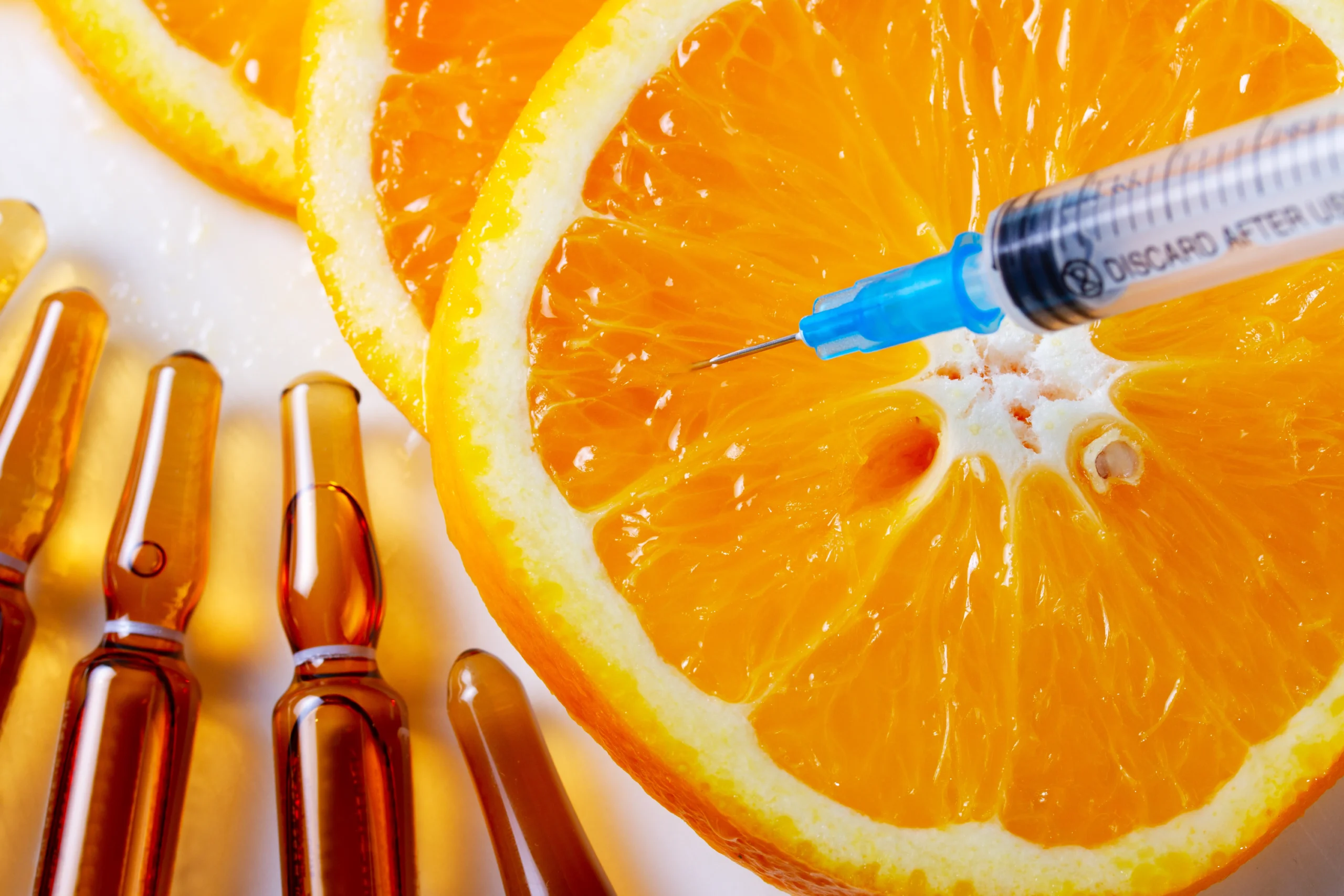
Understanding Intravenous Vitamin C Therapy: Setting Realistic Expectations
Intravenous vitamin C (IVC) therapy has been discussed in cancer care for nearly half a century. Since the 1970s, early research led by prominent scientists suggested that high-dose vitamin C might benefit cancer patients, sparking global interest.
Today, IVC therapy is widely known among cancer patients, and many actively request it as part of their care. However, popularity does not always equal proper understanding. In recent years, the field has faced increasing price competition, sometimes at the expense of medical rigor and individualized care.
Nutritional therapies are appealing precisely because they feel “natural,” but this is also what makes them complex. Unlike standard drug protocols, there is no universal vitamin C infusion formula suitable for everyone. The effectiveness and safety of IVC depend heavily on personalization—dose, timing, frequency, and patient condition all matter.
Before deciding whether IVC therapy is right for you or a loved one, it is essential to approach it with clear knowledge and realistic expectations.
Below are the five most important clinical questions patients ask about intravenous vitamin C therapy for cancer.
Multiple phase I clinical trials have demonstrated that intravenous vitamin C therapy has a high safety profile when administered appropriately.
Reported side effects occur in approximately 1% of patients and are usually mild, including nausea, dizziness, dry mouth, fatigue, weakness, or temporary discomfort at the injection site. With careful clinical monitoring and proper infusion techniques, these effects can often be minimized.
Certain populations—including individuals with G6PD deficiency, heart failure, kidney failure, iron overload disorders, or those on dialysis—require special caution. For these patients, physicians must carefully assess risks and adjust treatment protocols.
A common concern is whether high-dose vitamin C causes kidney stones. Early case reports raised this possibility, but larger prospective studies have not supported a causal link between vitamin C and kidney stone formation in individuals with normal kidney function. Research indicates that less than 0.5% of infused vitamin C is converted into oxalate.
That said, patients with pre-existing kidney disease should always consult experienced physicians before undergoing IVC therapy. Safety depends not only on the substance itself, but also on who receives it and how it is administered.
Interest in vitamin C as a cancer therapy began in the 1970s, when studies led by Cameron, Campbell, and Nobel laureate Linus Pauling reported prolonged survival in advanced cancer patients receiving high-dose vitamin C.
However, later randomized controlled trials conducted by the Mayo Clinic in 1979 and 1985 concluded that vitamin C did not improve survival or symptoms. These findings, published in The New England Journal of Medicine, led the scientific community to largely abandon the topic.
A critical detail was overlooked by many readers: the Mayo Clinic studies used oral vitamin C only, whereas earlier positive studies used intravenous administration. This distinction is crucial, as oral vitamin C cannot achieve the pharmacological blood concentrations attainable through IV infusion.
In the early 2000s, renewed interest emerged. Studies published in Annals of Internal Medicine and PNAS clarified that intravenous vitamin C behaves differently in the body and may exert anti-cancer effects through pro-oxidant mechanisms that selectively affect cancer cells.
While some small studies, case reports, and early clinical trials have shown promising results—including tumor regression and enhanced chemotherapy effects—most large studies have focused on late-stage patients and quality-of-life outcomes rather than cure. Doses used in studies vary widely, from 2.5 g to over 200 g, highlighting the importance of individualized treatment design.
Both animal studies and human clinical trials suggest that intravenous vitamin C can reduce chemotherapy-related toxicity without diminishing treatment effectiveness.
As a result, IVC is often considered a supportive or adjunctive therapy that may help patients better tolerate full chemotherapy regimens. Research has shown reductions in side effects affecting multiple systems, including the nervous system, bone marrow, liver, kidneys, gastrointestinal tract, skin, and infection risk.
For example, a 2014 study involving patients with stage III–IV ovarian cancer found that combining chemotherapy with intravenous vitamin C significantly reduced treatment-related toxicity while maintaining anti-cancer efficacy.
The effectiveness of cancer treatment varies among each patient.
Current evidence consistently shows that intravenous vitamin C does not interfere with chemotherapy effectivenessand may even enhance cancer cell sensitivity in certain contexts.
Radiotherapy presents a more complex picture. Some cell and animal studies suggest vitamin C may enhance radiation effects, while one animal study reported interference when radiation was administered only two hours after vitamin C infusion.
Importantly, studies showing benefit typically delayed radiotherapy by three to five days after vitamin C administration. This reinforces a key principle: timing matters. Dose, infusion schedule, and coordination with other treatments can determine whether vitamin C is beneficial or harmful.
Nutritional therapies are not inherently benign. Without proper planning, even helpful interventions can produce unintended consequences.
Yes—this is where evidence is most consistent.
Clinical studies have shown that intravenous vitamin C can improve fatigue, sleep quality, constipation, pain, and overall well-being in cancer patients. In a Japanese study, patients reported significant symptom improvement after two weeks of treatment, with further quality-of-life gains observed after four weeks.
However, even in quality-of-life studies, vitamin C dosing varied widely, underscoring once again that effectiveness depends on personalized protocol design rather than a fixed recipe.
Conclusion: A Personalized Supportive Therapy, Not a Standalone Cure
Based on current evidence, intravenous vitamin C therapy is a safe and well-tolerated supportive option for many cancer patients. It does not interfere with chemotherapy, may reduce treatment toxicity, and can meaningfully improve quality of life.
Whether it can cure cancer or significantly extend survival remains uncertain. Most clinical trials involve late-stage patients and focus on symptom relief rather than curative outcomes. Exceptional responses have been reported, but these cases likely depend on cancer type, tumor biology, treatment timing, and highly individualized protocols.
Intravenous vitamin C therapy works best when integrated thoughtfully into a broader treatment plan and guided by clinicians experienced in nutritional and integrative oncology. The more carefully a protocol is designed, the greater the potential benefit—and the lower the risk.
The goal is not blind optimism, but informed, realistic, and personalized care.
References (APA Style)
Cameron, E., & Campbell, A. (1974). The orthomolecular treatment of cancer II. Chemico-Biological Interactions, 9, 285–315.
Cameron, E., & Pauling, L. (1976). Supplemental ascorbate in the supportive treatment of cancer. PNAS, 73(10), 3685–3689.
Creagan, E. T., et al. (1979). Failure of high-dose vitamin C therapy. New England Journal of Medicine, 301, 687–690.
Chen, Q., et al. (2005). Pharmacologic ascorbic acid selectively kills cancer cells. PNAS, 102(38), 13604–13609.
Ma, Y., et al. (2014). High-dose parenteral ascorbate enhances chemosensitivity. Science Translational Medicine, 6, 222ra18.
Precision medicine provides patients with clearer and more personalized treatment guidelines


Learn how precision medicine can help with your cancer treatment

The effectiveness of cancer treatment varies among each patient.