
How We Predict Whether a Cancer Treatment Will Work — Before You Try It
Understanding how a cancer treatment might perform before starting therapy is becoming more feasible as precision-medicine tools advance. By analyzing circulating tumor cells and applying drug sensitivity testing, clinicians can gather information that may support treatment decisions.

How We Predict Whether a Cancer Treatment Will Work — Before You Try It
One of the biggest challenges in cancer treatment is uncertainty. Most patients begin chemotherapy or targeted therapies without knowing exactly how their cancer will respond. Some people improve, while others experience limited benefit — even when receiving similar treatments for the same diagnosis.
This variation is not random.
It reflects the fact that every cancer behaves differently at a biological level.
Why Cancer Responses Vary Between Patients
Even when two people share the same cancer type, their cancer cells may differ in important ways, including:
Genetic and molecular characteristics
Growth rate and overall aggressiveness
Sensitivity or resistance to certain drugs
How effectively they repair treatment-induced damage
How quickly they adapt or evolve over time
These biological differences contribute to why treatments may work well for some individuals but not as strongly for others. Standard treatment guidelines remain essential, but they cannot always predict how each patient will respond.
Liquid Biopsy: A New Window Into Tumor Behaviour
Traditionally, doctors evaluate whether a treatment is working only after it has begun — often weeks or months later. During this period, patients may experience side effects without clarity about effectiveness.
Liquid biopsy is a developing tool that may help address some of this uncertainty.
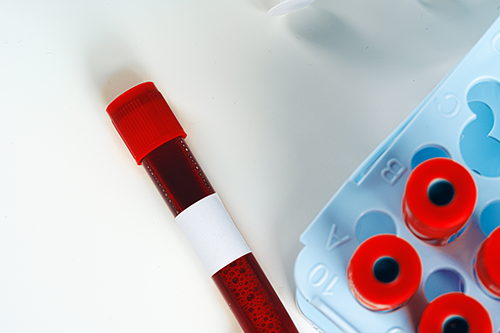
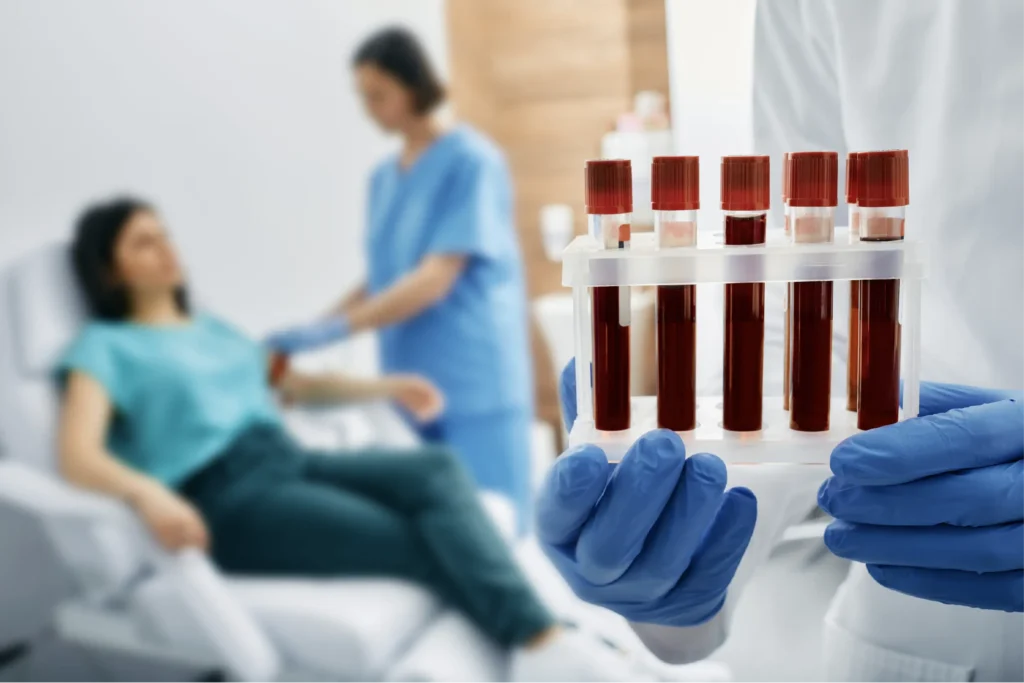
A liquid biopsy is a simple blood test that analyzes cancer-related components circulating in the bloodstream. Among these are circulating tumor cells (CTCs) — intact tumor cells that have entered the blood from the primary tumor or metastatic sites.
Because CTCs reflect real-time tumor activity, they may offer additional insight into how the cancer is behaving at a given moment.

Drug Sensitivity Testing: A More Individualized Approach
One emerging application of liquid biopsy involves drug sensitivity testing. This technique studies how a patient’s own circulating tumor cells (CTCs) respond when exposed to different anticancer medications in the laboratory.
Rather than relying only on broad population data, this information can help clinicians better understand the unique behavior of a patient’s cancer.
Drug sensitivity testing may help to:
- Suggest which drugs show greater activity in laboratory conditions
- Identify potential resistance patterns early
- Reduce exposure to treatments that may provide limited benefit
- Help minimize avoidable side effects
- Support more individualized decision-making
It represents a shift toward incorporating more personalized biological information into the treatment-planning process.
Helping Reduce Side Effects by Avoiding Less Effective Options
Many cancer therapies — including chemotherapy and targeted therapies — can cause significant side effects. If a particular drug appears less likely to be beneficial, avoiding it may help reduce:
- Unnecessary toxicity
- Cumulative side effects
- Delays in reaching a more suitable treatment
- Stress and uncertainty about treatment response
Using biological insights to guide therapy selection may help patients reach more appropriate options sooner.
Get a free 15 min discussion with our expert
Empower yourself with knowledge about precision medicine!

A Step Toward More Personalised Cancer Care
Drug sensitivity testing on CTCs and liquid biopsy methods do not replace imaging, tissue biopsies, or the judgment of oncologists. Instead, they supplement existing tools by offering additional layers of biological information.
This approach may be especially relevant for:
- Patients with treatment-resistant cancers
- Individuals experiencing recurrence
- Complex or metastatic cases
- Patients with limited treatment options
- Those interested in a more personalised strategy
As precision oncology continues to evolve, these tools may play an increasingly meaningful role in tailoring therapies to an individual’s cancer biology.
Conclusion
Understanding how a cancer treatment might perform before starting therapy is becoming more feasible as precision-medicine tools advance. By analyzing circulating tumor cells and applying drug sensitivity testing, clinicians can gather information that may support treatment decisions.
While this approach may not be necessary for everyone, it can help reduce unnecessary toxicity, shorten the time needed to find a more suitable therapy, and provide clearer, more individualized guidance.
It represents a promising step toward more informed and more personalized cancer care.
Whatsapp Us to know more
Contact us to know more updated information about liquid biopsy

Contact Us
Contact Us for the updated information on Precision Medicine
+852 4750 3485
Email Us
info@mycancerinfo.org