Yolk Sac Tumor (Endodermal Sinus Tumor)
Overview
Yolk sac tumor (YST), also known as endodermal sinus tumor, is a malignant germ cell tumor that arises from primitive germ cells resembling the yolk sac during embryonic development. It is most common in children and young adults, affecting the testes in males and ovaries in females, though it can also occur in extragonadal sites such as the mediastinum, retroperitoneum, or sacrococcygeal region.
Yolk sac tumors are highly aggressive but often chemosensitive, and modern treatments have significantly improved survival rates.
Symptoms
- Painless scrotal or abdominal mass (testicular or ovarian)
- Abdominal pain or swelling
- Early puberty or hormonal symptoms (rare)
- Back or chest pain (if mediastinal or retroperitoneal)
- Elevated alpha-fetoprotein (AFP) causing systemic effects in some cases
Causes & Risk Factors
- Mostly sporadic, with no clear environmental or lifestyle cause
- May arise in association with mixed germ cell tumors
- Genetic predispositions rare, but Y-chromosome abnormalities may play a role
- Infants and young males are most frequently affected (peak incidence: <3 years old)
- Slight male predominance
Diagnosis
- Serum tumor marker: Elevated alpha-fetoprotein (AFP) — hallmark indicator
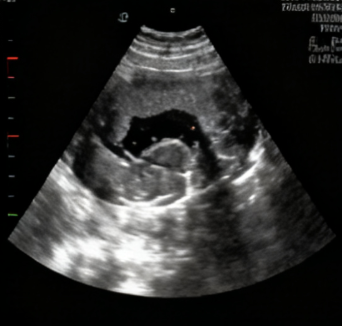
- Ultrasound or CT/MRI: Detects mass and assesses local invasion or metastasis
- Histopathology: Confirms diagnosis (Schiller–Duval bodies pathognomonic)
- Biopsy / surgical specimen: Needed for definitive classification
- Immunohistochemistry: Positive for AFP, cytokeratin, and glypican-3
Treatment Options
- Surgical resection: Primary step — orchiectomy or oophorectomy depending on site
- Chemotherapy: Platinum-based regimens (e.g., BEP: Bleomycin, Etoposide, Cisplatin) highly effective
- Radiation therapy: Rarely used, as tumor is radiosensitive but systemic chemo preferred
- Fertility preservation: Sperm banking or ovarian tissue preservation when possible
- Clinical trials: Ongoing studies on targeted and immunotherapies
Prognosis
- High cure rates in localized or early-stage disease (>85% survival in children)
- Poorer prognosis for metastatic or relapsed cases
- AFP normalization after therapy is a good prognostic sign
- Long-term surveillance essential to detect recurrence or secondary malignancies
Living with this Cancer Type
- Regular follow-up with tumor marker (AFP) testing
- Psychological and fertility counseling
- Physical recovery and hormonal monitoring post-surgery
- Access to survivorship programs and supportive care networks
Prevention & Screening
- No known prevention methods
- Self-examination for testicular masses in adolescent males
- Early medical evaluation for unexplained pelvic or abdominal swelling
- Genetic counseling for families with multiple germ cell tumor cases
FAQs
Q: Is a yolk sac tumor cancerous?
A: Yes. It is a malignant germ cell tumor, though often highly treatable with chemotherapy.
Q: Can it occur outside the gonads?
A: Yes. It can arise in extragonadal sites such as the mediastinum, retroperitoneum, or sacrococcygeal region.
Q: What is the role of AFP testing?
A: AFP (alpha-fetoprotein) is a key diagnostic and monitoring marker. Rising levels may signal recurrence.
Q: Can patients have children after treatment?
A: Many survivors retain fertility, especially with fertility preservation before therapy.
Resources
- National Cancer Institute (NCI) – cancer.gov
- Children’s Oncology Group (COG) – childrensoncologygroup.org
- American Cancer Society (ACS) – cancer.org
- gov – Search “Yolk Sac Tumor” for active studies
Understand Precision Testing
Learn how liquid biopsy and chemo sensitivity testing can personalize your treatment plan.
Make Informed Decisions
Gain knowledge to actively participate in treatment discussions with your healthcare team.
Improve Treatment Outcomes
Discover how precision medicine and metabolic therapies can enhance treatment effectiveness.
Start Your Educational Journey Today
Empower yourself with knowledge about precision metabolic oncology and take an active role in your cancer care journey.
Need More Information?
Our team of oncology experts is here to help you understand your diagnosis and treatment options.