
Rhabdomyosarcoma (Orbital Subtype)
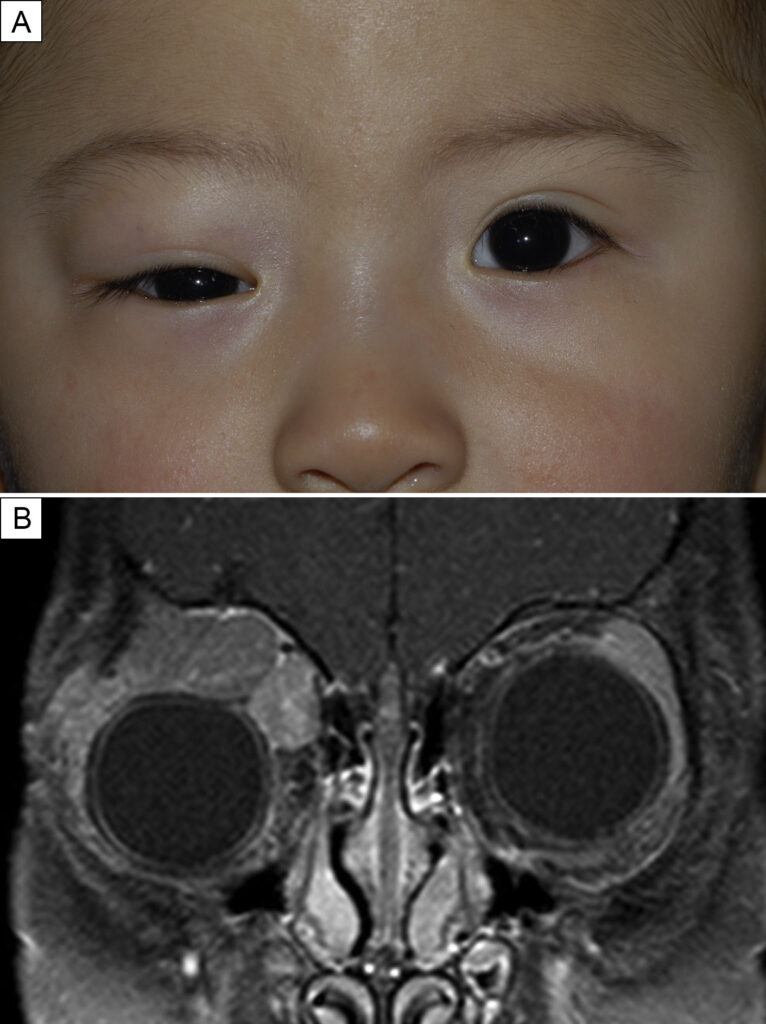
Overview
Orbital rhabdomyosarcoma is a rare but aggressive soft tissue sarcoma that affects the orbit (eye socket), primarily in children under 10 years old. It arises from immature skeletal muscle cells and is the most common primary orbital malignancy in children.
Symptoms
- Rapid-onset eye bulging (proptosis)
- Eyelid swelling or discoloration
- Eye movement restriction or misalignment
- Pain or tenderness around the eye
- Vision changes (in later stages)
Causes & Risk Factors
- Exact cause unknown (sporadic in most cases)
- Rare association with genetic syndromes (e.g., Li-Fraumeni, NF1)
- Slight male predominance
- Mostly affects children under age 10
Diagnosis
- Urgent ophthalmic and pediatric evaluation
- Orbital imaging (MRI or CT scan)
- Biopsy for histological confirmation and subtype classification
- Metastatic workup (bone marrow, lumbar puncture, PET scan)
Treatment Options
- Systemic chemotherapy (standard initial treatment)
- Radiation therapy to preserve eye and control tumor
- Surgery is often limited due to location, but may be used for biopsy or debulking
- Targeted therapy in clinical trial settings
Prognosis
- Favorable if diagnosed early and treated promptly
- 5-year survival rate: 80–90% for localized orbital RMS
- Prognosis depends on tumor size, spread, and histologic subtype (embryonal vs. alveolar)
Living with this Cancer Type
- Regular imaging and oncology follow-up for recurrence monitoring
- Functional and cosmetic rehabilitation (prosthesis or eyelid correction)
- Psychosocial support for child and family
- Monitoring for late effects of treatment (growth, vision, development)
Prevention & Screening
- No known preventive measures
- Early evaluation of unexplained proptosis in children is essential
- Genetic counseling for families with syndromic risk
FAQs
Q: Can orbital rhabdomyosarcoma be cured?
A:Yes, especially when treated early with a combination of chemotherapy and radiation.
Q: Will my child lose vision?
A:Not necessarily—modern treatments aim to preserve both vision and the eye.
Q: Is this cancer hereditary?
A:Most cases are not, but genetic counseling may be considered in rare familial syndromes.
Resources
- American Childhood Cancer Organization (ACCO)
- Children’s Oncology Group
- ClinicalTrials.gov
Understand Precision Testing
Learn how liquid biopsy and chemo sensitivity testing can personalize your treatment plan.
Make Informed Decisions
Gain knowledge to actively participate in treatment discussions with your healthcare team.
Improve Treatment Outcomes
Discover how precision medicine and metabolic therapies can enhance treatment effectiveness.
Start Your Educational Journey Today
Empower yourself with knowledge about precision metabolic oncology and take an active role in your cancer care journey.
Need More Information?
Our team of oncology experts is here to help you understand your diagnosis and treatment options.