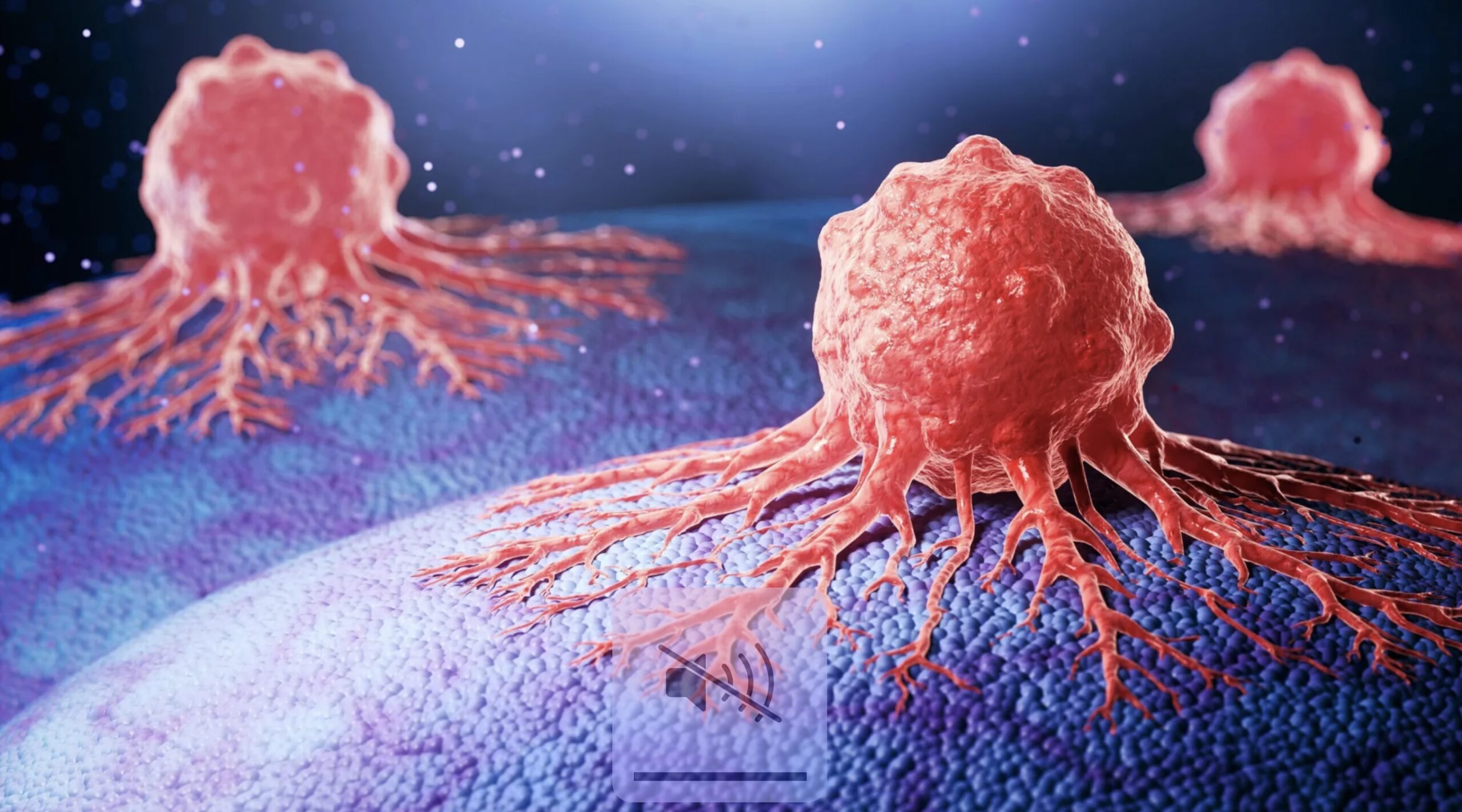
Liquid biopsy continues to play an increasingly important role in precision oncology.
Through cfDNA / ctDNA analysis, doctors may detect cancer-related mutations from a simple blood sample, offering valuable genomic insights in a minimally invasive way.
cfDNA (cell-free DNA) consists of small DNA fragments released into the bloodstream by dying cells — both normal and cancerous. The portion that comes specifically from tumors is known as ctDNA.
Detecting these mutations may help:
• Identify potentially actionable alterations linked to targeted therapies
• Monitor treatment response over time
• Detect resistance-related changes earlier than conventional imaging in some cases
• Support decision-making when tissue biopsy is difficult, risky, or insufficient
• Provide a less invasive way to observe disease behavior and minimal residual disease (MRD)
However, modern cancer biology is complex.
Finding a mutation does not always mean that the gene is actively driving the cancer at that moment. A mutation may exist, but the biological pathway itself may not be strongly expressed or functionally dominant.
This is why researchers and clinicians are increasingly exploring not only the genetic “blueprint” of cancer, but also how the cancer is actively behaving.
Beyond DNA analysis, newer approaches are studying live circulating tumor cells (CTCs) and gene expression patterns through transcriptomic analysis. By examining mRNA expression, clinicians may gain additional insight into:
• Which pathways are currently active
• Whether certain resistance mechanisms may be emerging
• How aggressively the tumor is behaving biologically
• Which signaling pathways appear upregulated or downregulated
This functional information may complement genomic testing and help provide a more complete picture of the disease.
In precision oncology, understanding both the genotype (mutations) and phenotype (active biological behavior) may support more personalized and informed discussions about cancer care.